Mazak quick turn 6T CNC machine

Welcome to Kinetic Engineering

CNC Machining and General Engineering Services in Sydney

A one-stop shop for all your CNC machining and general engineering services needs, Kinetic Engineering ensures innovative, high-quality and durable Australian-made products for its customers. We pride ourselves on the fact that we are committed to providing good old-fashioned engineering solutions based on the needs and preferences of the clients.

Our CNC machining and general engineering services are equipped with a competent mechanical design, precision engineering, fabrication and assembly, overhaul and refurbishment, materials handling, and rail. All CNC machining and general engineering services are completed with adherence to Australian and ISO 9001 quality standards.

cnc machining

Our machines are constantly updated to maintain quality and accuracy and can be utilized either for one-off production or volume production runs. We also use the latest CNC technology and precise manufacturing processes. Kinetic Engineering can produce exceptionally high-quality components at very competitive rates. Our engineers are experts in their field and whether you require a one-off component or repetitive machinery we can bring your engineering concepts to life.

We also provide high quality precision machining services such as turning, milling, tapping, complex machining and more. We utilise CNC machining to manufacture precise customised components and deliver tight tolerances and fine finishes.

As a proudly Australian-owned and family run CNC machining and general engineering services company, Kinetic Engineering has a vision to grow within the industry and produce quality Australian Made products for its customers.

It initially started off as a father and sons business, but the company now is proudly run by two brothers who are dedicated to providing good old fashioned service along with the expertise and skills needed to meet customer’s needs. With a diverse list of local clients, the company is able to supply quality products to many facets of industry from concept to final product.

Indicated below is an overview of our services.

For CNC Machining Services and general engineering, we have:

5 CNC lathes

  • Maximum Capacity – 400mm diameter x 1000mm length
  • Bartec Bar Feeder – Maximum Capacity – 50mm diameter x 4000mm length

5 CNC Milling Machines

X = 1200mm; Y = 600mm; Z = 600mm height with 4th axis rotary tables

We also have an Automatic Band Saw with a capacity of 200mm wide x 150mm high. For programming, we use 3D CAD/CAM capacity. And for fabrication, we have a separate welding shop, for all your MIG welding and fabrication needs. Kinetic Engineering also offers manual machining services such as slotting, boring and keying, screw cutting, milling and turning, cutting services, and drilling and tapping.

We also have the following machines in our workshop namely Automatic Saw – MEP SHARK 332 NC Evo, Machining Centres – YCM XV1020A, Mitseiki CV-1200A and Leadwell V40, Lathe – Mazak Quick Turn 6T, Mazak Quick Turn 8N and Leadwell 20APTM, CNC Lathe – Takisawa TX 3, YCM GT – 250B Geoturning Series lathe, TCM Forklift 700 series 25 and MIG welding.

Contact Us for all your CNC Machining, General Engineering, and Welding and Fabrication needs.

About Us

Kinetic Engineering is a proudly Australian owned and family run CNC machining and general engineering services company that was first established in 1984 with a vision to grow within the industry and produce quality Australian Made products for its customers.

It started off as a father and sons business, the company now is proudly run by two brothers who are dedicated to providing good old fashioned service along with the expertise and skills needed to meet customer’s needs. With a diverse list of local clients, the company is able to supply quality products to many facets of industry from concept to final product.

For more information, you can visit Kinetic Engineering Australia Pty Ltd at 468 Victoria St, WETHERILL PARK NSW 2164 or you may contact us through phone (02) 9153 9911 | or fax us at: (02) 9534 6452. You can also email us at sales@kineticengineeringnsw.com.au

Kinetic Engineering workshop

CNC Machining Services & General Engineering

Kinetic Engineering Pty Ltd prides over its CNC Machining Services, general engineering, welding and fabrication. Below are those services.

CNC Machining and General Engineering Services

5 CNC lathes

  • Maximum Capacity – 400mm diameter x 1000mm length
  • Bartec Bar Feeder – Maximum Capacity – 50mm diameter x 4000mm length

5 CNC Milling Machines

  • X = 1200mm; Y = 600mm; Z = 600mm height with 4th axis rotary tables

We also have an Automatic Band Saw with a capacity of 200mm wide x 150mm high.

For Programming, we use a 3D CAD/CAM capacity.

CNC machining services

Fabrication

We have a separate welding shop, for all your MIG welding and fabrication needs.

Kinetic Engineering Pty Ltd also offers manual machining services such as:

  • Slotting
  • Boring & keying
  • Screw cutting
  • Milling & turning
  • Cutting services
  • Drilling & tapping

We also have the following equipment in our workshop:

  • Automatic Saw – MEP SHARK 332 NC Evo
  • Machining Centre – YCM XV1020A
  • Machining Centre – Mitseiki CV-1200A
  • Machining Centre – Leadwell V40
  • Lathe – Mazak Quick Turn 6T
  • Lathe – Mazak Quick Turn 8N
  • Lathe – Leadwell 20APTM
  • CNC Lathe – Takisawa TX 3
  • YCM GT – 250B Geoturning Series lathe
  • TCM Forklift 700 series 25
  • MIG welding
MIG welding and fabrication

Turning Operations by Kinetic Engineering through Mazak CNC Turning Centres

23 March 2023

Manufacturers all over the world share similar machining operations and processes so they can provide a steady supply of parts and products to a wide array of industries. Some of the industries that take advantage of these operations and processes are automotive, electronics, power, construction, transportation, and aerospace. One machining operation that these industries maximise

Read More

Differences between Manual and Automatic Bandsaws for Metal Fabrication

21 February 2023

One of the most utilised materials in the manufacturing industry today is metal. The said industry takes advantage of metal materials as they are durable and appealing. Some metals can even be recycled and reprocessed, which makes them sustainable in the long run. But to ensure that their properties can be truly beneficial for the

Read More

Key Advantages and Applications of a 5-Axis CNC Machine in Production

07 February 2023

Machining is a vital process that industries should take advantage of if they want to produce high-quality components and products. It is carried out by cutting workpieces into the desired final shape and size through controlled material-removal tools. A lot of material-removal tools can be maximised by industries in machining workpieces. These tools include turning

Read More

Screw Cutting Lathes and Their Significance in Precision Engineering

24 January 2023

The manufacturing industry relies heavily on tools to ensure that it can generate products without any mistakes. It also depends on these things to produce prototypes that they can use to gauge and introduce any possible changes they have to implement and integrate before they can be produced in small to large batches. One process

Read More

How Can Manufacturers Benefit from 3D CAD Modelling in Mechanical Design?

09 January 2023

Manufacturers know the importance of accuracy and precision in carrying out their daily tasks. Without achieving these two things, they can easily have difficulties in providing products to various industries. They can likewise lose their credibility among business owners. The processes they conduct in product development should be picked and considered thoroughly to avoid potential

Read More

The Applications and Uses of MIG Welding

15 December 2022

Different industries use many processes to generate their needed parts and products. One of the processes that they often maximise is welding. Welding is a fabrication process wherein high heat is applied to metals or thermoplastics to join and melt them. Once the parts are melted together, they are cooled to cause fusion. Welds can

Read More

How to Know the Best CNC Machine for Your Application?

01 December 2022

Different industries used to rely on manual machining in manufacturing their needed parts and products. Some of the tools used in carrying out manual machining include drill presses, endmills, grinders, bandsaws, and lathes. To ensure that these tools can produce the needed appearances and dimensions of the workpieces, they should be controlled and operated by

Read More

A Quick Comparison between CNC Lathes and CNC Mills

21 November 2022

Fabrication and machining companies invest in various types of machines so they can provide tons of products to their clients. They must also maximise these machines to ensure they can process products out of varying materials. Most machines used by these companies before have to rely on manual labour before they can move and process

Read More

A List of Materials that Can Take Advantage of CNC Milling

07 November 2022

When machining workpieces, the manufacturing industry can maximise a wide range of tools to complete everything. One of the tools they frequently utilise is the milling machine. A milling machine is often utilised to carry out milling, which is the process of removing materials from workpieces selectively by cutting workpieces from various angles. This machine

Read More

How Can CNC Machining Centres Help Save the Environment?

25 October 2022

Manufacturers used to rely on manual machining to carry out their main processes. Manual machining involves the use of tools in carrying out a wide array of machining processes by hand. Some tools used in manual machining are drills, presses, endmills, grinders, bandsaws, and lathes. These tools can often process metals and plastics. But since

Read More

CNC Milling Machines and Industries that Maximise Them

11 October 2022

Computer numerical control (CNC) machines are automated machines that rely on pre-programmed sequences in executing different movements. The software used for these machines sends out commands that come from the loaded files. Once set, these machines can effectively produce parts without any compromises on their quality. One of the CNC machines often used in the

Read More

The Perks of Manual Machining with Kinetic Engineering

26 September 2022

As time passes, more and more manufacturers are now embracing automated machines since their intended movement has already been determined by specific software. The only thing operators must carry out is to design and test the commands. Once the commands and instructions have been checked and tested, the file can then be loaded on compatible

Read More

4 Industries That Can Take Advantage of CNC Machining

08 September 2022

carry out processes in a shorter time. They can even generate huge numbers of parts and products in one go, leading to higher revenues. One of these advancements is computer numerical control (CNC) machining. CNC machining is a process that allows computer software to send instructions extracted from files to the machines. Before, the tools

Read More

A Quick Overview of Slotting Machines and Their Applications

24 August 2022

Manufacturing companies can only provide for the needs of their clients if they will be using the right set of materials. They should also hire experienced and skilled professionals who can process various types of workpieces. Ultimately, these companies should invest in the right manufacturing machines to make their operations successful. To date, many manufacturing

Read More

The Cycle Time and Cutting Parameters of the Turning Process

08 August 2022

To effectively produce metal parts and products, manufacturers often turn to a wide array of machining processes. One machining process that is popular among them is turning. Turning is a machining process that cuts away unwanted materials from workpieces. The parts and products produced by this process are often used as rotational components of machines,

Read More

5 Qualities of a Reputable CNC Machining Services Company

26 July 2022

When producing a wide range of components and parts, industries would normally turn to computer numerical control (CNC) machining to obtain their needs. One thing that makes CNC machining popular today is it utilises software in controlling and regulating the functions and movement of machining tools. As a result, CNC machining can craft components and

Read More

5 Common Metals Processed by CNC Machines

14 July 2022

The advances in technology have helped many industries become more efficient when it comes to their daily operations. One innovation that they utilise today is computer numerical control (CNC) machining. CNC machining is a modern take on conventional machining. It relies on software to control the movement of machine tools that are intended to cut,

Read More

The Basics of MIG Welding Shielding Gas

28 June 2022

As products become more complex, the general welding process has evolved into various types. One type of welding that fabricators utilise nowadays is metal inert gas (MIG) welding. MIG welding is a welding process wherein an electric arc is formed between a consumable MIG wire electrode and the workpiece material. This electric arc then heats

Read More

Understand the Main Difference between 3-Axis, 4-Axis, and 5-Axis Milling

09 June 2022

For decades, manufacturers have opted for manual machining as part of their operations. By physically controlling the movement and behaviour of the tools, workers can see first-hand the progress of their works. Doing this, however, poses safety risks. Manual machining is also prone to errors and waste. To ensure the safety of workers and minimise

Read More

How does CAD/CAM System Enhance Manufacturing Quality?

27 May 2022

Many technological advances have benefitted a wide array of industries in their daily operations. And one industry that has taken advantage of these advances is the manufacturing industry. A wide variety of parts and products can be produced by manufacturing plants. With the right processes and tools available, they can conveniently produce items that have

Read More

How do Manufacturing Industries Maximise CNC Machines?

10 May 2022

Machines and processes out of technological advancements have helped various industries carry out their operations more effectively and more efficiently. One thing that technological advancements have provided to industries is computer numerical control (CNC) machining. CNC machining is a modern manufacturing method that makes everything simple. It provides machines and tools with a new way

Read More

What Makes Automatic Band Saws Better Than Other Cutting Machines?

27 April 2022

Many manufacturers today take advantage of cutting processes in generating their needed materials. Some cutting processes that they normally conduct are sawing, shaping, drilling, turning, and milling. While these cutting processes may yield varying outcomes, they all grant materials the needed shape and dimensions of the manufacturers. Cutting, after all, removes any unwanted part of

Read More

Primary Features and Applications of CNC Lathe Machines

07 April 2022

Manufacturers use various types of machining tools in generating parts and products out of their intended designs and specifications. One of the tools they use is the lathe. A lathe is a machining tool that can shape workpieces like metal or timber. It primarily works through rotating the workpiece around a fixed cutting tool. As

Read More

Improve Machining Efficiency by Using the Right Machining Centre

28 March 2022

Machining is a process that maximises tools and machines in removing materials from the workpiece. As the materials are removed, the workpiece is expected to gain the required shape and size by industries. Some machining types that are normally carried out by manufacturers are drilling, milling, and turning. What is common about these machining types

Read More

All the Manual Machining Services offered by Kinetic Engineering

08 March 2022

The machining process continues to be popular today since many industries still maximise a wide variety of products. And so, to fulfil the needs of various industries, we at Kinetic Engineering offer machining services that can yield high-quality parts and components. We are a proudly Australian owned and family-run machining and general engineering service company

Read More

All the Benefits and Drawbacks of MIG Welding

24 February 2022

Fabrication is a process wherein different parts are combined to generate finished products. Some of the most common processes of fabrication are cutting, bending, and assembling. Welding is another type of fabrication process that is carried out by many manufacturers. With welding, different parts are joined by melting them together. The melted parts are then

Read More

The Working Principles of Screw Cutting Lathe

09 February 2022

Tons of manufacturing processes are maximised by manufacturers so they can generate different parts and products. One of the processes they typically utilise is thread cutting. Thread cutting is a manufacturing process that generates a screw thread. There are specific conditions where thread cutting can be carried out. These conditions include the need for a

Read More

Main Functions and Configurations of CNC Machining Centres

25 January 2022

A wide array of machining processes can now be maximised by manufacturers that intend to produce and yield a lot of parts and products. Some of these processes include turning, drilling, and milling. In the past, these processes are only conducted manually. Hence, workers must manually operate the tools used for these processes, which can

Read More

Understand the Pros and Cons of CNC Machining for Your Production Needs

06 January 2022

Manufacturers nowadays have a lot of options in generating different types of parts and products. One option that they can utilise is computer numerical control (CNC) machining. CNC machining is a type of machining process that relies on pre-programmed computer software to effectively move machining tools and machines such as lathes, mills, and grinders. Through

Read More

The Essence of Combining Milling and Turning Processes

15 December 2021

Machining is a process wherein materials are cut to ensure that they can obtain the required final size and shape. Through the help of various tools and equipment pieces, parts that are not needed will be removed from the workpieces. Two machining processes that are usually maximised by manufacturers are milling and turning. Milling is

Read More

Most Common Issues with Tapping Operations and Ways to Resolve Them

02 December 2021

Different kinds of machining processes can be maximised by manufacturing businesses, helping them produce parts and components without any issues. One of these processes is tapping. Tapping is a machining process that cuts a thread inside a hole. Once this process has been applied to parts and components, the holes generated can be threaded by

Read More

What are CNC Lathes and How Can They Benefit Businesses?

18 November 2021

The manufacturing industry uses a lot of machining tools in shaping a wide array of materials. What is great about machining tools is that they can execute processes that would yield parts with the desired surface finish and dimensions. Most of their processes involve the removal of excess materials. One of the machining tools that

Read More

Why Should You Choose MIG Welding over TIG Welding?

04 November 2021

Tons of fabrication processes are utilised by manufacturers to ensure that high-quality parts and components can be created. One of the processes that they utilise is welding. Welding is a fabrication process that maximises heat and/or pressure in generating a long-lasting joint between two separate parts and components. Through welding, products can boast a smooth

Read More

A Breakdown of Primary CNC Milling Machine Components

25 October 2021

Many types of machines can be used to ensure processes are carried out effectively. One machine that has been very helpful for manufacturing industries is the milling machine. A milling machine is a machine that can remove materials from a workpiece through a rapidly rotating tool. Once paired with a computer numerical control (CNC) system,

Read More

Top 3 Screw Thread Manufacturing Techniques in CNC

11 October 2021

For parts and products to be held together, manufacturers often maximise screws. Screws feature a threaded shaft so they can be inserted into the parts being connected. Even though nails can already hold items together, screws are much preferred by manufacturers since they can offer more holding power. They could likewise generate a tighter seal

Read More

3 Key Factors to Consider when Conducting Drilling and Tapping Processes

29 September 2021

Parts and components, especially those that are made from metals, undergo a lot of processes before they are distributed to specific industries. Two processes that are often applied to metal parts and components are drilling and tapping. Drilling is the process of creating holes in a part or component, while tapping is the generation of

Read More

Milling vs. Turning: Knowing the Best Option for Your Workpiece

06 August 2021

One thing about the metal forming industry that makes it truly versatile is that it can maximise a lot of machining processes. And as more processes can be automated by computers, the industry can only expect faster improvements over its product generation in the long run. Two processes that are impactful to the metal forming

Read More

5 Main Benefits of Integrating CAD-CAM into the CNC Machining Process

26 July 2021

Processes that involve a wide array of machines are now being automated thanks to the evolution of computer software. With computer numerical control (CNC) machining, tons of factory tools and machinery can now move without the need for manual labour. CNC machining has been very helpful in the removal of materials from workpieces since it

Read More

An Overview of Automatic Band Saw and Its Advantages

08 July 2021

Manufacturers would typically maximise different tools and machines just to cut or alter metals and other materials. Most of the time, these tools can help a workpiece obtain the needed shape, size, and other elements of a particular application. One of these tools is the band saw. Band saws or band saw machines are cutting

Read More

Understanding the Primary Applications of MIG Welding

25 June 2021

One type of welding that is being utilised by industries is metal inert gas (MIG) welding. MIG welding is a type of welding that utilises a consumable electrode in melting and joining metal parts and components. What makes this welding type different from other types of welding is that it is known to be effective

Read More

How to Use CNC Milling Machines Safely

07 June 2021

Computer numerical control (CNC) milling machines are machines that can effectively remove materials from workpieces and generate custom-designed parts with the help of automated controls. Automating the controls and processes of milling machines allows them to come up with products that have precise measurement and form factor. The amount of waste materials is likewise reduced

Read More

Core Components and Uses of a CNC Lathe Machine

26 May 2021

A lathe machine is generally a tool that can remove the undesired materials from a workpiece. During the operations of the lathe machine, the workpiece spins in a spindle as the fixed cutting tool approaches it to slice the unwanted part. With this machine, components with cylindrical surfaces can be produced. It can also be

Read More

Know the Limitations of MIG Welding

10 May 2021

Welding generally is the process of joining two metals together through heating their surfaces. And for these metals to be successfully combined, the temperature of the welding process should reach their melting points. To date, there are many types of welding that professionals can carry out. One of these types is metal inert gas (MIG)

Read More

Various Parameters and Operations of the Turning Process

29 April 2021

Machining is a process where a cutting tool is used to cut a workpiece into its intended final form. Usually, this process entails the removal of small chips of materials to produce the desired product. To date, there are numerous types of machining process that can be conducted and maximised by manufacturers in producing various

Read More

Primary Advantages of CNC Machining over Manual Machining

13 April 2021

For a very long time, manual machining has been utilised by a lot of industries in processing different types of materials. This type of machining entails the control of machines like drill presses, lathes, grinders, and others by hand. Given that these machines must be manually controlled, a lot of operators are required just to

Read More

Most Common Mistakes in Sheet Metal Fabrication

26 March 2021

Sheet metal fabrication often utilises press brakes and other similar tools to turn metal sheets into useable products and structures. Some of the most notable processes that are conducted during sheet metal fabrication include cutting, punching, folding, and assembling. Once processed, sheet metals can be used in a wide array of industries such as automotive,

Read More

CNC Machining Contributions and Benefits for Manufacturers

15 March 2021

Computer numerical control (CNC) machining is a manufacturing process that relies heavily on pre-programmed computer software to control the actions of industrial tools. Many manufacturers utilise this specific process since it can effectively work on different materials such as metals, plastics, woods, glass, and composites. With these materials, the number of parts and products that

Read More

Drilling and Tapping in CNC Machining Operations

25 February 2021

Manufacturing and industrial plants utilise computer numerical control (CNC) machining in controlling different tools and carrying out numerous processes. CNC machining is a process that utilises different computerised controls and machine tools to effectively remove parts of material from a workpiece and subsequently produce a custom-design product. Some materials that can be processed by CNC

Read More

Top Five Advantages of MIG Welding

11 February 2021

Metal inert gas (MIG) welding is a type of arc welding process that can be conducted by any versatile professionals. With MIG welding, a thin wire is often fed from a spool that is situated inside a welding machine, allowing it to be utilised as both an electrode to the welding area and a filler

Read More

Understanding the Turning Process in CNC Machining

28 January 2021

One type of manufacturing process that has been utilised by many industries today is computer numerical control (CNC) machining. This specific process maximises computerised controls and machine tools in removing parts of material from a workpiece and customising the said parts. The basic stages of the CNC machining normally include the designing of the CAD

Read More

Sheet Metal Cutting (Shearing) Processes

15 January 2021

Sheet metals are metals that are created into thin, flat pieces. One property of sheet metals that makes them beneficial for various industries is their durability. Sheet metals are also known for their malleability, efficiency, and affordability. They also come in various thickness, structure, and shapes, which allows them to be useful in a wide

Read More

8 Milling Tools in CNC Machining

15 December 2020

Computer numerical control (CNC) machining is a type of manufacturing process that utilises computer software to carry out the movement of tools and machinery. Milling, which maximises rotary cutters in removing parts of a workpiece, can be done through CNC machining. Through rotating multi-point cutting tools, the milling process can be done easily to various

Read More

Common CNC Machining Design Mistakes that Must Be Avoided

07 December 2020

The integration of computer numerical control (CNC) machines to various industries today has brought them a lot of benefits. First, these machines have constantly provided accurate and high-quality output even if they carry out the same machining processes repeatedly. Additionally, they have brought tremendous improvements over the speed, efficiency, and cost-effectiveness of daily operations. They

Read More

Plasma Cutters in CNC Machining: How Do They Work?

26 November 2020

Many fabricating and manufacturing companies utilise the power and abilities of computer numerical control (CNC) machining. CNC machining is a type of manufacturing process wherein a pre-programmed computer software can dictate and regulate the movement of a wide array of tools and machines. The dependency of CNC machining towards computer software decreases the need for

Read More

Different Functions of CNC Milling Machine Parts and Components

09 November 2020

Computer numerical control (CNC) milling is a machining process that utilises computerised controls and rotating multipoint cutting tools in removing or replacing material from a workpiece. The process can easily produce a customised part or product, which is usually made from metal, plastic, glass, and others. CNC milling is normally done through a CNC milling

Read More

Sheet Metal Forming Processes: Everything You Need to Know

21 October 2020

The main purpose of sheet metal forming is to apply a force to a piece of sheet metal so that its overall geometry and properties change. This force is then responsible for the stretching of the metal beyond its yield strength and subsequently deforming it. The deformation that the metal experiences, however, is not enough

Read More

Understanding the Working Principles of CNC Lathes

12 October 2020

Machining tools that are operated by Computer Numerical Control (CNC) systems have been continuously growing in numbers as technology progresses. CNC systems can effectively provide products and materials their specified specifications and properties through coded programmed instructions without the help and guidance of a manual operator. CNC lathe is one of the machining tools that

Read More

Understanding Milling Process in Machining

29 September 2020

Milling processes, more often nowadays, makes use of computerised controls to operate and process types of machinery to cut and shape materials as desired. It also employs the basic machinery stages for CNC machining specifically - CAD model design, CAD model to CNC program conversion, Milling machine setup, and milling operation execution. Normally, the Milling

Read More

Different Types of Welding Process Explained

14 September 2020

Welding processes is considered as the most reliable and sustainable way of coming up with a construction material of your choosing. Its benefits outweigh its counterparts making it a popular choice in the construction industry. In order to fully maximise its advantages, you must first know the different processes involved in welding. Below are some

Read More

Most Common Issues that Can Cause CNC Machining Failures

28 August 2020

Although Computer Numerical Control (CNC) machines are now popularly utilised due to their efficiency and speed, they have flaws and imperfections that can also result in failures. Similar to any machine ever invented, problems and maintenance needs may arise. As such, there are things you can do to nip these issues in the bud before

Read More

Most Common Metal Fabrication Processes and Applications

12 August 2020

Metal fabrication is the way toward transforming crude metals into pre-made shapes for get together use. For instance, the boards that involve the edge of a vehicle are made through custom metal fabrication processes, which are normally performed at a fabrication office and then sent to an auto get together plant. What are the Most

Read More

Tips on How to Reduce Cost in Metal Fabrication Project

30 July 2020

It is with absolute certainty that one of the main components of any fabrication project is the cost. The material, work, and shipping of these created components to their final destination are for the most part factors in the project investment. Things being what they are, it is important to be aware of how you

Read More

What is a 5 Axis CNC Machine?

14 July 2020

The 5 axis CNC machine offers increasingly intricate and precise cutting abilities. This machine doesn't operate around the normal 3 axes of development: X, Y and Z. Instead it works around 5 unique axes of development which makes it harder for the programming; be that as it may, the kind of work that can be

Read More

CNC Lathe Machines and Its Functions

29 June 2020

CNC lathe machines are considered as the only universal CNC machine because it is the only tool that is able to make the parts needed to make another one of its kind. A CNC lathe machine operates in such a way that the work piece is spun in a spindle while a fixed cutting tool

Read More

An Overview About MIG Welding Process and Services

11 June 2020

Metal Inert Gas (MIG) welding is a type of gas metal arc welding (GMAW) process that utilises a continuous solid wire electrode which is heated and fed into the weld pool from a welding gun. The two base materials are melted together which causes them to join. The welding gun also feeds an inert shielding

Read More

Different Types of Machining Tools Used in Machining Operations

28 May 2020

Machining is manufacturing process that involves removing materials using cutting tools for getting rid of the unwanted materials from some work piece and converting it into the shape you desire. A large piece of stock is used for cutting the work piece. The large stock might be in any shape such as solid bar, flat

Read More

An Overview on the Importance of CNC Machining Services

11 May 2020

CNC machining refers to any process that uses a CNC machine. This could be for routing, milling, drilling, or other types of work that is done with metal, wood or other materials. This is a manufacturing process that uses the automatic opportunity from the computer to create shapes or forms that must be precise. Below

Read More

CNC Milling for Volume Production: High-Precision Machining for Large-Scale Runs

07 March 2025

MIG welding

Kinetic Engineering offers high-precision CNC milling to optimise large-scale production, ensuring efficiency and consistent quality in every component.

CNC milling facilitates unparalleled precision and operational efficiency in high-volume manufacturing, ensuring strict dimensional adherence and structural consistency. Advanced computational controls regulate tool movement, enabling the machining of intricate geometries with micron-level accuracy. Kinetic Engineering integrates CNC machining into its operations to fabricate complex, high-strength components tailored to exacting industry standards.

CNC Milling in Large-Scale Production: Precision Without Limits

CNC milling sustains mass production efficiency through high-speed, multi-axis machining that ensures uniformity in large-scale manufacturing. Dynamic spindle controls and optimised tool paths enhance material removal rates, reducing cycle times while maintaining exacting tolerances. Automated process regulation ensures repeatability, eliminating variability in part dimensions and structural integrity.

Precision engineering methodologies dictate spindle speeds, cutting forces, and thermal regulation, preventing material deformation while maximising throughput. Advanced CAM software facilitates real-time tool path optimisation, synchronising machine movements to enhance efficiency. Industries such as aerospace, automotive, and industrial engineering integrate computerised millingfor the fabrication of load-bearing, high-performance components, reinforcing its indispensable role in scalable production frameworks.

Streamlining CNC Milling Processes for Mass Production

Maximising automated milling efficiency in large-scale production requires integrating real-time monitoring, intelligent automation, and high-precision tooling to maintain consistency across extensive manufacturing runs. Synchronised machining operations, optimised tool paths, and thermal management strategies reduce material stress and enhance component integrity.

1.  Adaptive Machining Strategies: Implementing real-time sensor data analysis for tool wear detection dynamically adjusts cutting parameters, ensuring consistent material removal rates while compensating for thermal expansion and mechanical stress, thereby preserving dimensional accuracy throughout extended production cycles.

2.  Automated Tool Changing Systems: High-speed automatic tool changers eliminate manual intervention by executing seamless transitions between cutting tools, reducing spindle idle time and maintaining optimal machining conditions, which enhances production flow and sustains uninterrupted manufacturing efficiency.

3.  Precision Fixturing Techniques: Utilising advanced modular workholding solutions with multi-axis clamping mechanisms stabilises components against machining forces, minimising vibration-induced deflection and ensuring highly repeatable tolerances across high-speed production runs.

4.  Material Removal Optimisation: Implementing intelligent variable feed rate controls dynamically adjusts cutting speeds based on tool engagement levels, reducing cutter deflection, optimising chip load distribution, and extending tool longevity while maintaining uniform surface finishes.

 5.  Integrated Quality Control Systems: Real-time coordinate measuring systems embedded within machining centres continuously validate part dimensions against predefined engineering tolerances, enabling corrective adjustments during the machining process to eliminate non-conforming components.

 6.  Predictive Maintenance Implementation: AI-powered machine learning algorithms analyse operational data, including spindle load fluctuations and thermal drift patterns, to predict mechanical wear, schedule preemptive maintenance interventions, and prevent unplanned downtime that could disrupt high-volume production schedules.

CNC milling remains an essential process for ensuring exceptional precision and operational efficiency in large-scale manufacturing. Kinetic Engineering specialises in delivering high-precision CNC machining solutions, adhering to rigorous industry standards while maintaining consistency in quality and dimensional integrity. Optimise large-scale production with high-precision CNC milling by engaging with us for customised, high-performance machining solutions.

Optimised by: Netwizard SEO

Back to Blog

CNC Machining Centre in Sydney: Optimising Volume Production with Ease

25 February 2025

CNC Machining Centre

Get reliable CNC machining centre services from Kinetic Engineering, offering precise, high-quality, Australian-made components for your business.

CNC machining centre services have transformed modern manufacturing by streamlining production and delivering unmatched precision. These advanced systems allow manufacturers to achieve high-volume output while maintaining consistent quality across all products. Evolving industry demands are met with CNC machining centres, offering flexible solutions that balance efficiency with performance.

Simplifying High-Volume Manufacturing with CNC Technology

The integration of advanced CNC machining centres into high-volume manufacturing streamlines complex production processes. Automation facilitates seamless scalability, enabling manufacturers to adapt efficiently to fluctuating demands without compromising output quality. Every machining phase undergoes meticulous programming, which enhances operational efficiency while reducing material waste.

Industries benefit from the adaptability of CNC technology, as it accommodates diverse production needs with exceptional precision. Advanced programming capabilities enable manufacturers to replicate intricate designs consistently, regardless of order size. This approach not only maintains production accuracy but also optimises the manufacturing timeline, ensuring timely delivery for large-scale projects.

Cutting-Edge Features of CNC Machining Centres for Modern Manufacturing

High-volume manufacturing demands precision, adaptability, and consistency, all of which are met through advanced CNC machining centres. These machines offer the flexibility to scale production as needed, ensuring each order, regardless of size, is completed with utmost accuracy. Equipped with automated systems and real-time monitoring, CNC centres maintain peak performance over long production runs, effectively minimising downtime and maintaining high-quality output.

The following advanced CNC machining centres demonstrate exceptional capabilities for simplifying high-volume manufacturing:

•  YCM XV1020A Vertical Machining Centre: The YCM XV1020A incorporates advanced features designed to enhance modern manufacturing, such as high-precision helical springs that ensure optimal dynamic balance and reduce vibration. Its lubrication system, which includes grease lubrication for the 12,000 rpm spindle and an optional oil-air lubrication system for the 12,000/15,000 rpm spindles, supports high performance during demanding tasks. FEM analysis optimizes mass distribution and rib construction for improved stability during heavy-duty cutting, while the optional spindle cooling system effectively manages heat to prevent thermal deformation and maintain accuracy.

•  Mitseiki CV-1200A Vertical Machining Centre: This machine is equipped with a robust arm-type ATC, high-speed linear guideways for precision, and a feed rate of up to 24m/min in the X/Y axis. The inclusion of a ball-bar measurement and parameter tuning system guarantees dynamic accuracy, while the versatility in Z-axis guideway options accommodates a wide range of cutting conditions. Its heavy-duty design and exceptional rigidity make it ideal for high-precision, high-volume production runs.

•  Leadwell V40 Vertical Machining Centre: Engineered for high-performance operations, the V40 features 4- and 5-axis rotary tables, increasing productivity and versatility by enabling more complex machining in a single setup. The machine’s preloaded double-nut ball screws and high-quality linear guideways ensure consistent precision, while the optional high-pressure coolant system improves tool life and cutting efficiency. Its heavy-duty spindle and reliable bearings make it suitable for intensive cutting applications.

Renowned for precision and reliability, Kinetic Engineering is an Australian-owned and family-operated business delivering high-quality CNC machining and general engineering services. Dedicated to meeting client needs, the company integrates innovation to produce durable, industry-leading solutions. Harness the precision of our CNC machining capabilities to deliver tailored, high-performance solutions for your production needs.

Related blog: CNC Machining: Shape the Future of Manufacturing with Machining Centres

Optimised by: Netwizard SEO

Back to Blog

Custom 3D CAD/CAM Programming Solutions for CNC Manufacturing

11 February 2025

Custom 3D CAD/CAM Programming

Kinetic Engineering offers custom 3D CAD/CAM programming solutions for CNC manufacturing and enhancing precision for complex machining tasks.

Custom 3D CAD/CAM programming enhances CNC manufacturing by providing precise toolpath generation for complex machining tasks. This programming method allows manufacturers to optimise operations, reduce waste, and improve product quality. Implementing custom 3D CAD/CAM design ensures high-precision results, making it an essential tool for modern CNC machining processes.

Leveraging Custom 3D CAD/CAM Programming to Enhance CNC Toolpath Generation

Custom 3D CAD/CAM programming enhances the generation of CNC toolpaths, transforming complex designs into precise and efficient machining instructions. The software allows manufacturers to program toolpaths that optimise movement, reducing cycle time and eliminating unnecessary cuts. This leads to faster and more precise production, which helps organisations increase throughput and streamline operations.

This precision in toolpath generation is crucial for reducing material waste and improving overall machining efficiency. Custom programming provides manufacturers with a deeper understanding of machine capabilities and design intricacies, enabling them to execute designs more precisely while meeting tight tolerances. The advantages include:

•  Efficient toolpath planning: Customised programming reduces unnecessary movements, maximising machining speed.

•  Material-saving capabilities: Programming optimises cutting paths, ensuring minimal material waste during production.

•  Enhanced cutting speed: Improved programming increases cutting speeds while maintaining machining precision.

•  Complex shape generation: Custom programming enables precise machining of intricate shapes and designs.

•  Precision in multi-axis machining: Programming ensures accuracy during multi-axis machining, necessary for tight-tolerance parts.

•  Flexibility for unique project needs: Programming accommodates the specific requirements of each project, whether prototyping or large-scale manufacturing.

Custom 3D CAD/CAM Programming for Superior CNC Machining Accuracy

Custom 3D CAD/CAM programming is fundamental to achieving superior CNC machining accuracy, especially in sectors that demand high-precision components. The precision offered by custom programming guarantees that every component satisfies the highest standards, whether it is used in the manufacturing of medical devices, automobiles, or aircraft. The ability to fine-tune machining operations reduces errors, ensures that tolerances are maintained, and enhances the overall functionality of the final product.

In industries where even the slightest deviation can lead to costly errors, precision is a non-negotiable requirement. Custom 3D CAD/CAM programming addresses this need by refining every step of the machining process, from tool selection to path optimisation, guaranteeing that each component is manufactured to specification. Applications include:

1. Aerospace: Precision programming enables the production of aerospace components that meet rigorous industry standards.

2.  Automotive: Programming optimises the production of complex automotive parts, ensuring exact fit and function.

3.  Medical devices: Custom programming guarantees accuracy in the manufacturing of medical components, ensuring safety and reliability.

4.  Electronics: 3D CAD/CAM programming ensures precise machining of intricate electronic parts with high reliability.

5.  Defence: The method ensures precision in machining critical defence components, meeting stringent operational standards.

Kinetic Engineering, a proud Australian-owned and family-operated company, has been a leader in CNC machining and general engineering services since 1984. Known for producing high-quality, Australian-made products, we continue to set industry standards with our commitment to innovation and quality craftsmanship. Optimise your production process and reduce waste with Kinetic Engineering’s precision-driven CNC programming services.

Optimised by: Netwizard SEO

Back to Blog

Modern Techniques in Screw Cutting Services for Complex Designs

24 January 2025

Screw cutting

Kinetic Engineering offers advanced screw cutting services in Sydney, using modern techniques for complex designs. Ensure quality with our expert solutions.

At Kinetic Engineering, we specialise in providing high-quality screw cutting services in Sydney. With the latest technologies and expertise, we can handle even the most complex designs with precision, ensuring reliable and efficient results for your projects.

What are Screw Cutting Services?

Screw cutting is a machining process used to create threads on a metal or plastic workpiece, forming the helical grooves that allow screws to be inserted into corresponding threaded holes or other screw components. This process is crucial for producing screws, bolts, and other fasteners that are used in a wide range of industries, including construction, automotive, aerospace, and manufacturing.

The threads on a screw are important for providing grip, ensuring that the screw can be securely fastened, and enabling the screw to hold components together. Screw cutting can be done using several methods, depending on the complexity, material, and production volume required.

Modern Techniques for Complex Designs

In today’s manufacturing and engineering industries, the demand for precision and complexity in screw cutting services has reached new heights. As industries evolve and designs become more intricate, manufacturers are continually pushing the boundaries of screw cutting techniques.

Modern technology, coupled with innovative processes, has revolutionised screw cutting, offering enhanced precision, faster turnaround times, and the ability to create complex screw designs that meet specific application requirements.

Some of the cutting-edge techniques used in screw cutting services today are as follows:

•  Computer Numerical Control (CNC) Machining: CNC machining has become the backbone of modern screw cutting. This technology utilises computer programs to control the movement of cutting tools, which ensures that screws are produced with unparalleled accuracy. CNC machines allow manufacturers to design and cut screws with extremely tight tolerances, something that is often required for complex and intricate designs. CNC machines are also programmable to create multi-stage processes, which is particularly beneficial when dealing with screws that need to be machined in multiple steps, such as multi-threaded screws or screws with specific head designs.

•  Laser Cutting and Laser Engraving: Laser cutting has emerged as a highly effective method for creating complex screw designs, especially when dealing with fine or delicate materials. This technique uses a focused laser beam to cut and engrave metal, allowing for intricate screw head designs, such as those required in the aerospace and medical fields. Laser engraving can also be used for adding identification markings or serial numbers to screws, which is particularly important in industries where traceability and compliance with regulatory standards are critical.

•  Thread Rolling: Thread rolling is a modern cold-working process that forms threads on a screw by applying pressure to the workpiece between two rotating dies. This technique results in high-strength threads that are often more durable than those cut by traditional methods. Thread rolling is particularly useful for creating screws that need to withstand high levels of stress and wear, such as in automotive or industrial machinery applications. In addition to strength, thread rolling produces a smooth surface finish, which reduces the risk of friction and wear in threaded components. This makes it a preferred method when cutting screws with complex threads.

For companies looking to produce screws with high precision, strength, and complex geometries, embracing these modern screw cutting methods is essential. Partner with Kinetic Engineering today so we can help push the boundaries of what’s possible in screw cutting and manufacturing.

Optimised by: Netwizard SEO

Back to Blog

Metal Fabrication with YCM GT: The Preferred Choice for Advanced Metalworking

09 January 2025

Metal Fabrication

Metal fabrication with YCM GT by Kinetic Engineering in Sydney delivers precision and efficiency, making it the preferred choice for advanced metalworking.

When it comes to advanced metal fabrication in Sydney, Kinetic Engineering sets the standard with cutting-edge YCM GT technology. Known for its precision, durability, and efficiency, the YCM GT series is the preferred choice for high-performance metalworking projects. Whether you’re in construction, manufacturing, or custom design, our expertise ensures top-quality results tailored to your needs.

Metal Fabrication Process with YCM GT

Metal fabrication involves transforming raw metal materials into finished components or structures. This process includes cutting, bending, machining, welding, and assembling metal parts to produce items ranging from structural components to intricate machine parts. The right equipment is crucial for achieving precision, efficiency, and consistency in every fabrication project.

One great tool in carrying out metal fabrication is the YCM GT.

Yeong Chin Machinery Co., Ltd. (YCM) is a Taiwanese company known for producing high-quality CNC (Computer Numerical Control) machines for a range of industrial applications. Their GT machines are part of a specialised product line designed for advanced machining capabilities. These machines cater to industries like aerospace, automotive, precision engineering, and die and mould manufacturing.

Key Features of YCM GT Machines

Some notable features of YCM GT machines are as follows:

•  High Precision: GT machines are made for precision machining, ensuring minimal deviation and achieving exacting tolerances. This is ideal for industries requiring intricate designs and fine details.

•  Robust Design: Constructed with rigid machine bases and high-grade materials, GT machines are built to minimise vibrations and provide stability during heavy-duty operations.

•  High-Speed Performance: Many GT models are equipped with high-speed spindles and rapid tool-changing systems to optimise production efficiency, significantly reducing cycle times.

•  Advanced CNC Controls: YCM GT machines often feature advanced control systems, offering user-friendly interfaces and precise programming capabilities.

•  Multi-Axis Capabilities: These machines are designed to handle complex machining tasks with 3, 4, or even 5-axis configurations, enabling intricate component fabrication in one setup.

•  Customisation Options: YCM offers tailored solutions with its GT series, allowing businesses to configure machines based on their specific production requirements, such as special tooling, fixtures, or software integrations.

YCM GT for Advanced Metalworking

There are a couple of reasons why advanced metalworking is best done with YCM GT.

•  Precision Engineering: YCM GT machines are designed to deliver unparalleled accuracy, making them ideal for industries where precision is non-negotiable. With advanced CNC technology, YCM GT machines ensure that every cut, bend, or weld is executed with exacting standards.

•  Robust Build: Australian industries often require equipment that can handle heavy workloads and harsh operating conditions. YCM GT machines are built with robust materials and cutting-edge design, ensuring durability and reliability even under continuous operation.

•  Speed Meets Efficiency: In metal fabrication, time is money. YCM GT machines are equipped with high-speed spindles, efficient tool changers, and optimised control systems that significantly reduce production times. This allows manufacturers to meet tight deadlines without sacrificing quality.

If you need help with advanced metalworking, contact Kinetic Engineering today. We capitalise on YCM GT machines and other high-quality machines to carry out metal fabrication precisely and optimally.

Optimised by: Netwizard SEO

Back to Blog

Milling and Turning Services: How They Improve Product Quality [2025]

09 December 2024

cnc milling services

Milling and turning services by Kinetic Engineering in Sydney boost product quality, precision, and efficiency, ensuring top-tier manufacturing results.

When it comes to manufacturing, achieving high-quality products is essential. Kinetic Engineering, a leader in milling and turning services based in Sydney offers advanced machining solutions that enhance precision, consistency, and efficiency.

What are Milling and Turning Services?

Milling and turning services are key components of precision machining used to manufacture parts and components with high accuracy and detail. These processes are widely utilised in various industries such as automotive, aerospace, medical, and manufacturing to produce custom parts from materials like metals, plastics, and composites.

•  Milling: Milling is a machining process that involves the use of rotary cutters to remove material from a workpiece. The milling machine rotates the cutting tool at high speeds, and the workpiece is either held stationary or moved in different directions to shape the material.

•  Turning: Turning is another machining process where a cutting tool removes material from a rotating workpiece, typically on a lathe. This process is primarily used to create cylindrical parts by shaping the outside diameter, boring holes, threading, and producing tapered surfaces.

Both milling and turning offer tight tolerances, essential for producing parts that meet strict specifications. They are also capable of machining a wide range of materials including metals (like steel, aluminium, brass), plastics, and composites. They are likewise suitable for both prototyping and large-scale production, reducing costs and lead times. And when you maximise these processes, you can easily produce highly customised parts tailored to your specific requirements.

Boosting and Improving Product Quality

Milling and turning services are integral to modern manufacturing, contributing significantly to the quality of finished products. These precision machining techniques enhance the overall product quality by ensuring accuracy, durability, and consistency.

Here’s how they achieve these benefits:

•  Material Integrity and Durability: These machining processes can remove material uniformly, which reduces stress on the part and maintains its structural integrity. They can then machine a wide range of materials. This versatility means manufacturers can choose the best material for their product’s performance requirements.

•  Enhanced Precision and Accuracy: Milling and turning machines can achieve extremely tight tolerances, often within microns. This level of precision ensures that parts fit together perfectly, reducing the likelihood of assembly issues and mechanical failures. They can likewise be controlled by CNC technology, which allows for automated, repeatable operations. This reduces human error and guarantees high precision in every part, improving overall product quality.

•  Superior Surface Finish: Milling and turning can achieve smooth, high-quality surface finishes, which are essential for both the functionality and aesthetics of the product. A smoother surface reduces friction and wear, which can enhance the longevity and performance of mechanical parts. With advanced milling and turning techniques, parts often require minimal finishing work, saving time and improving the consistency of the surface quality.

Milling and turning services can enhance product quality across various industries by achieving high precision, superior finishes, and consistent results, ultimately leading to products that are more reliable, durable, and efficient.

Contact Kinetic Engineering if you need milling and turning services from professionals in Sydney.

Optimised by: Netwizard SEO

Back to Blog

CNC Machining with Bartec Bar Feeder: Optimising Production Efficiency

06 December 2024

CNC Machining

CNC machining with Kinetic Engineering through Bartec Bar Feeder boosts production efficiency. Automate bar feeding to ensure high precision and reduce waste.

Using a Bartec Bar Feeder for the CNC machining process offers unmatched efficiency for Australian manufacturers, automating bar feeding to improve precision, speed, and productivity. Whether producing automotive parts, aerospace components, or industrial fittings, the Bartec Bar Feeder enhances production by providing consistent bar alignment and continuous operation.

Optimising Production Efficiency with CNC Machining

Computer Numerical Control or CNC machining optimises production efficiency by automating complex manufacturing processes with high precision, consistency, and speed.

Here are some ways CNC machining enhances production efficiency:

•  Precision and Consistency: CNC machines operate with extreme precision, often within micrometre tolerances, reducing errors compared to manual machining. This ensures that every part is produced to exact specifications, minimising waste and the need for rework.

•  High Repeatability: Once programmed, CNC machines can produce identical parts continuously without deviation, making them ideal for mass production. The repeatability of CNC machining streamlines production runs, guaranteeing consistent quality across large volumes.

•  Reduced Lead Times: CNC machines can handle various materials and complex designs without extensive reconfiguration between tasks, shortening setup and changeover times. Their adaptability allows parts to be quickly switched out to meet changing production demands.

•  Labour Efficiency: Since CNC machining is automated, operators don’t need to oversee every cut and adjustment, freeing up labour for other critical tasks and reducing the number of skilled workers required per machine.

•  Reduced Waste and Lower Material Costs: CNC machining uses computer-optimised paths and operations to minimise raw material waste. This precision reduces the cost of raw materials, maximising yield from each piece of stock.

Bartec Bar Feeder: Working Principles and Applications

One device that can be used for CNC machining is the Bartec Bar Feeder.

It is a high-precision automatic device used to feed long bars of material into CNC lathes and other machining centres, streamlining the production process.

The Bartec Bar Feeder holds multiple bars in a storage tray or magazine. Bars are automatically loaded into the guiding channel and aligned accurately with the lathe’s spindle. The feeder then uses a servo-driven pusher mechanism to advance each bar into the lathe’s spindle. The pusher moves the bar at a controlled rate, allowing precise material positioning and feeding length as specified.

Subsequently, a guiding channel keeps the bar stable while it rotates. This stability is essential for high-speed operations and prevents damage to the bar and machining equipment.

The feeder likewise integrates sensors that monitor bar position and detect when the bar reaches the end. When the bar depletes, the feeder ejects the remnant and loads the next bar automatically.

The Bartec Bar Feeder can be useful in many applications.

•  Automotive: The Bartec Bar Feeder can be maximised in manufacturing shafts, gears, and other rotational parts in high volumes, meeting strict tolerances and production timelines required by the automotive industry.

•  Aerospace: For aerospace parts like engine components and landing gear parts, which often require precise machining of long metal bars, the Bartec feeder provides consistent, vibration-free operation and ensures the high precision necessary in aerospace manufacturing.

•  Mass Production: For producing bolts, nuts, and fittings, the Bartec feeder also enables high-speed feeding and continuous production, making it suitable for large-volume orders where uniformity is critical.

For your CNC machining needs, feel free to contact Kinetic Engineering. We possess Bartec Bar Feeders and other essential equipment pieces that can streamline CNC machining processes so you can meet project requirements and needs.

Optimised by: Netwizard SEO

Back to Blog

General Engineering Sydney: Automatic Band Saws and Metal Fabrication

27 November 2024

General Engineering

Kinetic Engineering in Sydney uses automatic band saws for general engineering to streamline metal fabrication and boost precision, speed, and efficiency.

In metal fabrication, precision and efficiency are essential for delivering high-quality products. General engineering with automatic band saws offers a solution that significantly improves cutting accuracy and reduces production time.

Generally, these machines are designed to handle complex cuts with minimal manual intervention, allowing metal fabricators to optimise their processes and improve overall productivity. If you are carrying out metal fabrication projects, you must integrate automatic band saws into your operations to effectively streamline workflows and improve project outcomes.

General Engineering for Metal Fabrication

General engineering for metal fabrication involves the process of designing, shaping, and assembling metal parts and structures for various industries, such as construction, automotive, and manufacturing.

It includes cutting, welding, forming, and machining metals to create precise components and machinery. This type of engineering focuses on ensuring that metal products meet specific design requirements, tolerances, and standards for strength, durability, and function.

General engineering also involves the use of modern technologies, such as CAD/CAM systems, to optimise metal fabrication processes and improve productivity and accuracy.

The Working Principles of Automatic Band Saws

Automatic band saws are precision cutting tools designed to efficiently cut materials like metal, wood, or plastic. They feature a continuous loop of toothed blades driven by motorised pulleys, which move the blade through the material.

These machines are equipped with automatic feeding systems, which allow the material to be fed to the blade without manual intervention. Once programmed, the saw operates autonomously, making accurate cuts repeatedly.

Automatic band saws are ideal for high-volume production environments, ensuring consistent cuts with minimal human supervision. They save time and enhance productivity in industrial applications.

Metal Fabrication with Automatic Band Saws

Automatic band saws are highly beneficial for metal fabrication due to the following reasons:

1. Precision Cutting: Automatic band saws offer enhanced accuracy, providing clean, precise cuts. Small errors in metal fabrication often lead to wasted materials or defective parts. The precision of these tools, fortunately, can create intricate and uniform cuts for projects requiring high tolerances.

2. Increased Efficiency: With automation, the saw can operate continuously without requiring human intervention, which speeds up the cutting process. This maximises productivity in high-volume production environments, ensuring faster turnaround times without sacrificing quality.

3. Consistency in Cuts: These saws are designed for repeatable performance. The automation ensures each cut is consistent, reducing the likelihood of errors over long production runs. Their uniformity is critical when producing parts that must fit together perfectly in assembly.

4. Versatility: Automatic band saws can easily cut through a wide variety of metals, including steel, aluminium, and stainless steel. This flexibility is essential in metal fabrication, allowing fabricators to handle different types of materials without needing multiple cutting tools.

5. Programmability: Many modern automatic band saws come with programmable features, allowing operators to set cutting angles, speeds, and pressures to match the specific requirements of each project. The flexibility of these tools helps the saw adapt to varying metal fabrication needs.

If you want your metal parts to be fabricated optimally with automatic band saws, contact us at Kinetic Engineering. We are a proudly Australian-owned and family-run CNC machining and general engineering services company that produces quality Australian-made products for its customers.

Optimised by: Netwizard SEO

Back to Blog

MIG Welding and CNC Machining: A Perfect Blend for Complex Engineering Tasks

13 November 2024

MIG welding

MIG Welding & CNC Machining at Kinetic Engineering Sydney: Delivering precision and durability for complex engineering tasks. High-quality, reliable solutions.

MIG Welding and CNC machining represent a powerful combination in modern engineering, driving efficiency and precision in complex manufacturing tasks. By integrating the speed and versatility of MIG welding with the accuracy of CNC machining, manufacturers can create high-quality components that meet demanding specifications. This perfect blend not only enhances production capabilities but also ensures the durability and integrity of finished products across various industries.

The Contribution of MIG Welding in Engineering

MIG welding is a widely used welding process that employs a continuous wire feed as an electrode. This technique is particularly advantageous in producing strong, clean welds with minimal post-welding work. The process is suitable for a variety of metals, including stainless steel, aluminium, and mild steel, making it ideal for diverse applications in the engineering sector.

One of the main advantages of MIG welding is its speed. The continuous wire feed enables faster welding speeds compared to traditional welding methods. This rapid process is essential in high-volume production environments where time efficiency directly impacts cost-effectiveness. Additionally, the MIG welding process produces less spatter, reducing the need for extensive cleanup after welding.

The Role of CNC Machining

CNC machining has revolutionised the manufacturing sector by automating the precision machining of parts. By using computerised controls, CNC machines can perform a variety of tasks, including drilling, milling, and turning, with remarkable accuracy. This technology eliminates human error and significantly reduces production times, making it a staple in industries such as aerospace, automotive, and medical device manufacturing.

CNC machining is particularly effective for creating intricate components that require tight tolerances and complex geometries. The ability to produce parts in large quantities while maintaining consistent quality is a significant advantage of CNC technology.

How CNC Machining Enhances MIG Welding

CNC machining involves the use of computer-controlled machines to fabricate parts with high precision. By integrating CNC machining with MIG welding, manufacturers can create intricate designs and complex geometries that were previously difficult to achieve with conventional methods. The combination of these technologies streamlines the manufacturing process, as components can be precisely machined and then welded in one continuous workflow.

This integration offers numerous benefits, including:

•  Improved Precision: CNC machines ensure that components are manufactured to exact specifications, minimising errors and ensuring quality.

•  Complex Geometries: The combination allows for the creation of complex shapes and configurations that meet the specific requirements of various engineering tasks.

•  Time Efficiency: By reducing the number of steps in the production process, manufacturers can produce parts more quickly, resulting in shorter lead times.

•  Material Versatility: The ability to work with different materials and thicknesses expands the range of applications for both MIG welding and CNC machining.

•  Consistent Quality: Automated processes in both CNC machining and MIG welding ensure consistent quality across all produced parts.

The combination of MIG welding and CNC machining offers a comprehensive solution for complex engineering tasks. As industries continue to push the boundaries of innovation, these technologies will play a pivotal role in meeting the demands of modern engineering.

Kinetic Engineering is a leading provider of MIG welding and CNC machining services in Sydney. If you are looking for a company that can help you with your MIG welding or CNC machining needs, contact us.

Optimised by: Netwizard SEO

Back to Blog

Precision Tapping Services: How to Achieve Consistent Results in Complex Projects

24 October 2024

Precision Tapping Services

Precision tapping services can enhance the consistency and accuracy of complex projects. Learn tips and techniques to achieve outstanding results.

Precision tapping services are integral to achieving accuracy and consistency in complex projects. By ensuring that internal threads are perfectly aligned and dimensioned, these services enhance the overall quality and functionality of components. Mastering the techniques and considerations involved in precision tapping is crucial for delivering reliable results in any intricate task.

Precision Tapping Overview

Precision tapping involves creating accurate internal threads in a material using a tapping tool. This process is essential for ensuring that components fit together seamlessly and function as intended. In complex projects, where every detail counts, precision tapping ensures that the threads are perfectly aligned and of the correct dimensions, contributing to the overall quality and reliability of the final product.

How to Achieve Consistent Results in Complex Projects

When working with precision tapping services, achieving consistent results in complex projects involves several key practices:

•  Thorough Planning and Preparation: Clearly outline the project’s requirements, objectives, and constraints. Conduct a comprehensive assessment of the site to understand environmental factors and existing conditions. Choose tapping tools and machinery suitable for the material and complexity of the project.

•  Use High-Quality Tools and Materials: Use precision tapping tools that are known for accuracy and durability. Select taps made from high-grade materials to ensure they perform consistently.

•  Implement Rigorous Quality Control: Ensure that all equipment is regularly calibrated and maintained. Frequently verify that all tapped holes meet the required tolerances and specifications.

•  Follow Standardised Procedures: Develop and adhere to detailed SOPs for all tapping operations. Train your team to use consistent techniques and methods to reduce variability.

•  Monitor and Adjust During Operation: Use monitoring tools to track the performance of the tapping process in real time. Be prepared to adjust as needed based on monitoring feedback to maintain consistency.

•  Documentation and Review: Keep detailed records of each tapping operation, including machine settings, material types, and any issues encountered. Regularly review these records to identify patterns and areas for improvement.

•  Staff Training and Development: Ensure that your team is well-trained and up-to-date with the latest techniques and technologies in precision tapping. Periodically assess staff skills and provide additional training if necessary.

Tips for Optimal Precision Tapping

To maximise the effectiveness of precision tapping services, consider implementing the following best practices. These tips will help optimise performance, ensure the longevity of your tools, and maintain the highest standards of accuracy and consistency in your tapping operations.

•  Use Lubricants: Applying the right lubricant reduces friction and heat during tapping, resulting in smoother operations and prolonging the life of your tools. This not only improves thread quality but also enhances overall efficiency.

•  Maintain Clean Workspaces: Keeping your work environment clean prevents contamination and ensures that tapping tools and materials stay in top condition. A tidy workspace contributes to more accurate and reliable results.

•  Train Operators: Ensuring that operators are well-trained in precision tapping techniques allows them to execute tasks with greater accuracy and efficiency. Knowledgeable operators are crucial for maintaining high standards in complex projects.

Kinetic Engineering delivers exceptional precision tapping services that meet the highest standards, supporting you in achieving your project goals with confidence. For reliable and precise tapping solutions, trust Kinetic Engineering to deliver consistent and exceptional results.

Optimised by: Netwizard SEO

Back to Blog

Precision Sheet Metal Fabrication: Enhancing Product Quality and Performance

08 October 2024

Precision Sheet Metal Fabrication

Precision sheet metal fabrication elevates product quality and performance. Learn about its benefits, processes, and applications in various industries.

Precision sheet metal fabrication is an essential technique in modern manufacturing, crucial for producing high-quality components that meet precise specifications. This method involves cutting, bending, and assembling metal sheets into detailed components used across a wide range of industries. The emphasis on precision ensures that every part meets stringent performance and quality standards, making it a valuable process for businesses aiming for excellence.

The Process of Precision Sheet Metal Fabrication

Precision sheet metal fabrication refers to the meticulous process of shaping metal sheets into complex components with high accuracy. This fabrication technique uses advanced machinery and technology to achieve exact dimensions and fine tolerances, ensuring that every part fits perfectly into its designated application. The process typically includes several stages:

•  Design and Engineering: The initial phase involves creating detailed design specifications using Computer-Aided Design (CAD) software. These designs guide the fabrication process, ensuring that every aspect of the component meets the required standards.

•  Material Selection: Choosing the right metal is crucial. Common materials include aluminium, stainless steel, and carbon steel, each offering specific properties suited to different applications. The selection process considers factors like strength, corrosion resistance, and machinability.

•  Cutting and Shearing: Precision cutting techniques, such as laser cutting, waterjet cutting, and CNC punching, are employed to shape the metal sheets according to the design specifications. These methods ensure clean, accurate cuts with minimal material wastage.

•  Bending and Forming: Once the metal sheets are cut, they undergo bending and forming to achieve the desired shape. Techniques such as CNC bending and hydraulic pressing are used to create complex geometries while maintaining precise angles and dimensions.

•  Assembly and Welding: In this stage, individual components are assembled and welded together to form the final product. Techniques like MIG welding, TIG welding, and spot welding are used to ensure strong, reliable joints.

Enhancing Product Quality and Performance 

Precision sheet metal fabrication plays a crucial role in ensuring the quality and performance of a wide range of products. Here’s how precision sheet metal fabrication enhances product quality and performance:

•  Superior Accuracy and Consistency: Precision sheet metal fabrication, using advanced CNC machines, ensures each component meets exact specifications, reducing errors and enhancing overall product reliability.

•  Improved Durability: High-quality materials and precision techniques result in components that resist corrosion and wear, crucial for longevity in harsh environments.

•  Enhanced Aesthetics: Intricate designs and finishes achieved through precision fabrication enhance the visual appeal of products, balancing aesthetics with functionality.

•  Greater Design Flexibility: Modern fabrication techniques enable the creation of complex geometries and custom shapes, allowing for innovative product designs and tailored solutions.

•  Increased Reliability: Components fabricated to exact standards exhibit fewer defects and failures, providing greater confidence in the product’s performance and durability.

•  Customisation and Prototyping: Precision fabrication supports the rapid creation of custom components and prototypes, accelerating development and enabling the swift introduction of new products.

Kinetic Engineering leverages this technique to deliver high-quality, custom components that meet the highest standards of performance and durability. By employing advanced technology and meticulous processes, we enhance overall quality and maintain a competitive edge in various industries.

Optimised by: Netwizard SEO

Back to Blog

Precision Machining Services: Achieving Tight Tolerances with Expert Tapping Techniques

26 September 2024

precision machining services

Precision machining services offer expert tapping techniques to create components with exceptional accuracy and consistency, achieving tight tolerances.

Precision machining services are essential for industries requiring components with exceptional accuracy and dimensional consistency. One critical aspect of precision machining is tapping, which involves creating threads in holes to facilitate fastening and assembly. Expert tapping techniques are crucial to achieve tight tolerances and ensure the integrity of machined parts.

Understanding Precision Machining

Precision machining encompasses a range of processes that remove material from workpieces to create parts with precise dimensions and finishes. These processes often involve using computer-numerical control (CNC) machines to automate the machining process and enhance accuracy. Tapping is one of the many precision machining techniques used to create threaded holes in various materials, including metals, plastics, and composites.

The Importance of Tapping in Precision Machining Services

Tapping is a vital process in precision machining for several reasons, including:

•  Fastening and Assembly: Threaded holes allow for secure and efficient fastening of components using bolts, screws, or other threaded fasteners. This ensures that parts remain firmly connected and can withstand the stresses of operation.

•  Functional Requirements: Many mechanical components rely on threaded holes for their functionality, such as gears, bearings, and couplings. Threaded holes enable these components to rotate, transmit power, and support other moving parts.

•  Aesthetics: Tapping can be used to create aesthetically pleasing features on machined parts. For example, threaded holes can be used to create decorative patterns or to provide a means for attaching handles or other accessories.

Expert Tapping Techniques for Achieving Tight Tolerances

Achieving tight tolerances in tapping requires a combination of skill, precision, and the use of appropriate techniques and equipment. Here are some key expert tapping techniques:

•  Choosing the Right Tap: Selecting the correct tap size and type is crucial for achieving accurate threads. Factors to consider include the material being tapped, the desired thread pitch, and the depth of the hole.

•  Using a Tap Wrench or Tap Chuck: A tap wrench or tap chuck provides the necessary torque and control for tapping operations. These tools help prevent tap breakage and ensure accurate thread formation.

•  Applying Cutting Fluid: Cutting fluid is essential to reduce friction, heat, and chip formation during tapping. It also helps to extend tap life and improve surface finish.

•  Maintaining Proper Alignment: Ensuring that the tap is perpendicular to the workpiece is vital for creating straight and accurate threads. Misalignment can lead to tapered or crooked threads.

•  Using a Tap Handle: A tap handle provides better control and leverage, especially for larger taps or deep holes.

•  Avoiding Over-Torquing: Over-torquing the tap can lead to thread damage or breakage. It is essential to apply only the necessary torque to create the desired threads.

•  Regular Inspection: Periodically inspecting the tap for wear or damage is important to maintain accuracy and prevent defects.

Precision Machining Services: Your Partner for Expert Tapping

If your industry requires components with tight tolerances and precise threads, precision machining services with Kinetic Engineering can provide the expertise and technology needed to achieve your goals. By partnering with us, you can benefit from their experience, state-of-the-art equipment, and commitment to quality.

Optimised by: Netwizard SEO

Back to Blog

CNC Drilling Techniques: Optimising Efficiency in Machining Operations

12 September 2024

CNC Drilling Techniques

Enhance efficiency in machining with CNC drilling techniques. Learn about key factors, tool selection, and best practices for precise, productive results.

CNC Drilling Techniques are essential for enhancing efficiency in modern machining operations. By leveraging advanced technology and precise tool selection, manufacturers can achieve higher productivity and superior quality in their drilled components. 

Key CNC Drilling Techniques for Efficiency

To maximise the efficiency of CNC drilling operations, it is essential to employ the right techniques and best practices. Here are some key CNC drilling techniques that can help optimise machining operations:

•  Optimising Tool Selection: Choosing the right drill bit for the material and application is crucial. High-speed steel (HSS), carbide, and cobalt are common materials used for drill bits, each offering specific advantages depending on the workpiece material.

•  Adjusting Cutting Parameters: Fine-tuning the cutting speed, feed rate, and depth of cut can have a significant impact on the efficiency of the drilling process. These parameters should be adjusted based on the material being drilled, the type of drill bit, and the desired hole quality.

•  Toolpath Optimisation: Efficient toolpath planning reduces unnecessary movements, minimises cycle time, and improves overall productivity. By optimising the sequence of drilling operations, manufacturers can achieve faster processing times and reduce tool wear.

•  Coolant Application: Proper coolant application is essential in CNC drilling to prevent overheating, reduce friction, and prolong tool life. Coolants also help in removing chips from the cutting area, ensuring a cleaner drilling process.

•  Workholding: Securely clamping the workpiece is vital for preventing vibration and ensuring accurate hole placement.

•  Pilot Drilling: In some cases, pilot drilling can improve hole accuracy and reduce drill bit breakage, especially when drilling deep holes or hard materials.

The Significance of CNC Drilling Techniques

CNC drilling is a machining process that involves the use of computerised controls to operate a drilling machine. This technology allows for precise drilling operations, ensuring that holes are created in exact locations with consistent depths and diameters. The ability to produce intricate and complex hole patterns with high accuracy makes CNC drilling indispensable in modern manufacturing.

Optimising CNC drilling techniques is essential for several reasons:

•  Improved Accuracy: CNC drilling eliminates human error, leading to greater accuracy in hole placement and depth. This is particularly crucial in industries where precision is paramount, such as aerospace and medical device manufacturing.

•  Increased Speed: With CNC drilling, operations can be performed at a much faster rate compared to manual drilling methods. This speed is vital in high-volume production environments where time is money.

•  Consistency: CNC drilling ensures that every hole is identical, which is critical for parts that need to meet strict quality standards.

Regular Maintenance and Inspection

Maintaining your CNC drilling equipment and tools in top condition is essential for preventing breakdowns and ensuring consistent performance. Regular inspections, cleaning, and lubrication will help extend the life of your equipment and tools.

By carefully considering these factors and implementing the appropriate techniques, you can significantly enhance the efficiency and effectiveness of your CNC drilling operations. Kinetic Engineering has extensive experience in CNC machining and can provide expert advice and support to help you achieve your goals. Contact us for more information on optimising your CNC drilling processes.

Optimised by: Netwizard SEO

Back to Blog

Boring and Keying Services: A Deep Dive into Their Role in Custom Metal Solutions

27 August 2024

Boring and Keying Services

Explore the significance of Boring and Keying Services in custom metal solutions in Sydney. Discover how these processes enhance precision and reliability.

Boring and Keying Services play a vital role in the realm of custom metal solutions, offering precision and versatility that cater to a wide range of industrial applications. These services are essential for achieving exact specifications in metal fabrication, ensuring that components fit together seamlessly and function optimally.

Understanding Boring Services

Boring is a machining process that enlarges pre-existing holes in metal workpieces to achieve precise diameters and tolerances. This technique is crucial in various industries, including aerospace, automotive, and oil and gas, where accuracy is paramount. Boring can correct off-centre holes and create concentric openings, enhancing the overall quality of the manufactured parts.

The boring process typically involves the use of specialised tools, such as boring bars or boring heads, mounted on machines like lathes, milling machines, or dedicated boring machines. These tools rotate and move along the axis of the hole, removing material to achieve the desired dimensions and surface quality.

Key Benefits of Boring Services

•  Precision: Boring can achieve tolerances as tight as 0.0005 inches, significantly surpassing standard drilling methods.

•  Surface Finish: This process provides superior surface finishes, often reaching up to 32 micro inches, which is essential for components that require smooth interfaces.

•  Material Versatility: Boring can be applied to a variety of materials, including steel, aluminium, and brass, making it a flexible choice for different manufacturing needs.

•  Customisation: Unlike standard drilling, boring allows for the creation of custom-sized holes, catering to unique specifications required in specific applications.

Exploring Keying Services

Keying services, on the other hand, focus on creating features that prevent relative motion between mating parts. A key is a small, usually rectangular piece of material that fits into matching slots or grooves in two components, locking them together and preventing rotation or axial movement.

Keying services are crucial in many mechanical assemblies, particularly in power transmission systems. They ensure that components like gears, pulleys, and shafts remain securely connected and aligned during operation. This is essential for maintaining efficiency, reducing wear, and preventing catastrophic failures in machinery.

Importance of Keying Services

•  Enhanced Stability: Keying provides a mechanical lock between components, preventing relative movement that could lead to failure.

•  Improved Load Distribution: By distributing loads evenly, keyways reduce stress concentrations, thereby prolonging the lifespan of the components.

•  Ease of Assembly: Keyed components can be assembled and disassembled more easily, facilitating maintenance and repairs.

Integration of Boring and Keying Services

In many custom metal solutions, boring and keying services are often used in conjunction to create precision components. For example, a shaft might require boring to achieve the correct internal diameter, followed by the cutting of a keyway to accommodate a key for connecting to a gear or pulley.

The integration of these services demands a high level of expertise and precision. Manufacturers specialising in boring and keying services must possess not only the necessary equipment but also the skills to interpret engineering drawings, select appropriate tooling, and execute the machining processes with utmost accuracy.

Boring and keying services are essential elements in the creation of high-performance, custom metal solutions. With Kinetic Engineering’s expertise, advanced technology, and commitment to quality, we are ready to bring your vision to life with unmatched precision and craftsmanship.

Optimised by: Netwizard SEO

Back to Blog

Precision Turning Efficiency in Manufacturing Automotive Components

12 August 2024

Precision Turning

Discover how precision turning revolutionises automotive component manufacturing. Learn about the impact on efficiency with Kinetic Engineering.

Precision turning is a crucial process in the manufacturing of high-quality automotive components. This method is particularly well-suited for producing cylindrical parts with tight tolerances, making it ideal for automotive components such as shafts, pistons, and bearings. Kinetic Engineering specialises in providing precision turning services that ensure the highest level of efficiency and quality in the production of automotive parts.

Benefits of Precision Turning in Automotive Manufacturing

The adoption of precision turning in the automotive industry has led to numerous benefits:

•  Improved accuracy: Precision turning can achieve tolerances as tight as ±0.0025mm, ensuring parts fit together perfectly during assembly. This is crucial in the automotive industry where even the slightest deviation can lead to catastrophic consequences.

•  Enhanced surface finish: The process results in smooth surfaces, reducing friction and wear in moving parts. Precision turning achieves this through the use of high-speed cutting tools and precise control over cutting parameters.

•  Increased efficiency: CNC precision turning machines can operate continuously, significantly reducing production time. These advanced machines can run 24/7 with minimal human intervention, allowing for uninterrupted production cycles.

•  Cost-effectiveness: Investing in high-quality precision-turned components means fewer defects, less rework, and reduced downtime. This not only saves you money but also enhances your overall operational efficiency.

These advantages have made precision turning an essential technique in modern automotive manufacturing, contributing to the production of higher-quality vehicles with improved performance and longevity.

Precision Turning Techniques in Automotive Component Production

Several precision turning techniques are employed in the automotive industry, each suited to specific component requirements:

External turning

Used for creating the outer diameter of cylindrical parts like drive shafts and axles. This technique involves rotating the workpiece while a cutting tool moves along its length, shaping the exterior surface to precise specifications and ensuring optimal performance of these critical components.

Internal turning

Involves hollowing out the interior of a workpiece, ideal for producing engine cylinders and bearing housings. The cutting tool moves inside the rotating workpiece, removing material to create precise internal diameters and surfaces, which is crucial for maintaining proper clearances and tolerances in engine assemblies.

Face turning

Creates flat surfaces perpendicular to the axis of rotation, essential for components like brake rotors and flywheels. This process ensures that these parts have perfectly flat surfaces, which is critical for their function in transmitting or absorbing rotational forces and maintaining balance in automotive systems.

Thread turning

Produces precise threads on both internal and external surfaces, crucial for bolts, nuts, and other fasteners. This technique involves carefully controlling the cutting tool’s movement to create consistent thread profiles, ensuring secure and reliable connections between various automotive components.

By utilising these techniques, manufacturers can create a wide array of automotive components with exceptional accuracy and efficiency.

The Impact of Precision Turning on Manufacturing Efficiency

The integration of precision turning into automotive manufacturing processes has led to significant improvements in overall efficiency. The ability to produce complex parts in a single operation reduces the need for multiple machining steps, minimising handling time and potential errors.

Moreover, the high level of automation in precision turning allows for lights-out manufacturing, where machines can operate unattended for extended periods. This capability not only increases production capacity but also reduces labour costs and improves workplace safety.

Optimised by: Netwizard SEO

Back to Blog

The Art of Micro-Tapping: Precision CNC Techniques for Miniature Components

26 July 2024

Micro-Tapping

Discover the art of micro-tapping, a specialised CNC technique that allows Kinetic Engineering to create precise miniature components for various industries.

Micro-tapping is the art of cutting small, precise internal threads on miniature components, often with diameters as small as a few micrometres. This technique is essential for industries such as electronics, optics, and medical devices, where the demand for precision and accuracy is paramount.

The Challenges of Micro-Tapping

Micro-tapping presents several unique challenges that set it apart from conventional tapping processes. Firstly, the tool’s fragility is a significant concern, as micro-taps are extremely delicate and prone to breakage if not handled correctly. Precision requirements are also paramount, as the margin for error in micro-tapping is minuscule, often measured in microns.

Heat management is another critical factor, as even slight temperature fluctuations can affect the accuracy of the micro-tapping process. Chip control is also a challenge, as removing chips from such small holes requires specialised techniques to prevent clogging.

Finally, material considerations play a crucial role, as different materials behave uniquely at such small scales, requiring tailored approaches to ensure successful micro-tapping.

How is Micro-Tapping Typically Done?

Micro-tapping is a precision machining technique used to create very small threaded holes in miniature components. Here’s how it’s typically done:

1. CNC Machine Setup: A high-precision CNC (Computer Numerical Control) machine is used, often with advanced features like high-speed spindles and ultra-precise positioning systems

2. Tool Selection: Specialised micro-taps, which are extremely small threading tools, are chosen based on the required thread size and material.

3. Workpiece Preparation: The miniature component is securely fixtured to prevent any movement during the tapping process.

4. Programming: The CNC machine is programmed with the exact coordinates and parameters for the micro-tapping operation.

5. Precision Drilling: Before tapping, a precise pilot hole is drilled using a micro-drill bit.

6. Tapping Process:

•  The micro-tap is aligned with the pilot hole.

•  The CNC machine controls the tap’s rotation and feed rate with extreme precision.

•  The tap is inserted into the hole, cutting the threads as it advances.

•  Coolant may be used to manage heat and remove debris.

7. Depth Control: The tapping depth is carefully controlled to ensure the correct thread length.

8. Reversal and Withdrawal: The tap is reversed and withdrawn from the hole, leaving behind the newly created threads.

9. Quality Control: The threaded hole is inspected, often using microscopes or precision measurement tools, to ensure it meets specifications.

10. Repeatability: For production runs, this process is repeated with high consistency across multiple components. Key considerations include:

Use of specialised cutting fluids or minimum quantity lubrication (MQL) systems

Vibration control to maintain precision

Temperature management to prevent thermal expansion issues

Proper chip evacuation to prevent thread damage

Micro-tapping requires extremely precise control of factors like speed, feed rate, and alignment to create functional threads in very small components without damaging delicate workpieces.

Our Approach to Micro-Tapping

At Kinetic Engineering, we’ve developed a comprehensive approach to micro-tapping that allows us to overcome these challenges and deliver exceptional results:

•  Advanced CNC Technology: Our state-of-the-art CNC machines are equipped with high-speed spindles and precise control systems, essential for micro-tapping operations.

•  Specialised Tooling: We use premium-quality carbide micro-taps designed specifically for the materials and dimensions we’re working with.

•  Optimal Cutting Parameters: Through extensive testing and experience, we’ve fine-tuned our cutting speeds, feed rates, and depth of cut for each micro-tapping application.

•  Temperature Control: Our climate-controlled workshop ensures consistent temperatures, crucial for maintaining precision in micro-tapping.

•  Custom Fixtures: We design and manufacture custom fixtures to securely hold miniature components during the micro-tapping process.

•  Quality Control: We employ advanced measurement techniques, including optical comparators and coordinate measuring machines, to verify the accuracy of our micro-tapped threads.

Precision CNC Techniques with Kinetic Engineering

Whether you’re working on cutting-edge medical devices, advanced electronics, or any other application requiring micro-tapped components, our team is ready to bring your vision to life. Contact Kinetic Engineering, and let’s discuss how we can turn your miniature component challenges into precision-engineered solutions.

Optimised by: Netwizard SEO

Back to Blog

Precision Slotting Services: Exploring Advanced Techniques for Enhanced Functionality

09 July 2024

slotting services

Discover how Kinetic Engineering’s slotting services in Sydney, leverage cutting-edge techniques to deliver enhanced functionality and project accuracy.

Precision slotting services and slotter machines have revolutionised manufacturing processes, offering unparalleled accuracy and efficiency in creating intricate components. By employing cutting-edge technologies and advanced techniques, these services enable businesses to achieve enhanced functionality and tighter tolerances in their products. From aerospace to electronics, precision slotting services are essential for industries demanding the highest level of precision and quality in their machined parts.

The Importance of Precision Slotting 

Slotting is a critical process in the manufacturing of many components, particularly those used in mechanical systems, electronics, and aerospace applications. These slots serve various purposes, such as accommodating keys, guides, or other mating parts, allowing for precise alignment and smooth operation. However, achieving the required accuracy and finish can be a challenge, especially when dealing with complex geometries or demanding materials.

Pushing the Boundaries of Precision 

We at Kinetic Engineering, take pride in our ability to tackle even the most intricate slotting tasks with uncompromising precision. Our state-of-the-art CNC machining capabilities, combined with our team’s expertise and attention to detail, allow us to deliver slotting services that exceed industry standards.

Advanced Techniques for Enhanced Functionality 

One of our key strengths lies in our ability to leverage advanced techniques to enhance the functionality of slotted components. From intricate surface finishes to specialised coatings, we explore innovative solutions that optimise performance, durability, and operational efficiency.

Beyond the Basics: Advanced Slotting Techniques

Moving beyond traditional slotting methods, Kinetic Engineering offers a comprehensive suite of advanced techniques for unparalleled precision and functionality:

•  High-Speed Milling: Our CNC milling machines utilise high-speed spindles to create intricate slot geometries with exceptional accuracy and surface finish. This technique is ideal for applications requiring tight tolerances and minimal material removal.

•  Wire EDM Slotting: For exceptionally narrow slots or those with complex shapes, Wire EDM (Electrical Discharge Machining) offers unmatched precision. A thin wire electrode precisely erodes material, creating sharp corners and intricate details within the slot.

•  Angled Slotting: Our multi-axis CNC machines allow for angled slots at any desired degree, perfect for creating components with interlocking parts or specialised functionalities.

•  Deep Slotting: Need deep slots for structural support or specialised applications? Kinetic Engineering can handle deep slotting projects with exceptional control and accuracy, minimising distortion and maintaining the integrity of your workpiece.

•  Slot Undercut Features: Undercut features within slots are crucial for components like gears or shafts. Our advanced CNC programming ensures precise undercuts that facilitate assembly and enhance functionality.

By combining these advanced techniques with our commitment to continuous improvement, we ensure that our clients receive components that not only meet but exceed their expectations.

Kinetic Engineering believes that collaboration is key to delivering exceptional results. From conceptualisation to final production, we are dedicated to ensuring that every aspect of the slotting process is optimised for maximum performance and functionality.

Being your partner, you can rest assured that your projects will benefit from the latest advancements in precision engineering, enabling you to stay ahead of the curve and achieve unparalleled success.

Optimised by: Netwizard SEO

Back to Blog
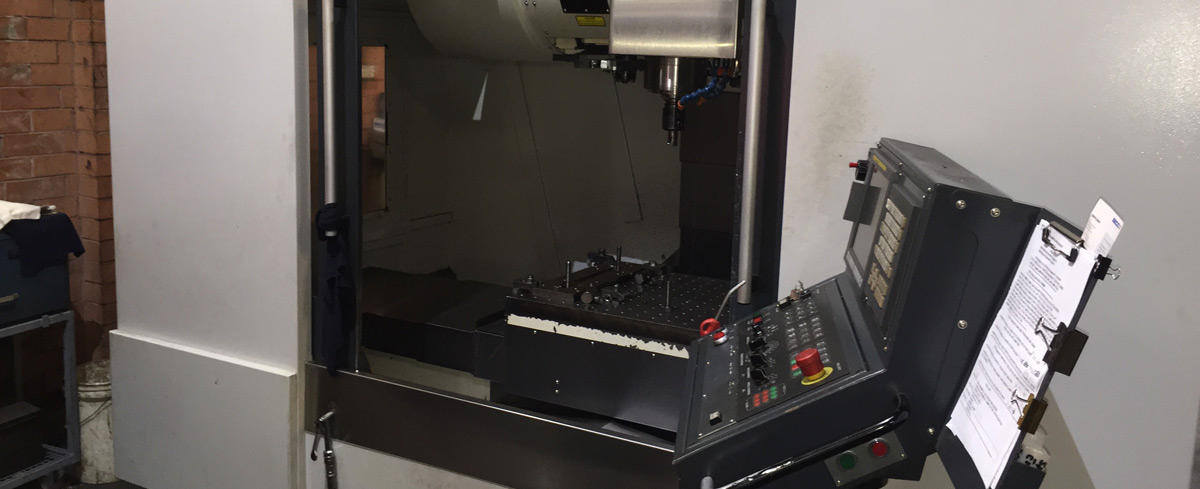
Screw Cutting with Kinetic Engineering: Precision in CNC Machining

26 June 2024

Screw cutting

Achieve unparalleled precision for your threaded components with Kinetic Engineering’s CNC screw cutting services. Learn about the importance, benefits, and applications.

At Kinetic Engineering, we understand the critical role precision plays in any engineered component. When it comes to threaded parts, achieving the perfect fit and function is paramount. That’s where our expertise in CNC screw cutting comes in.

This advanced machining process utilises computer numerical control (CNC) technology to create internal and external threads with unmatched accuracy and repeatability.

The Power of CNC Screw Cutting

Traditional screw cutting lathes rely on a lead screw and change gears to translate rotary motion into a linear movement for thread creation. While effective, this method can be susceptible to inaccuracies due to mechanical wear and backlash.

CNC screw cutting eliminates these limitations. The CNC system precisely controls the cutting tool’s movement based on a pre-programmed digital model. This ensures unmatched accuracy, superior repeatability, reduced lead time and minimised material waste.

The Importance of Screw Cutting

Screw cutting is a crucial process in CNC machining, as it involves creating precise threads on a screw or bolt. The quality of the screw cutting process can significantly impact the overall performance and reliability of the final product.

In CNC machining, screw cutting is used to create threads on screws, bolts, and other fasteners, which are then used in a wide range of applications, including construction, automotive, aerospace, and more.

The Benefits of Precision Screw Cutting

Precision screw cutting offers several benefits, including:

•  Improved Performance: Precision screw cutting ensures that the threads are accurately cut, resulting in improved performance and reliability of the final product.

•  Increased Efficiency: Precision screw cutting reduces the risk of errors and rework, resulting in increased efficiency and reduced costs.

•  Enhanced Safety: Precision screw cutting ensures that the threads are accurately cut, reducing the risk of accidents and injuries.

•  Improved Quality: Precision screw cutting ensures that the threads are accurately cut, resulting in improved quality and reduced defects.

How Kinetic Engineering Can Help

At Kinetic Engineering, we have extensive experience in screw cutting and CNC machining. Our team of experts uses state-of-the-art equipment and techniques to ensure precision in screw cutting. We can help you achieve precision in your screw cutting needs by:

•  Providing Customized Solutions: We can provide customised solutions to meet your specific screw cutting needs, including precision screw cutting, thread cutting, and more.

•  Using State-of-the-Art Equipment: We use state-of-the-art equipment and techniques to ensure precision in screw cutting, including CNC machining centres, lathes, and more.

•  Offering Expertise: Our team of experts has extensive experience in screw cutting and CNC machining, ensuring that you receive the highest level of precision and quality.

Partner with Kinetic Engineering for Flawless Screw Cutting Solutions

Precision screw cutting is a critical process in CNC machining, and Kinetic Engineering is committed to providing precision in screw cutting. Whether you need precision screw cutting for a specific application or require customized solutions, we can help you achieve precision in your screw cutting needs.

Optimised by: Netwizard SEO

Back to Blog
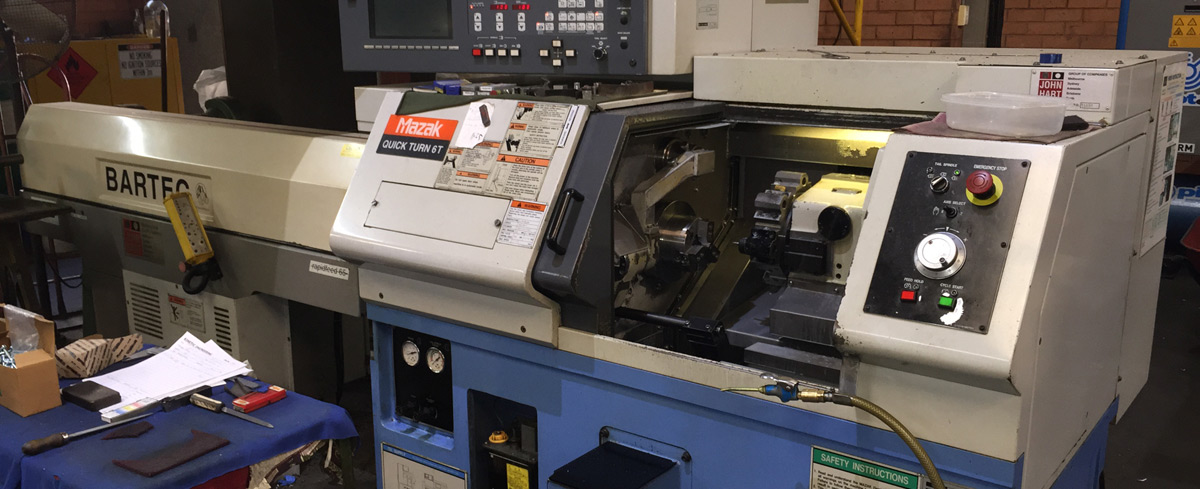
Manual Machining Services: Revolutionise Your Manufacturing Process with Kinetic Engineering

11 June 2024

manual machining services

Unlock the power of manual machining with Kinetic Engineering. Our expert services optimise your manufacturing process for quality, efficiency and cost savings.

Manual machining is a fundamental process in manufacturing, allowing for the precise shaping and finishing of metal components. At Kinetic Engineering, we’re here to show you how manual machining can revolutionise your manufacturing process.

Our group of knowledgeable engineers and machinists has decades of combined experience in the industry. No matter how complicated the job, we use cutting-edge tools and methods to produce unmatched outcomes. When you work with Kinetic Engineering to meet your demands for manual machining services, you can anticipate:

Uncompromising Quality

•  Accuracy of surface treatments and tolerances

•  Strict quality control procedures

•  Respect for industry norms and guidelines

Improved Efficiency

•  Streamlined procedures for manufacturing

•  Shorter lead and turnaround times

•  Adaptable schedule to fulfil your deadlines

Cost Savings

•  Affordable prices without compromising on quality

•  Lower waste and material expenses

•  Removal of outsourcing costs

The Power of Precision: Why Choose Manual Machining?

While CNC machining excels in high-volume production runs, manual machining offers a different set of benefits:

•  Ideal for Small Batches and Prototypes: When it comes to prototypes or small production runs, manual machining dominates. It’s a fast and affordable solution for the first stages of production because it doesn’t require complicated programming or lengthy setup times.

•  Unmatched Attention to Detail: Our knowledgeable machinists are well-versed in both materials and methods. Even the most sophisticated CNC machines cannot match the amount of control and precision with which they can painstakingly create pieces.

•  Versatility for Diverse Projects: Manual machining isn’t limited by pre-programmed tool paths. Our team can adapt and adjust techniques on the fly to accommodate unique material properties or complex designs, ensuring superior results for intricate projects.

•  Cost-Effectiveness for Smaller Quantities: Manual machining eliminates the need for expensive CNC programming and setup costs for limited runs. This can ensure that you can save for a bigger project.

Kinetic Engineering: Your Trusted Partner in Manual Machining

At Kinetic Engineering, we don’t just offer manual machining services; we leverage its potential to deliver exceptional value to our clients. Here’s what sets us apart:

•  Skilled and Experienced Machinists: Our team comprises passionate and highly skilled machinists with years of experience. Their expertise ensures the highest quality results for your project.

•  Commitment to Quality: We are dedicated to exceeding your expectations. Every piece is meticulously crafted with the utmost attention to detail and adherence to your specifications.

•  Broad Material Expertise: Our machinists have a deep understanding of working with various materials, from common metals like aluminium and steel to more specialised alloys and plastics.

•  Communication and Collaboration: We believe in open communication. We work closely with you throughout the process, ensuring your vision is translated into a precisely machined component.

Optimised by: Netwizard SEO

Back to Blog
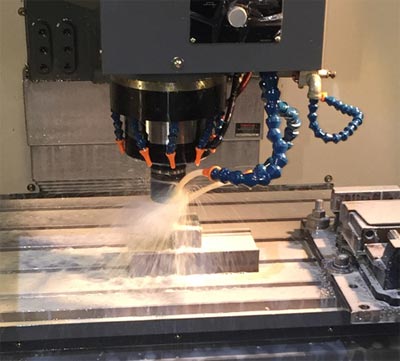
CNC Cutting Services: Pushing Boundaries in Sydney?s Industrial Landscape

28 May 2024

CNC Cutting Services

Experience innovative CNC cutting services transforming Sydney’s industrial scene with Kinetic Engineering. Precision, efficiency, and quality. Call us now!

Sydney’s industrial sector has long been a driving force behind the city’s economic growth and innovation. From manufacturing to construction, the demand for precision and efficiency has never been higher. In today’s fast-paced environment, Computer Numerical Control (CNC) cutting technology is a transformative force, reshaping businesses’ approach to intricate projects and pushing the limits of achievable.

Evolution of CNC Cutting Technology

CNC cutting technology has come a long way since its inception. Initially developed for the manufacturing industry, this advanced cutting method uses computer-controlled machines to cut and shape materials with exceptional accuracy precisely. Over the years, advancements in software and hardware have made CNC cutting services increasingly versatile, capable of handling a wide range of materials and delivering intricate designs with unparalleled precision.

Impact of CNC Cutting on Industrial Efficiency and Innovation

The impact of CNC cutting on Sydney’s industrial sector cannot be overstated. This cutting-edge technology has transformed how businesses operate, offering numerous benefits that have streamlined processes, enhanced efficiency and fostered innovation.

•  Increased Precision and Consistency – CNC cutting offers unmatched precision and consistency. Computer-controlled machinery ensures accurate cuts, meeting stringent quality standards. Vital for industries like aerospace, automotive, and medical devices.

•  Reduced Waste and Improved Sustainability – CNC cutting technology is efficient and eco-friendly. Minimising waste and maximising resource use reduces environmental impact while staying cost-effective. Aligns with Sydney’s focus on sustainability and responsible resource use.

•  Accelerated Production and Shorter Lead Times – CNC cutting streamlines production, cutting lead times significantly. Automation eliminates manual cutting, boosting productivity and turnaround speed. Crucial in industries like construction and manufacturing, where time-to-market is vital.

Specific Applications of CNC Cutting Servcies in Sydney’s Industrial Sector

CNC cutting technology has found numerous applications across Sydney’s diverse industrial landscape, revolutionising various sectors and enabling businesses to achieve unprecedented precision and efficiency.

•  Construction and Architectural Design – CNC cutting services plays a crucial role in creating intricate and complex structures in the construction and architectural design industries. From steel beams and architectural panels to decorative elements and custom fixtures, CNC cutting ensures precise fabrication and seamless integration of components, enabling the realisation of ambitious and innovative designs.

•  Manufacturing and Prototyping – Sydney’s thriving manufacturing sector has embraced CNC cutting technology for its ability to produce high-quality components and prototypes with exceptional accuracy. Whether it’s automotive parts, medical devices, or consumer goods, CNC cutting allows for rapid prototyping and streamlined production, giving businesses a competitive edge in the market.

•  Signage and Advertising – The industry relies heavily on CNC cutting to create eye-catching displays, signage, and promotional materials. From intricate lettering and logos to complex shapes and designs, CNC cutting ensures consistent quality and enables businesses to stand out in Sydney’s vibrant commercial landscape.

If you want to elevate your industrial operations and push the boundaries of what’s possible, consider partnering with Kinetic Engineering – your trusted partner for all your CNC cutting services and general engineering needs in Sydney. With our expertise and state-of-the-art equipment, we can help you unlock the full potential of CNC cutting technology and drive your business towards success in Sydney’s thriving industrial landscape.

Optimised by: Netwizard SEO

Back to Blog
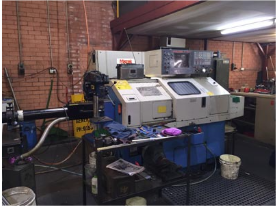
Metal Fabrication with MIG Welding: Achieving Superior Results

09 May 2024

metal fabrication

Discover the power of and the process behind MIG welding by Kinetic Engineering in metal fabrication. Expect superior results with this versatile process.

Metal fabrication is an important aspect of various industries, from construction and automotive to manufacturing and aerospace. In Australia, the demand for high-quality metal components continues to grow, driving the need for efficient and reliable fabrication methods. One such technique that has gained widespread popularity is MIG or Metal Inert Gas welding.

MIG welding offers numerous benefits, including versatility, speed, and superior results. Offered by Kinetic Engineering, explore the fundamentals of MIG welding and how it contributes to achieving superior outcomes in metal fabrication.

The MIG Welding Process

MIG welding is a welding process that uses a continuous solid wire electrode, an inert shielding gas, and a welding gun to join metals. The electrode wire is fed through the welding gun, where it melts and fuses with the base metal, creating a strong and durable bond. The inert shielding gas, typically argon or a mixture of argon and carbon dioxide, protects the weld pool from atmospheric contamination, ensuring clean and high-quality welds. MIG welding is widely favoured for its ease of use, versatility, and ability to produce clean, aesthetically pleasing welds.

MIG Welding: Advantages

Many advantages can be associated with MIG welding. They include the following.

•  Superior Weld Quality: One of the key reasons why MIG welding is preferred in metal fabrication is its ability to deliver superior weld quality. The precise control over heat input, weld penetration, and bead appearance allows for consistent and high-quality welds, free from defects such as porosity, spatter, and undercutting. Additionally, the inert shielding gas provides excellent protection against atmospheric contamination, resulting in clean and metallurgically sound welds. Whether you’re welding thin sheet metal or thick structural components, MIG welding ensures strong, durable, and visually appealing welds that meet industry standards and specifications.

•  Versatility in Metal Fabrication: Another primary advantage of MIG welding is its versatility in metal fabrication. MIG welding can be used to weld a wide range of metals and alloys, including steel, stainless steel, aluminium, and copper. This flexibility makes it suitable for various applications, from structural fabrication and automotive assembly to sheet metal work and precision welding. MIG welding offers the versatility and adaptability needed to meet diverse industry requirements, allowing the fabrication of components for building construction, manufacturing machinery, or customised products.

•  Speed and Efficiency: Aside from its versatility, MIG welding is known for its speed and efficiency. The continuous wire feed mechanism allows for rapid welding speeds, reducing production time and increasing productivity. Unlike other welding processes that require frequent electrode changes or flux cleaning, MIG welding offers uninterrupted welding, resulting in seamless and efficient operation. This makes it an ideal choice for high-volume manufacturing environments where efficiency and cost-effectiveness are paramount. With MIG welding, manufacturers can streamline their production processes and meet tight deadlines without compromising on quality.

MIG welding is a versatile and efficient process that can be done by Kinetic Engineering for metal fabrication projects across various industries in Australia. With its versatility, speed, and ability to produce superior weld quality, this process offers numerous advantages for manufacturers seeking to achieve superior results in their fabrication projects. Harness the power of MIG welding today so that you and other manufacturers can enhance your productivity and reduce costs.

Optimised by: Netwizard SEO

Back to Blog
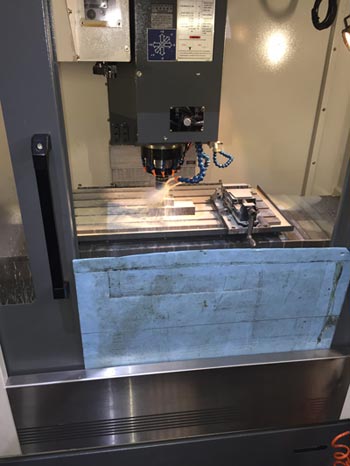
Metal Cutting Services: Tailor Solutions to Your Unique Business Needs

23 April 2024

metal cutting services

Elevate your manufacturing works with metal cutting services by Kinetic Engineering. Explore these services and how they are tailored to your business needs.

Metal cutting services by Kinetic Engineering can be useful in industries like manufacturing, construction, and automotive as metal components can be cut to achieve the desired shape, size, and quality. We offer tailored solutions to meet the unique needs of businesses, providing precision, efficiency, and versatility in producing metal parts and components.

Meeting Exact Specifications

Precision is highly significant in metal cutting. Therefore, Kinetic Engineering carries out metal cutting services by utilising advanced technologies and techniques. We do this to achieve precise cuts with tight tolerances, ensuring each component meets the exact specifications required for its intended application. From screw cutting and CNC machining, we offer a range of options to suit different materials, thicknesses, and complexity levels, providing businesses with the flexibility to produce high-quality parts with consistency and accuracy.

Streamlining Manufacturing Processes

Efficiency is another vital point for metal cutting services as it allows businesses to streamline their manufacturing processes and increase productivity. With our state-of-the-art equipment and automation technologies, our metal cutting services can perform complex cutting operations quickly and efficiently, reducing lead times and increasing throughput. Whether it’s batch production, prototyping, or custom fabrication, we enable businesses to meet deadlines and fulfil orders more effectively, improving overall operational efficiency and customer satisfaction.

Meeting Unique Business Needs

One edge of our metal cutting services is our ability to provide customised solutions tailored to the unique needs of businesses. Whether you require specific dimensions, finishes, or quantities, our team can work with you to develop a solution that meets your exact requirements. From design assistance and material selection to production planning and quality assurance, we offer comprehensive support throughout the entire process, ensuring you can achieve your goals efficiently and cost-effectively.

Ensuring Consistency and Reliability

Quality assurance is a critical aspect of metal cutting services, with Kinetic Engineering implementing stringent measures to ensure consistency and reliability in every cut. From initial material inspection to final product inspection, we adhere to strict quality control standards to verify the accuracy, integrity, and dimensional accuracy of each component. Our commitment to quality assurance helps businesses minimise waste, reduce rework, and maintain the highest standards of quality and performance in their products, enhancing their reputation and competitiveness in the market.

Accommodating Materials and Uses

Kinetic Engineering’s metal cutting services offer versatility in both materials and applications, catering to a wide range of industries and requirements. Whether you are working with steel, aluminium, stainless steel, brass, or exotic alloys, we can work on various materials and thicknesses, providing businesses with the flexibility to work with different substrates and achieve specific performance characteristics. From simple shapes and profiles to intricate designs and complex geometries, we can handle a diverse range of cutting tasks, ensuring businesses can tackle any project with confidence.

Metal cutting services by Kinetic Engineering offer tailored solutions to meet the unique needs of businesses, providing precision, efficiency, and versatility in the production of metal parts and components. By partnering with us, your business can achieve your production goals more effectively and remain competitive throughout your operations.

Optimised by: Netwizard SEO

Back to Blog
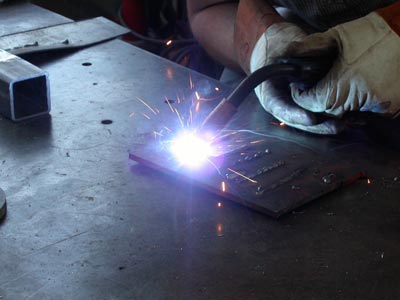
The Future of Fabrication Services: Cutting-Edge Machining Centre Technology

09 April 2024

fabrication services

Unlock the future of fabrication services with cutting-edge machining centres. With the help of Kinetic Engineering, know how they reshape manufacturing.

Cutting-edge machining centre technology continues to shape the future of fabrication services as industries evolve and demands efficiency and precision increase. These advancements in machinery are revolutionising the manufacturing processes, offering enhanced capabilities, higher productivity, and unprecedented levels of precision.

Machining Centres: A Quick Overview

A machining centre is a sophisticated industrial machine used in manufacturing and metalworking processes to perform a variety of operations such as drilling, milling, tapping, and cutting. It combines several machining processes into a single machine, offering versatility and efficiency in production.

Machining centres consist of a stationary worktable and a movable spindle equipped with cutting tools, allowing for precise and automated machining of workpieces. These machines may also feature additional axes of movement, such as X, Y, and Z axes, as well as rotational axes, enabling complex machining operations and the production of intricate components with high accuracy and repeatability.

Kinetic Engineering takes advantage of a wide range of machining centres to carry out different fabrication processes. They include YCM XV1020A, Mitseiki CV-1200A, and Leadwell V40.

The Capabilities of Machining Centres

Machining centres are notable for the following features.

•  High-Speed Machining: Machining centres are equipped with high-speed spindle technology capable of achieving rapid machining rates while maintaining exceptional precision.

•  Multi-Axis Machining: Multi-axis machining centres then offer unparalleled versatility by allowing simultaneous movement of the cutting tool along multiple axes.

•  Advanced Automation: Automation plays a significant role in the future of fabrication services, with machining centres incorporating advanced robotic systems for material handling, tool changing, and part manipulation.

•  Integrated CAD/CAM Systems: Integration of computer-aided design (CAD) and computer-aided manufacturing (CAM) systems directly into machining centres enables seamless programming and execution of machining operations, optimising tool paths, minimising programming errors, and maximising machining efficiency.

Key Advantages of Machining Centres

Machining centres help in improving the fabrication services of Kinetic Engineering as they provide the following notable advantages.

•  Enhanced Accuracy: Cutting-edge machining centre technology delivers unparalleled levels of accuracy and precision, ensuring that fabricated components meet tight tolerances and exact specifications. Their accuracy and precision are essential for industries such as aerospace, automotive, and medicine as they prioritise quality and reliability.

•  Increased Productivity: The advanced capabilities of modern machining centres also enable Kinetic Engineering to achieve higher levels of productivity and throughput. With faster machining speeds, reduced setup times, and streamlined operations, our fabrication services can meet growing demands and maximise production output.

•  Cost Efficiency: Initial investments in machining centres may be huge, but the long-term cost efficiencies are substantial. By reducing production times, minimising material waste, and optimising resource utilisation, we can lower overall manufacturing costs and improve profitability.

•  Assured Adaptability: The versatility of modern machining centres allows for the fabrication of a wide range of components, from simple parts to complex assemblies. This adaptability makes them well-suited for diverse industries and applications, providing us with the flexibility to respond to changing market demands and customer requirements.

The future of fabrication services is being shaped by cutting-edge machining centre technology, offering unparalleled levels of precision, productivity, and versatility. With their associated features, modern machining centres revolutionise the manufacturing process of Kinetic Engineering and drive innovation across a wide array of industries.

Optimised by: Netwizard SEO

Back to Blog

The Art of Precision Tapping: Ensuring Seamless Threading

22 March 2024

Create seamless, perfect threads in manufacturing with precision tapping by Kinetic Engineering. Learn techniques and tips for success with this vital process.

In manufacturing and engineering, precision tapping is widely considered as a fundament process essential for creating accurate, functional threads in various materials. This meticulous procedure entails cutting internal threads within pre-drilled holes, enabling bolts or screws to fit perfectly. This process is not just about the tools used but it is also about understanding the material, the tool, and the technique to achieve seamless threading every time.

The Goal of Precision Tapping

Precision tapping is the process required to create threads and ensure they are perfectly aligned, consistent, and without defects. This process can be applied to almost any material, including metals, plastics, and composites, making it a versatile skill in any craftsman’s toolbox.

Precision Tapping: Key Steps

Multiple steps must be done to ensure precision tapping can be carried out optimally.

•  Right Tap Selection: Taps come in various shapes and sizes, each designed for specific materials and thread types. To select the right tap, one of the factors to consider is material compatibility. The tap material must be harder than the workpiece material to prevent wear and ensure clean cuts. Another factor to consider is the thread type. The tap must be matched to the desired thread type, whether it’s metric, imperial, coarse, or fine. Understanding the difference between straight flute, spiral point, and spiral flute taps, and when to use each should likewise be done.

•  Workpiece and Tool Prep: Before beginning the tapping process, you must verify if the pre-drilled hole has the correct size to be able to accommodate the tap. The right lubricant must also be applied to reduce friction, prevent tap breakage, and improve thread quality. The workpiece must then be clamped securely to prevent movement during tapping.

•  Precision Tapping: Precision tapping requires a steady hand and a focused mind. This process involves aligning the tap perpendicularly to the hole surface. Steady, even pressure must then be applied as the tap cuts into the material to avoid any sideways force that may break the tap. The tap must also be regularly reversed to break and clear chips, preventing clogging and tap breakage. Lastly, each thread must be cut to the same depth for uniformity.

Common Issues with Tapping

Even with the best preparation, issues can still arise. Common tapping problems include tap breakage, thread misalignment, and incomplete threading. They can often be mitigated by reducing the tapping speed to improve control and reduce heat buildup, periodically stopping to check the thread quality and alignment, investing in high-quality taps, and using a tapping arm or computer numerical control or CNC machine for better alignment and control.

Precision tapping lies in the details. Kinetic Engineering is a machining company you can trust for this process as we can select the right tools, prepare meticulously, and apply careful techniques, ensuring seamless, perfectly formed threads every time. Our capabilities are invaluable across manufacturing and engineering applications as we can easily turn a complex task into an art form.

Optimised by: Netwizard SEO

Back to Blog
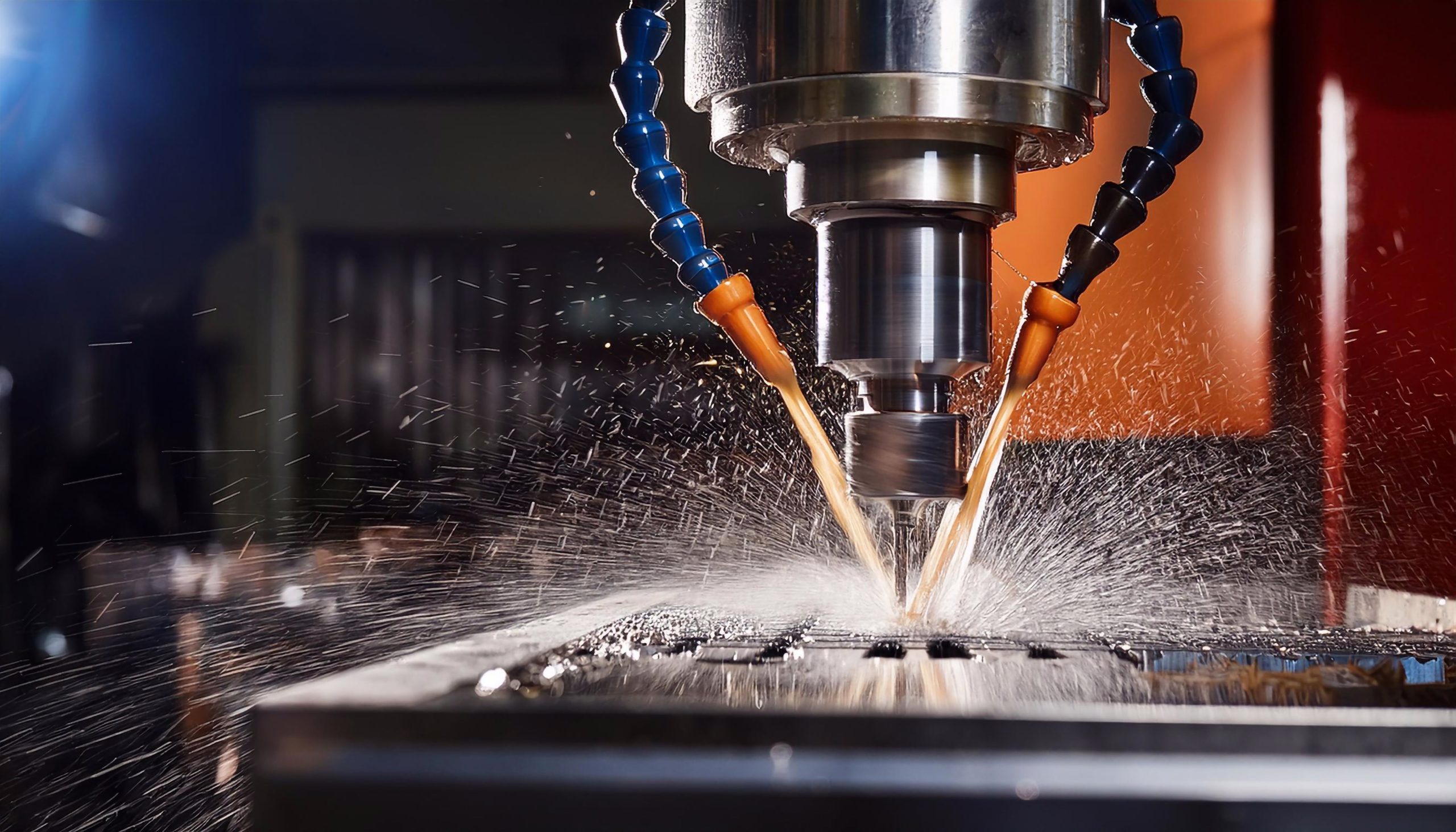
Meet Tight Tolerances: Turning Services for Exacting Fabrication Needs

07 March 2024

Turning Services

Achieve accuracy and quality in every part with turning services by Kinetic Engineering. Meet tight tolerances with turning for exacting fabrication needs.

When it comes to ensuring the quality and functionality of machined parts and components, industries can turn to turning services. These services can achieve these exacting fabrication requirements by providing the precision and accuracy needed to meet stringent specifications.

The Significance of Tight Tolerances

Tolerances refer to the allowable deviation from a specified dimension or geometric characteristic in a machined part. Tight tolerances mean a narrow range of acceptable variation, which requires precise machining techniques to achieve. Parts with tight tolerances are often found in industries like aerospace, automotive, medical, and electronics as they require precision and reliability.

Now, two things that must be considered to achieve tight tolerances are the materials and tooling. A careful selection of these things can optimise machining performance and dimensional stability. We, at Kinetic Engineering, choose the most suitable materials for the application, considering factors like hardness, thermal conductivity, and machinability. Applications requiring tight tolerances can take advantage of high-performance alloys, advanced ceramics, and engineering plastics.

Major Precision Turning Techniques

A process that can be used to produce quality parts is turning. It is a machining process that can create cylindrical parts by removing material from a rotating workpiece with a cutting tool. Our team at Kinetic Engineering employ a variety of precision turning techniques to meet tight tolerances. Some of these techniques are as follows.

•  High-Speed Machining: We utilise advanced CNC turning equipment capable of high spindle speeds and rapid tool changes to achieve tight tolerances with minimal runout and vibration.

•  Micro-Machining: We likewise employ specialised cutting tools and techniques to machine miniature parts and features with micron-level accuracy and surface finish.

•  Multi-Axis Machining: We even leverage multi-axis CNC lathes and turning centres to machine complex geometries and contours with precision and repeatability.

Quality and Consistency are Crucial

To monitor part tolerances and ensure adherence to specifications, we carry out frequent dimensional checks and quality inspections during machining. Kinetic Engineering also implements rigorous quality assurance measures to verify part dimensions, surface finish, and geometric accuracy. Advanced metrology equipment pieces can be used to inspect finished parts and ensure compliance with tight tolerance requirements.

All processes covered by our turning services can help achieve the results needed by different industries and sectors. The aerospace industry, for instance, can turn to turning services to produce turbine blades, engine shafts, and landing gear parts. Engines, transmissions, steering systems, and chassis assemblies for the automotive industry can also be produced out of turning services. Even the medical industry can opt for these services to manufacture surgical instruments, implants, and prosthetic devices with precise dimensions and biocompatible materials.

Turning services by Kinetic Engineering are guaranteed to meet tight tolerances and exacting fabrication needs across various industries. We maximise precision turning techniques, advanced equipment, and quality assurance measures to achieve the required dimensional accuracy and surface finish in machined parts. Whether in aerospace, automotive, or medical applications, our turning services provide the precision and reliability needed to produce high-quality components that meet the most demanding specifications.

Optimised by: Netwizard SEO

Back to Blog

Finishing Touches in CNC Lathe Operations to Achieve Perfection

21 February 2024

CNC Lathe Operations

Achieve perfection in machining operations with CNC lathe operations by Kinetic Engineering. Elevate precision for unparalleled quality. Call (02) 9153 9911.

Machining operations in general must be done optimally to make sure final parts and products will boast great quality. To date, many machines can be used to achieve this goal. One of them is the Computer Numerical Control (CNC) lathes.

CNC lathes have revolutionised the manufacturing industry by offering unparalleled accuracy and efficiency. With automation and other vital components, industries lean on these machines to attain perfection during the finishing process of parts and components.

An Overview of CNC Lathe Operations

CNC lathes are computer-controlled machines that utilise pre-programmed instructions to precisely cut and shape materials. They are guaranteed to create intricate components with high accuracy, especially those that are down to the finishing touches.

You see, CNC lathes truly excel at precision machining. However, they can also be useful for the final stages of part production. They go beyond basic machining to refine the surface quality, dimensional accuracy, and overall appeal of the final product.

Primary Surface Finishing Techniques

When utilising CNC lathes, two surface finishing techniques can be used.

1. Polishing: Polishing is a common finishing technique that involves smoothing the surface of a machined part. This finishing technique can enhance the appearance and reduce friction and wear on moving components.

2. Buffing: Buffing is the process of using a soft material to create a smooth and glossy finish. It introduces a lustrous sheen to the machined surface.

CNC Lathe Operation Major Processes

Aside from surface finishing techniques, CNC lathe operations also involve other processes.

Deburring, for instance, is a vital step in finishing CNC machine parts. It involves removing burrs, sharp edges, or protrusions left on the material after machining. Deburring enhances the safety, functionality, and appeal of the parts.

Tolerance checks are also done to achieve perfection. After CNC machining, components must undergo thorough tolerance checks to ensure they meet the specific dimensions within acceptable limits. Some of these components may then be subjected to coating processes like anodising, plating, or others to safeguard them from various hazardous elements.

Finishing touches extend beyond functional aspects to include customisation for aesthetic appeal. Unique textures, patterns, or branding can be incorporated during the finishing phase to add a distinctive touch to the machined components.

Microfinishing and superfinishing techniques can likewise be employed to achieve ultra-smooth surfaces. These processes involve using abrasive materials to reduce surface roughness to microscopic levels, ensuring optimal performance.

Rigorous quality assurance protocols are, ultimately, implemented during and after finishing touches. They involve comprehensive inspections, testing, and adherence to industry standards to guarantee the highest quality of the machined components.

A Partnership with Kinetic Engineering

Achieving perfection is an ongoing process. We, at Kinetic Engineering, embrace a culture of continuous improvement, refining techniques, adopting advanced technologies, and learning from each project to enhance the quality of our finished components.

Finishing touches in CNC lathe operations are the core of craftsmanship in the manufacturing industry. The marriage of our precision machining with meticulous finishing transforms raw materials into components of exceptional quality, functionality, and visual appeal.

Optimised by: Netwizard SEO

Back to Blog

Manual Machining Services: Crafting Flawless Cuts with Slotting

02 February 2024

Manual Machining Services

Achieve flawless cuts for your needs through manual machining services by Kinetic Engineering. Explore the process of slotting. Call us at (02) 9153 9911.

Many automated machining services are already being offered by fabrication companies today. Even we, at Kinetic Engineering, offer such services due to the convenience they can bring. However, manual machining services are still utilised nowadays as they can be precise and flawless in select applications. One specific process under these services that is advantageous to many fabrication projects today is slotting.

The General Process of Slotting

Slotting is a machining operation involving the creation of slots or grooves in a workpiece. These slots can serve various purposes, from accommodating other components to enhancing the aesthetics of a design. In manual machining, slotting is done with precision and attention to detail, ensuring each cut meets the exact specifications of the design.

One great thing about slotting is it allows for the creation of intricate and precise designs. Our experts at Kinetic Engineering can craft slots of varying depths, widths, and orientations, providing a high degree of customisation that makes slotting an ideal choice for unique and complex projects.

Another thing that makes slotting a great manual machining process is it is adaptable to a wide range of materials. Materials like metals, plastics, and composites can undergo slotting without any compromises, making the process suitable for diverse applications across vital industries like aerospace, automotive, and manufacturing.

Slotting by Kinetic Engineering

When we conduct the slotting process, we first select the right cutting tools. Cutting tools like end mills or slitting saws can be useful in meeting the specific requirements of the slotting operation. Once the right tools have been picked, we execute precise slotting by guiding the tools across the workpiece carefully as well as adjusting feed rates and depths.

After completing the slotting process, a thorough quality inspection is conducted. We assess the dimensions, surface finish, and overall accuracy of the slots to make sure they align with the specified tolerances. Our commitment to quality control guarantees finished products with the highest standards.

Primary Advantages of Slotting

Many advantages can be expected from the slotting process carried out by our team at Kinetic Engineering. Some of them are as follows.

•  Great Customisation: Manual machining, particularly slotting, offers unparalleled customisation. We can adapt our approach to meet the unique requirements of each project, resulting in tailored solutions that may be challenging to achieve with automated processes.

•  Cost-Effectiveness for Small Projects: For prototyping and small production runs, slotting proves to be a cost-effective solution. The setup time is generally quicker than that of complex automated systems, making the process an efficient choice for projects with smaller quantities.

•  Artisanal Expertise: Beyond the technical aspects, manual machining brings a touch of artisanal expertise to the manufacturing process. Our years of experience allow us to not only understand the science of machining but also infuse a sense of artistry into our work.

Through manual machining techniques like slotting, we can sculpt flawless cuts with a level of precision and customisation that defines true craftsmanship. Our manual machining services at Kinetic Engineering can elevate the creation of components and parts to a level of unequalled excellence.

Optimised by: Netwizard SEO

Back to Blog

Premium Welding Services by Kinetic Engineering for the Structural Integrity of Components

18 January 2024

premium welding services

Maximise premium welding services by Kinetic Engineering to elevate your components’ structural integrity. Attain high-quality welded parts. Call 02 9153 9911.

When it comes to manufacturing, construction, and other industries, a wide range of processes can be utilised to ensure their components are connected effectively. One of these processes is welding as it binds parts together efficiently and reliably. However, to make sure this process can fulfil its purpose, it must be done by professionals.

We, at Kinetic Engineering, can provide premium welding services to a variety of industries. Opting for our services can maintain the structural integrity of your components, contributing to their overall strength, longevity, and performance. Some benefits of utilising our services are as follows.

Precise Output

Premium welding services begin with a focus on precision. Our expert welders at Kinetic Engineering meticulously plan and execute welding processes to create seamless joints between components. Our welding process not only enhances the aesthetic appeal of the finished product but also plays a crucial role in the overall structural integrity.

Diverse Material Compatibility

The expertise of Kinetic Engineering’s professional welders extends to working with a diverse range of materials, from steel and aluminium to exotic alloys. This versatility allows for the creation of components that meet the unique demands of different industries and applications.

Boosted Structural Strength

The primary goal of our premium welding services is to contribute to the structural strength and stability of components. Welded joints must withstand various stresses, including tension, compression, and torsion. Expert welders at Kinetic Engineering ensure that each weld is designed and executed to provide the required strength for the intended application.

Ensured Quality Standards

Premium welding services by Kinetic Engineering adhere to industry codes and quality standards. We are well-versed in the specifications and requirements outlined by relevant codes and organisations, ensuring that welded components meet or even exceed established quality benchmarks.

Timely Output Delivery

Premium welding services by Kinetic Engineering are characterised by efficiency and timely delivery. Our expert welders optimise their processes to ensure that projects are completed within specified timelines without compromising on quality. This benefit is particularly crucial in industries where project schedules are tightly managed and must be followed thoroughly.

Tailored Welding Solutions

Kinetic Engineering understands that each project comes with its unique set of challenges and requirements. Our premium welding services, therefore, offer tailored solutions, whether it’s for constructing industrial structures, manufacturing components for aerospace applications, or creating precision instruments. We even employ Metal Inert Gas or MIG welding to ensure components can boast optimal strength and excellent weld quality.

Assured Weld Quality

Ensuring the structural integrity of welded components involves robust inspection and quality assurance protocols. Kinetic Engineering conducts thorough inspections to identify and rectify any potential defects upon completing the welding process.

Premium welding services provided by Kinetic Engineering uphold the structural integrity of components across various industries. Precision welding, adherence to quality standards, and a commitment to excellence characterise the work of our professional welders. As industries continue to demand components and structures that meet stringent performance requirements, we always ensure that welded joints contribute to the strength, durability, and reliability of the finished product.

Optimised by: Netwizard SEO

Back to Blog

CNC Machining: Shape the Future of Manufacturing with Machining Centres

10 January 2024

CNC machining

Revolutionise manufacturing in Sydney with CNC machining centres. Utilised by Kinetic Engineering, ensure precision in modern production. Call (02) 9153 9911.

Modern manufacturing has been evolving rapidly due to the advancements integrated into a variety of machining tools and processes. One of these processes is computer numerical control (CNC) machining. Central to this process are machining centres, which are powerful hubs that can bring together innovation and precision.

The Gradual Rise of CNC Machining

CNC machining has evolved from traditional manual methods to computer-controlled precision. What sets it apart is its ability to automate and control tool movements with unparalleled accuracy, enabling the production of intricate and complex parts. The introduction of machining centres takes this precision to the next level by consolidating machining operations into a single, integrated system.

Maximising CNC Machining Centres

CNC machining centres are tools often utilised for CNC machining. At Kinetic Engineering, we carry out machining processes through machining centres. Some notable components of CNC machining centres include the following.

• Multi-Axis Capabilities: One of the notable features of machining centres is their multi-axis capabilities. Traditional machining is limited to three axes (X, Y, and Z), while machining centres can operate in multiple axes simultaneously. Their versatility enables the production of complex geometries and intricate components.

• Programmable Workholding: Machining centres feature programmable workholding devices. They can be customised to secure different types of workpieces, providing flexibility and adaptability in manufacturing various components without needing manual adjustments.

• Automated Tool Changers: Machining centres are equipped with automated tool changers, allowing for seamless transitions between different tools during machining. This automation eliminates the need for manual tool changes, reducing downtime and enhancing overall efficiency.

• High-Speed Machining: Modern machining centres are designed for high-speed machining, allowing for faster cutting and machining operations without sacrificing precision. This capability significantly reduces production times and enhances overall productivity.

CNC Machining Centres: Capabilities

At Kinetic Engineering, we use machining centres to carry out a variety of processes.

For one, we can process a wide range of materials to generate products. The precision and versatility of CNC machining centres make them well-suited for the intricacies of working with cutting-edge materials, contributing to advancements in automotive, aerospace, and many more industries. We can then integrate machining centres into the processes carried out in Industry 4.0. We can install them alongside networked systems, allowing for real-time monitoring, data analysis, and remote control.

Machining centres can even be utilised for additive and subtractive manufacturing integration. We use machining centres to conduct additive and subtractive methods, allowing for the precision machining of additively manufactured components. This capability opens new possibilities for design complexity and material combinations. Ultimately, we utilise machining centres for prototyping and rapid production runs as they can process materials quickly and accurately.

CNC machining centres shape the future of how Kinetic Engineering produce intricate and precise components. As industries continue to push the boundaries of design complexity and material innovation, machining centres will play a pivotal role in realising the vision of efficient, sustainable, and technologically advanced manufacturing processes.

Optimised by: Netwizard SEO

Back to Blog

Boring and Keying Services: Seamless Connections in Metal Fabrication

04 December 2023

Boring and Keying Services

Uncover the significance of boring and keying services in metal fabrication. Conducted by Kinetic Engineering, explore their benefits. Call (02) 9153 9911.

The success of metal fabrication projects relies heavily on the strength and precision of their respective connections. Without maximising the right fabrication techniques and processes, the connections can deteriorate and get damaged easily, which can shorten their overall product life. Two processes that can generate seamless, reliable connections are boring and keying.

The Benefits of Boring and Keying

Boring and keying are machining processes that focus on creating precise openings and slots in metal components. Some benefits of these processes are as follows.

• Precise Connections: Boring and keying offer an unparalleled level of precision, ensuring parts fit together perfectly, eliminating unnecessary clearances and misalignment.

• Enhanced Load: The precision of these processes significantly improves a connection’s load-bearing capacity, a critical factor for the structural integrity of machinery and buildings. They can prevent stress concentrations that can lead to component failure.

• Reduced Friction: Keyed connections experience reduced friction, leading to smoother operation and reduced wear and tear, ultimately increasing the lifespan of the components.

• Less Vibration: Well-machined connections due to boring and keying can help dampen vibrations, enhancing the overall performance and longevity of machinery.

• Minimised Upkeep: Precise connections reduce the need for frequent maintenance and adjustments, saving time and resources.

Boring and Keying in Key Industries

Boring and keying services find applications across a wide spectrum of industries.

One of these industries is manufacturing. Machinery and equipment frequently require precise connections for optimal performance, making boring and keying services invaluable. The construction industry also maximises boring and keying services to create secure, precise connections for structural components like beams and columns. The aerospace industry, alternatively, relies on these services to ensure the reliability and safety of aircraft, as any mechanical failure can lead to catastrophic consequences. Lastly, vehicles in the transportation sector use boring and keying to form essential connections that withstand the rigours of their operational environments.

Partnering with Kinetic Engineering

Successful boring and keying can be achieved not only through the equipment utilised but also the expertise to operate them. Professionals in the field of metal fabrication like Kinetic Engineering understand the intricacies of these processes and have the knowledge to ensure that connections meet exact specifications. When you work with us, you can ensure that we can carry out these processes in a variety of materials through different types of machines and equipment pieces to deliver results that guarantee safety, durability, and performance. We can even carry out more fabrication techniques to ensure you acquire the best products out there.

Boring and keying processes are highly important in metal fabrication as they can guarantee precise, secure, and enduring connections. They are integral to the structural integrity, reliability, and efficiency of machinery, equipment, and structures in numerous industries. When embarking on a metal fabrication project, it’s vital to acknowledge the significance of boring and keying services and entrust the work with Kinetic Engineering to guarantee the success of your endeavour.

Optimised by: Netwizard SEO

Back to Blog

CNC Lathe Machining by Kinetic Engineering and How It Creates Complex Parts

01 December 2023

CNC Lathe Machining

Create high-quality complex parts with CNC lathe machining by Kinetic Engineering. Craft intricate components for various industries today. Call 02 9153 9911.

Modern manufacturing has benefitted from a range of machining processes to effectively produce different parts and components. Computer numerical control (CNC) lathe machining is one of those processes that can help create intricate and complex products for various industries. From aerospace components to medical devices and automotive parts, CNC lathes have become indispensable in delivering efficiency and precision.

A Quick Background of CNC Lathe Machining

CNC lathe machining is a subtractive manufacturing process where automated computer programs control the movement of a cutting tool. This tool removes material from a workpiece, which is often made of metal, plastic, or other materials, to create the desired shape, size, and finish. CNC lathes are highly versatile machines that can produce an array of components with tight tolerances and intricate geometries, as long as they are programmed and set up appropriately.

The process of CNC lathe machining begins with the design of a 3D CAD or Computer-Aided Design model of the part to be manufactured. Skilled engineers and machinists program the CNC lathe with the precise toolpaths and instructions needed to produce the component. Once set up, the lathe’s computer controls every aspect of the machining process, including the rotation and movement of the workpiece and the cutting tool.

We, at Kinetic Engineering, can produce a variety of complex parts out of different materials thanks to our team’s knowledge and expertise in CNC lathe machining. Partnering with us can help businesses like yours to take advantage of complex parts and components.

CNC Lathe Machining: Advantages and Uses

A wide range of advantages can be obtained when maximising CNC lathe machining. Some of these advantages are as follows.

• Unparalleled Precision: CNC lathe machining offers unparalleled precision. It can repeatedly produce components with tight tolerances, ensuring each part meets exact specifications.

• Complex Geometry: This process excels at creating parts with intricate shapes, contours, and details that would be challenging to achieve manually.

• Highly Efficient: CNC lathe machining is also highly efficient, reducing production time and material waste. Automated processes minimise human error and increase output.

• Cost-Effective: While the initial setup of CNC lathe machining may require investment, it leads to cost savings in the long run due to reduced labour costs and enhanced productivity.

• Ensured Versatility: CNC lathes can work with a wide range of materials, from metals and plastics to composites and exotic alloys, making them suitable for diverse industries.

All the advantages of CNC lathe machining make it useful in many applications. The aerospace industry, for instance, takes advantage of this process to create precision components for aircraft and spacecraft. The medical industry also uses this process to produce surgical instruments, implants, and medical devices. Engine components, transmission parts, and more can likewise be produced by CNC lathe machining for the automotive industry. Even connectors, pins, and other small, intricate parts for electronics can be generated by the CNC lathe machining.

CNC lathe machining by Kinetic Engineering is a cornerstone of modern manufacturing, enabling the production of precise and complex components across diverse industries. We harness the power of CNC technology to craft parts that meet strict quality standards and drive innovation in various sectors.

Optimised by: Netwizard SEO

Back to Blog

Manual Machining by Kinetic Engineering Advantages for Small Production Runs

17 November 2023

manual machining

Attain the benefits of manual machining by Kinetic Engineering for small production runs in Australia. Ensure precision and cost-savings. Call (02) 9153 9911.

The process of manual machining may seem like a relic of the past, especially with the increasing use of CNC machines and automated manufacturing techniques. However, for small production runs and specialised projects, manual machining remains a valuable and versatile option. We, at Kinetic Engineering, know how valuable this process is, ensuring it can still be maximised when carrying out small production runs and other similar projects.

When you opt for our manual machining service, you can attain the following perks for your small production runs.

Attention to Detail

Manual machining involves the skilful use of hand-operated tools and equipment, which allows our machinists to exercise a high degree of precision and control. Every cut, turn, and adjustment is made with meticulous attention to detail. This level of precision is highly valuable when producing small batches of parts or components without compromising accuracy.

Versatile

Another standout advantage of manual machining is its versatility. Kinetic Engineering can quickly switch between various tools and techniques to accommodate different materials, designs, and specifications. The flexibility of manual machining is invaluable for small production runs that often involve diverse requirements and specifications.

Cost-Effective

While automated CNC machines excel in mass production, they may not be cost-effective for smaller quantities. Manual machining eliminates the need for complex programming and setup, which makes it a cost-efficient choice for small-scale projects. The cost-efficiency of manual machining can translate to savings for businesses that want to produce limited quantities of parts or prototypes.

Superior Quality

Manual machinists are skilled and experienced craftsmen who have honed their expertise through years of training and practice. Their knowledge of materials, tool selection, and machining techniques ensures that each piece is crafted with the utmost care and skill. Our craftsmanship at Kinetic Engineering can result in superior quality products, even in small batches.

Rapid Prototyping

Manual machining is ideal for rapid prototyping, allowing us to create physical models and test designs without the time and expense of setting up automated machinery. This agility is crucial when refining product concepts and bringing innovations to life. It also grants you the opportunity to review and test your intended product specifications before the final production.

Quick Turnaround

Manual machining often offers faster turnaround times for small production runs. Without the complexities of computer programming and setup, our experienced machinists can begin work promptly, meeting your tight deadlines and urgent requirements.

Easy Upkeep

In many cases, manual machining is the preferred choice for maintenance and repair work. When specific components need replacement or refurbishment, we can replicate or modify parts swiftly, which then helps you minimise downtime.

Strong Personalisation

For businesses with unique or specialised needs, our manual machining service provides the opportunity for personalised solutions. We can work closely with clients like you to understand their requirements and create custom components tailored to their exact, needed specifications.

Manual machining by Kinetic Engineering offers a range of advantages for small production runs, making it a viable choice for businesses and industries where quality and efficiency are paramount, even in smaller quantities.

Optimised by: Netwizard SEO

Back to Blog

CNC Machining with Lathes: Superb Surface Quality by Kinetic Engineering

01 November 2023

CNC machining with lathe

Know how CNC machining with lathes delivers exceptional surface quality. Offered by Kinetic Engineering, learn the basics of the process. Call (02) 9153 9911.

Achieving impeccable surface quality is a hallmark of excellence, especially in terms of precision manufacturing. Computer numerical control or CNC machining, coupled with advanced lathe technology, has revolutionised the way industries approach surface finishing. From aerospace components to intricate parts for medical devices, the combination of CNC machining and lathes elevates the standards of surface quality to unparalleled heights.

The Fusion of CNC Machining and Lathes

CNC machining has reshaped the manufacturing landscape by enabling automated and highly precise machining processes. When integrated with lathes, this technology empowers manufacturers like us at Kinetic Engineering to achieve levels of surface quality that were once deemed challenging.

Lathes, for a long time, are maximised to shape and cut cylindrical workpieces by rotating them against cutting tools. With CNC technology, they become capable of executing complex machining operations with a high degree of accuracy and repeatability.

In carrying out CNC machining with lathes, a computer program controls the movement and positioning of the cutting tools and workpieces. The CNC system then interprets a digital design or model of the desired part and generates precise instructions for the movements of the lathe, including spindle rotation, tool movement along various axes, and feed rates.

Achieve Superb Product Surface Quality

As mentioned earlier, lathes have the capabilities to execute complex machining operations. They can likewise achieve intricate shapes and contours. CNC machining, therefore, takes this precision to the next level by orchestrating every movement with unparalleled accuracy. This synergy ensures that every pass of the cutting tool contributes to the generation of a flawlessly smooth and precise surface.

The combination of CNC machining and lathes then introduces a level of consistency and uniformity that manual processes cannot replicate easily. Whether it is turning, facing, threading, or grooving, their fusion ensures that each aspect of surface machining is executed with exactitude, resulting in quality finishes that meet the strictest quality standards.

CNC machining with lathes, additionally, eliminates variability due to human factors. Traditionally, variability due to human factors has led to deviations in surface quality. Once eliminated, we can easily achieve uniform surface finishes across multiple components.

The intricacy of modern parts often demands complex geometries that traditional methods struggle to address. CNC machining integrated with lathes effortlessly navigates these complexities, producing surfaces that adhere to intricate design specifications. From curves and chamfers to intricate patterns, they can yield results that push the boundaries of precision.

CNC machining with lathes optimises tooling utilisation. The sophisticated programming ensures that tool paths are optimised for efficiency and effectiveness. This not only enhances the machining process but also contributes to surface quality by minimising tool wear and maintaining consistent cutting forces.

CNC Machining by Kinetic Engineering

CNC machining with lathes by Kinetic Engineering embodies the pinnacle of precision manufacturing. It is a symphony of technology, innovation, and expertise that results in surface quality surpassing conventional methods. As industries like aerospace, medical, and others continue to push the boundaries of what’s possible, the fusion of CNC machining and lathe technology remains a steadfast enabler of superlative surface finishes, allowing us to shape the future of precision manufacturing.

Optimised by: Netwizard SEO

Back to Blog

CNC Milling Services: Rapid Prototyping and Large-Scale Production

24 October 2023

cnc milling services

Simplify prototyping and production with CNC milling services by Kinetic Engineering. Know their benefits and manufacturing applications. Call (02) 9153 9911.

In modern manufacturing, Computer Numerical Control or CNC milling has emerged as a powerhouse technology that caters to various industries, from aerospace to automotive, healthcare to electronics. Its ability to rapidly create prototypes and efficiently handle large-scale production has revolutionised the manufacturing landscape.

CNC milling services have been pivotal to rapid prototyping and large-scale production as they can provide the following advantages and applications.

Precision and Accuracy

CNC milling offers unparalleled precision and accuracy in machining operations. With computer-controlled movements, the chances of errors or deviations are significantly reduced, which ensures consistently high-quality parts in both prototyping and production.

Speed and Efficiency

Rapid prototyping demands quick turnarounds. Fortunately, CNC milling can deliver the said demand. The automation of milling processes allows for the swift creation of prototypes without compromising accuracy. Similarly, for large-scale production, CNC milling ensures a streamlined and efficient process, reducing production time and costs.

Complex Geometries

CNC milling can generate intricate and complex shapes that may be impossible or extremely time-consuming to achieve using traditional machining methods. This capability is crucial for industries that require intricate designs and geometric precision, which include construction, automotive, aerospace, and healthcare.

Versatile Material Compatibility

CNC milling can work with a wide range of materials, from metals like aluminium and steel to plastics and composites. The versatility of the process allows manufacturers to choose the optimal material for their specific application without limitations.

Scalability for Production

What sets CNC milling apart is its seamless transition from prototyping to large-scale production. The same program used for prototyping can be employed for mass production, eliminating the need for retooling and reducing production lead times. It can then help reduce overall manufacturing costs, minimise waste, and save resources.

Consistency and Reproducibility

The precision and automation of CNC milling ensure that each machined part is consistent and reproducible. This level of consistency is vital for industries that require standardised components across different products.

Iterative Design and Prototyping

In the prototyping phase, iterative design is common. CNC milling enables manufacturers to quickly make adjustments and modifications to the design, creating multiple prototypes in a short span of time. This iterative process helps refine the final design efficiently.

Future-Proofing Manufacturing

As technology advances, CNC milling remains at the forefront of modern manufacturing. Its compatibility with Computer-Aided Design or CAD software, integration with other processes, and capacity to adapt to changing demands make it a future-proof choice.

Wide Range of Applications

CNC milling finds application in diverse industries, including automotive, aerospace, medical devices, electronics, and more. From creating intricate medical implants to producing complex aerospace components, CNC milling is adaptable to various requirements.

CNC milling services are at the heart of modern manufacturing, offering both rapid prototyping capabilities and efficient large-scale production. The precision, versatility, and cost-effectiveness of CNC milling make it a cornerstone technology across industries. From creating intricate prototypes to producing standardised components, CNC milling continues to redefine the way products are designed, developed, and manufactured. At Kinetic Engineering, we can carry out CNC milling and provide the previously stated advantages for your applications.

Optimised by: Netwizard SEO

Back to Blog

General Engineering: Primary Role in Generating High-Quality Australian Products

06 October 2023

general engineering services

Explore the role of general engineering by Kinetic Engineering in generating high-quality Australian products. Embrace precise manufacturing. Call 02 9153 9911.

When it comes to Australian manufacturing, general engineering serves as its primary backbone, playing a vital role in creating a wide range of products that define the industrial process of the country. From precision machinery to advanced components, generating high-quality Australian products often involves a seamless integration of engineering principles, cutting-edge technology, and skilled craftsmanship.

Product Design

Every high-quality product can only be generated once a well-thought-out design has been developed. General engineering encompasses a broad spectrum of disciplines like mechanical, electrical, and structural engineering that all contribute to product development. Engineers collaborate with designers to ensure products are not only functional but also optimised for durability, performance, and safety.

Prototyping and Production

The continuous rise of technological advancement helps to revolutionise the manufacturing landscape, which then drives general engineering. Some advancements that many manufacturers enjoy today are computer-aided design or CAD and computer-aided manufacturing or CAM systems as they enable precise prototyping and seamless production processes. Advanced machinery and automation further streamline production, ensuring consistency and adherence to tight tolerances in manufacturing high-quality products.

Quality Control

General engineering can only be maximised fully once quality control and assurance are carried out. They are integral to producing reliable products as they involve stringent testing and inspection procedures, identifying and addressing any defects or deviations from specifications. Compliance with industry standards and regulations, after all, is paramount in ensuring the safety and quality of the final product.

Skilled Craftsmanship

Experienced engineers and technicians bring a wealth of knowledge and expertise to the production floor, ensuring that each product is meticulously crafted with attention to detail. Their skill sets enable the optimisation of manufacturing processes and the ability to address complex challenges that may arise during production. Skilled craftsmanship, therefore, should not be overlooked when carrying out modern manufacturing.

Adaptability and Innovation

New materials, processes, and design methodologies are continuously explored by engineers to improve product performance and efficiency. Embracing innovation in various aspects of manufacturing ensures that Australian products remain competitive globally.

Sustainability

In recent years, sustainability has become a central focus for manufacturing. General engineering contributes a lot to developing eco-friendly products and implementing sustainable practices throughout the production cycle. The commitment to environmental responsibility contributes to the long-term viability and positive reputation of Australian products worldwide.

Industry Partnerships

General engineering thrives on collaboration and industry partnerships. Manufacturers often work closely with engineering firms, research institutions, and suppliers to access cutting-edge technology, materials, and expertise. These collaborations foster a dynamic environment that encourages continuous improvement and ensures products that meet diverse customer needs.

The role of general engineering in generating high-quality Australian products is multifaceted and indispensable. It combines engineering principles, advanced technology, skilled craftsmanship, and a commitment to innovation and sustainability, which helps the Australian manufacturing sector excel and produce top-notch products recognised for their reliability, durability, and ingenuity on both domestic and international markets.

Optimised by: Netwizard SEO

Back to Blog

CNC Machining Services and How They Deliver Exquisite Surface Finishes

20 September 2023

services

Discover how CNC machining by Kinetic Engineering delivers exquisite surface finishes. Perfect the art of precision engineering. Call us on 02 9153 9911.

Computer numerical control or CNC machining takes advantage and utilises computerised controls and automated machinery to remove material from a workpiece, creating a desired shape and dimension. It is a highly precise and efficient method of producing parts and components for a variety of industries, ranging from automotive and aerospace to electronics and healthcare.

One remarkable aspect of CNC machining is its ability to produce exquisite surface finishes that meet the highest standards of quality and appearance.

Exquisite Surface Finish Key Benefits

Before knowing how CNC machining helps achieve exquisite surface finishes for products, you must first know the benefits of achieving such finishes. These benefits are as follows.

• Aesthetic Appeal: Exquisite surface finishes can improve the visual appeal of products. These finishes, which are often smooth and polished, can contribute to a more refined and professional appearance, making products more visually pleasing to customers.

• Quality Perception: Surface finishes are often associated with the perceived quality of a product. A flawless and well-finished surface suggests attention to detail and a commitment to producing high-quality goods.

• Functionality: Surface finishes do not only impact the appearance of products, but they can also affect their functionality and performance. Smooth surfaces reduce friction and wear, which facilitates the movement of components and ensures proper functioning. In certain applications, such as sealing or joining processes, precise surface finishes are essential to achieve optimal performance and functionality.

• Durability: Exquisite surface finishes can even enhance the corrosion resistance and durability of products. Properly finished surfaces create barriers that protect products against environmental factors, moisture, and chemical agents, which helps increase the longevity of the products and reduce maintenance requirements.

• Cleanliness: Smooth and polished surface finishes are easier to clean and maintain, particularly in industries where cleanliness and hygiene are critical like food processing, medical equipment, and laboratory settings. Smooth surfaces minimise the accumulation of contaminants, making cleaning more efficient and reducing the risk of bacterial growth.

Achieving Exquisite Surface Finishes

Certain aspects of CNC machining can help achieve exquisite surface finishes for products.

Cutting tools, for instance, must be picked carefully to achieve such finishes. When picking the said tools, CNC machining companies should consider the size, shape, and cutting parameters. Most of the time, exquisite surface finishes can be achieved by using the right drills, end mills, and reamers. They can also be attained through high-speed machining and micro-cutting tools as they enable finer details and smoother finishes on workpieces.

The right CNC machines must also be maximised to achieve exquisite surface finishes. Modern machines can work with minimal vibrations, maintain stability, and enhance control over cutting parameters. Some of them may employ advanced servo systems, rigid structures, and high-precision spindles to ensure smooth and accurate machining.

Of course, CNC machines and tools can work optimally with the help of Computer-Aided Design or CAD software. By creating a 3D digital model, it allows the software to optimise toolpaths and machining parameters to maximise efficiency and precision over surface finishes.

Finishing operations like smoothing, polishing, deburring, or applying coatings to the workpiece can then be carried out with the help of the right CNC machines and additional attachments like rotary tools and abrasive belts.

Optimised by: Netwizard SEO

Back to Blog

Leverage General Engineering Services by Kinetic Engineering for Efficient Project Management

05 September 2023

general engineering services

Address technical and engineering aspects of projects with Kinetic Engineering’s general engineering services. Know how they ensure efficient project execution.

In the world of manufacturing, project management plays a vital role in ensuring the successful completion of complex projects. One key aspect of efficient project management is leveraging general engineering services. Through these services, manufacturers can easily optimise their project management processes through meticulous planning, effective coordination, and so on.

At Kinetic Engineering, we aim to continuously provide clients with innovative, high-quality, and durable Australian-made products through general engineering services. To ensure efficient project management, we leverage such services to carry out the following tasks.

Create a Plan and Schedule

General engineering services involve bringing experts in project planning and scheduling. Our engineers have deep knowledge of manufacturing processes and industry best practices, allowing them to help create comprehensive project plans, define timelines, and establish realistic milestones. They can also utilise advanced project management tools and techniques to allocate resources, manage dependencies, and mitigate risks effectively.

Allocate Resources

Our experts at Kinetic Engineering are also capable of allocating resources optimally. Efficient project management relies on the optimal allocation of resources like manpower, equipment, and materials, which can be done by professional engineers. They carry out this task to help manufacturers determine the exact resource requirements for each project phase. Through careful analysis, engineers can pinpoint opportunities for resource optimisation, ensuring the allocation of the right resources at the right time, minimising wastage, and cutting costs.

Streamline Communication

Communication and collaboration should be effective to ensure successful project management. General engineering services can facilitate streamlined communication channels and collaboration platforms, ensuring that engineers, designers, suppliers, and clients are all on the same page. Streamlined communication and collaboration enable real-time sharing of project updates to address concerns right away and foster a collaborative work environment.

Implement QA Processes

In the manufacturing industry, high-quality standards should be maintained all the time. Proper compliance with regulatory requirements is also critical. Hence, quality assurance (QA) processes should be implemented by manufacturers throughout the project lifecycle to ensure successful projects. These processes include conducting regular inspections, implementing quality control measures, and ensuring compliance with industry standards and regulations. Carrying out and implementing QA processes can help manufacturers deliver products that meet or even exceed customer expectations.

Manage and Mitigate Risks

General engineering services can also be leveraged for efficient project management as they involve managing and mitigating project risks proactively. Our experienced engineers can conduct risk assessments, identify potential hazards, and develop risk mitigation strategies needed for the projects. They can also monitor project progress closely to effectively identify any deviations from the plan and take necessary corrective actions to keep the project on track.

Efficient project management is crucial for success in the fast-paced manufacturing industry. General engineering services provide manufacturers with the expertise and support they need to streamline project management processes, optimise resource allocation, ensure quality, mitigate risks, and many more.

By leveraging general engineering services from us, at Kinetic Engineering, you can ensure projects are delivered on time and within budget. You can also gain a competitive edge in the marketplace. Investing in our general engineering services is a strategic move that paves the way for successful project outcomes.

Optimised by: Netwizard SEO

Back to Blog

CNC Machining by Kinetic Engineering NSW: Ensure Successful Part Production

25 August 2023

Ensure part production success with Kinetic Engineering NSW’s CNC machining. Precision manufacturing for reliable results.Call (02) 9153 9911.

The entire process of computer numerical control (CNC) machining is driven by computer-aided design (CAD) and computer-aided manufacturing (CAM) software. The CAD software helps in creating a digital 3D model of the part through the specified dimensions, features, and tolerances. The CAM software then translates the CAD model into toolpaths that guide the CNC machine in carrying out the necessary machining operations.

Now, to ensure successful part production, several design elements should be considered as they can impact the quality, efficiency, and cost-effectiveness of the machining process. Some key design considerations for CNC machining include the following.

Material Selection

The choice of material for the part plays an important role in CNC machining. Different materials possess varying machinability characteristics like hardness, ductility, and thermal conductivity. Understanding them helps in selecting the right material that is compatible with the machining process and achieves the desired functional requirements of the industries.

Design for Manufacturability

Designing parts with manufacturability in mind is crucial for CNC machining. It involves optimising the part’s geometry, features, and tolerances to guarantee ease of machining and cut production challenges. Simplifying the design, reducing unnecessary complexity, and avoiding tight tolerances that are difficult to achieve can conveniently streamline the manufacturing process and improve overall efficiency.

Machining Strategy and Tool Selection

Selecting the appropriate machining strategy and tools is critical for achieving the desired part characteristics. Some key components of the said strategy include the cutting paths, tooling types, and speeds and feeds. Efficient tool selection ensures optimal material removal rates, surface finish, and tool life. Collaboration between the design and manufacturing teams can help identify the most suitable machining strategy and tools for the project.

Part Orientation and Fixturing

Proper part orientation and fixturing are essential for CNC machining. The part needs to be positioned and secured in a way that allows access to all required machining features. It also intends to minimise vibrations or movement during the operation. Adequate support and stability are likewise crucial to maintaining dimensional accuracy and surface finish.

Wall Thickness and Features

Another design consideration for CNC machining is the wall thicknesses. Maintaining appropriate wall thicknesses and avoiding sharp corners or features with high aspect ratios are necessary for CNC machining. After all, thin walls may be prone to distortion or breakage, while features with high aspect ratios can lead to tool deflection or vibration. Designing parts with suitable wall thicknesses and feature geometries can help establish better part integrity.

Surface Finish Requirements

Clearly defining the required surface finish early in design is important for CNC machining. Surface finishes can be influenced by tool selection, machining parameters, and part geometry. Communicating the desired surface finish to the manufacturer helps in selecting appropriate machining techniques and achieving the desired aesthetic and functional properties of the part.

Considering these design factors in CNC machining allows manufacturers to enhance the quality, efficiency, and cost-effectiveness of the part production process. Collaboration between design engineers and CNC machining experts is likewise crucial for addressing these elements and ensuring successful part production that meets the desired requirements.

Optimised by: Netwizard SEO

Back to Blog

The Versatility of Manual Machining Services: From Prototyping to Custom Parts

08 August 2023

Explore the power of manual machining services – from rapid prototyping to crafting bespoke parts. Discover limitless possibilities with Kinetic Engineering.

Manual machining services play a vital role in various industries since they offer a versatile and precise solution for manufacturing and fabricating custom parts.

With the ability to work with a wide range of materials and produce intricate designs, these services provide an essential resource for prototyping, small-scale production, and customisation. Generally, they involve the skilled manipulation of tools like lathes, milling machines, drills, and saws by experienced machinists. They then offer a range of capabilities like cutting, drilling, turning, grinding, milling, shaping, and finishing operations, which can effectively remove material from a workpiece and transform it into the desired shape.

All these things allow manual machining services to be versatile, making them effective in producing prototypes, custom parts, and many more.

Prototyping

Manual machining services are vital in the prototyping stage of product development. Engineers and designers can work closely with manual machinists to generate prototypes of their designs, allowing for thorough testing and refinement before proceeding to mass production. The hands-on approach of manual machining guarantees precise control and attention to detail, enabling the creation of functional prototypes that closely resemble the final product.

Custom Part Manufacturing

Aside from prototypes, manual machining services can also help manufacture custom parts tailored to specific requirements. Manual machinists possess the skills and expertise in translating design specifications into high-quality finished components. From complex shapes and contours to intricate details, manual machining services can accommodate a wide range of customisation needs across industries like automotive, aerospace, medical, and electronics.

Repair and Restoration

Manual machining services are likewiseessential for repair and restoration work. Whether it’s repairing worn-out components, restoring vintage machinery, or refurbishing industrial equipment, manual machinists can recreate or repair parts with accuracy and precision. By reverse engineering and fabricating custom replacements, theyallow businesses to extend the lifespan of their respective equipment and reduce unexpected downtime.

Small-Scale Production

Manual machining services are well-suited for small-scale production runs. When the volume of production does not warrant the use of expensive automated machinery or tooling, manual machining offers a cost-effective solution. Manual machinists can efficiently produce and generate small batches of custom parts without compromising quality and consistency throughout the design and production process.

Material Compatibility

Manual machining services can work with a wide variety of materials, including metals, plastics, composites, and more. Manual machinists are skilled enough to pick the appropriate tools, techniques, and cutting parameters for each material to achieve optimal results. The versatility of manual machining allows for the creation of components with diverse characteristics like strength, durability, heat resistance, or electrical conductivity.

Design Modifications

Manual machining services offer flexibility in accommodating design modifications and iterations. Unlike automated machining processes, manual machining allows for quick adjustments and adaptations during the production process. Its agilitycan be particularly beneficial in situations where design changes or improvements are necessary, enabling rapid prototyping and faster time to market.

Manual machining services offer a versatile and precise solution for prototyping, custom part manufacturing, and small-scale production across various industries. With their ability to work with a wide range of materials and accommodate design modifications, manual machinists provide a valuable resource for businesses seeking tailored, quality solutions and products.

Optimised by: Netwizard SEO

Back to Blog

CNC Machining Services: Custom High-Quality Parts and Components from Kinetic Engineering

24 July 2023

Kinetic Engineering offers top-notch CNC machining services for custom high-quality parts & components. Elevate your projects with precision and expertise.

Computer numerical control or CNC machining is a versatile and precise manufacturing process that can produce custom high-quality output through the right tools and techniques.

Whether you need prototypes, small batches, or large-scale production runs, CNC machining can easily encompass diverse industries and unique manufacturing requirements. It can likewise produce these parts thanks to its precise control and versatility. Many more benefits can be expected out of CNC machining.

Key Benefits of CNC Machining

Here are some notable benefits of CNC machining.

• Precise and Accurate: CNC machining uses computer-controlled systems to precisely cut and shape materials with high accuracy. The use of advanced CAD/CAM software and automated machines guarantees consistent and reliable results that traditional machining processes cannot achieve easily. CNC machines can even achieve tight tolerances and intricate geometries, yielding custom parts that can function flawlessly.

• Versatile: CNC machining can work with a wide range of materials like metals, plastics, composites, and even certain types of wood. Its versatility can help produce custom parts and components that meet specific design and performance requirements. The said materials can be machined to create parts with the required strength, heat resistance, electrical conductivity, or chemical resistance.

• Customisable: CNC machining offers exceptional flexibility in creating custom parts. Whether it’s a simple component or a complex assembly, CNC machines can accurately reproduce intricate designs and complex shapes, making it possible to manufacture highly custom parts that meet unique specifications. Itcan likewise incorporate features like holes, threads, chamfers, and intricate surface finishes to parts and components.

• Efficient: CNC machining is known for its efficiency and speed in producing parts. Once the design and program are set up, CNC machines can rapidly and consistently produce parts without excessive manual intervention. Their working principles reduce the chance of errors and cut production time, making CNC machining an excellent choice for both prototype development and large-scale production.

• Cost-Effective: CNC machining, lastly, offers cost-effective manufacturing solutionsfor custom parts and components. The automated nature of the process reduces the need for manual labour and reduces the risk of human errors, which leads to improved productivity and lower production costs. CNC machines can also optimise material usage, which minimises waste. Additionally, CNC machining eliminates the need for special tooling or moulds, which can be expensive to create and modify for each design iteration.

Custom Parts and Components

Many custom and specialised parts and components for various industries can be produced by CNC machining. The aerospace industry, for instance, can maximise CNC machining to produce custom engine parts, turbine blades, aircraft structures, and landing gear out of aluminium, titanium, and composites. CNC machining can also be used in the medical industry to produce highly precise and customised components like orthopaedic implants, prosthetics, surgical instruments, dental crowns, and medical device components.

CNC machining can likewise benefit the automotive industry as it can help produce engine parts, transmission parts, suspension components, and interior trim pieces. Other industries that can take advantage of CNC machining are electronics, jewellery manufacturing, construction, and specialty manufacturing industries.

CNC machining is a powerful manufacturing process that enables the production of custom high-quality parts and components needed by different industries. Whether you need prototypes, small batches, or large-scale production runs, CNC machining provides the means to attain custom parts that meet your specific requirements.

Optimised by: Netwizard SEO

Back to Blog

Manual Machining by Kinetic Engineering: When to Opt for Manual Machining?

10 July 2023

When to choose manual machining? Kinetic Engineering offers insights and expertise in manual machining services. Make informed decisions today!

Manufacturers carry out different machining processes to produce a variety of parts and components. They also use these processes in generating prototypes that their clients would normally need for their product design and creation.

One group of machining processes that industries utilise today for their parts and products is manual machining. Manual machining, also known as conventional machining, refers to the process of using manually operated machine tools such as lathes, milling machines, and drill presses to shape, cut, and form raw materials into finished products. While computer-controlled machining processes such as CNC machining have become increasingly popular in recent years, manual machining still has its place in many manufacturing and repair applications.

Here are some situations where industries may opt for manual machining.

Small Production Runs

If you only need a few parts and components, it may not be cost-effective to set up a CNC machining operation as it can be expensive and time-consuming. Manual machining, alternatively, can be quicker and less expensive for small production runs, especially if the parts are simple and do not require a high degree of precision.

Complex Shapes

While CNC machines can produce extremely complex shapes, some shapes can still be difficult to produce with automated processes. In these cases, a skilled machinist may be able to use manual machining techniques to generate components with the desired shape more efficiently.

Repairs and Modifications

When repairing or modifying an existing part, it may not be feasible to create a computerised model and program a CNC machine to produce a replica. One great alternative in these situations would be manual machining as a machinist can directly repair and modify parts without waiting for a computerised model and program to be generated.

Prototyping

Before investing in a large production run, many manufacturers choose to create a prototype to test the design and functionality of a part. Manual machining can be a quick and cost-effective way to produce a prototype, which allows for quick adjustments and refinements before investing in a CNC production run.

Low-tolerance Parts

CNC machines can produce significantly precise parts. However, there are some situations where manual machining may be more appropriate for producing such parts. For instance, if the part is very small or has a low tolerance requirement, a skilled machinist can conveniently produce a more accurate result using manual tools and techniques.

Unique Materials

Machines and tools utilised for CNC machining operations can conveniently handle a wide range of materials. But some materials can be difficult or impossible to machine with automated processes. A skilled machinist, fortunately, may be able to use manual techniques to work with such materials and produce the desired parts and components for clients or industries.

Limited Resources

In some cases, a manufacturer may not have the resources or budget to invest in a CNC machining operation. Manual machining can be a cost-effective alternative that can still produce high-quality parts and components.

There are many situations where manual machining may be the better choice, particularly for small production runs, repairs and modifications, prototyping, low-tolerance parts, unique materials, and limited resources. The decision to use manual machining will mostly depend on the specific requirements of the project and the resources available to the manufacturer.

Optimised by: Netwizard SEO

Back to Blog

CNC Machining Services: Primary Components Produced through 3D CAD/CAM Software

20 June 2023

Machining is a process many industries tend to maximise and capitalise on. It involves removing material from a workpiece to create a desired shape, size, and surface finish. This process can be carried out by using lathes, milling machines, grinders, drills, and other tools and machines, helping manufacturers cut, shape, and form parts and components.

However, continuous improvements in technology have paved the way for integrating software into the said tools. The addition of software support allows machines to be utilised without needing direct interference from workers. It can then help plan and manoeuvre their movement, which minimises safety concerns.

Two computer technologies that manufacturers can utilise today are computer-aided design (CAD) and computer-aided manufacturing (CAM). Through these technologies, manufacturers can generate detailed digital models of components or products, which can be used to simulate and test their functions.

Components Produced through 3D CAD/CAM

Some components that can be produced through them are as follows.

• Machine Parts: Machine parts require precise measurements, which can be difficult to achieve using traditional manufacturing techniques. With 3D CAD/CAM, manufacturers can create detailed models of these parts, including complex shapes and geometries, which can then be used to generate instructions for machines to produce the parts accurately.

• Prototypes: 3D CAD/CAM software can also be maximised to create virtual prototypes of products. These prototypes can be used to test the design and functionality of the product, identify potential issues, and make changes before the product is produced. Doing this can save a lot of time and money, as it reduces the need for physical prototypes and helps to ensure that the final product meets the design specifications.

• Consumer Products: Consumer products can likewise be designed and produced out of 3D CAD/CAM software. The software allows manufacturers to create detailed models of the products, which can be used to test their functionality, identify potential issues, and make changes before they are produced in the market.

• Medical Implants: Medical implants, such as dental implants or hip replacements, require precise measurements so they can fit properly and function as intended. With 3D CAD/CAM software, medical professionals can create digital models of the implant by generating instructions for tools and machines to produce the implant accurately.

• Aerospace Components: Aerospace components like aircraft parts or rocket engines require high levels of precision and durability. By using 3D CAD/CAM software, manufacturers can create detailed models of these components, which can be used to simulate their functionality and test their performance under different conditions.

Using 3D CAD/CAM in Designing Components

A lot of steps must be done to effectively maximise 3D CAD/CAM in designing parts and components.

The first step is to design the product using 3D CAD software. It involves creating a digital model of the product, which includes all the necessary components and features. Once the product is designed, the next step is to test its functionality using simulation software. It can be done by subjecting the product to different conditions and scenarios to determine its performance and identify potential issues.

Based on the simulation results, adjustments can be made to the design to improve its performance and address any identified issues. After finalising the design, instructions can be generated using CAM software to produce a physical prototype. The instructions may include all the necessary information for the manufacturing process, such as the dimensions, materials, and toolpaths required to produce parts and components.

The final step is to produce the physical parts or prototypes usingCNC machinesor other manufacturing techniques. They can then be evaluated to ensure that they meet the design specifications.

3D CAD/CAM software can benefit a wide range of components and products by allowing manufacturers to create detailed digital models, simulate their functionality, and generate instructions for their production. They can lead to improved precision, reduced costs, and faster time-to-market, making them a valuable tool for any manufacturing process.

Optimised by: Netwizard SEO

Back to Blog

Manual Machining Services in Sydney: Welding and Fabrication Services

01 June 2023

Welding and fabrication services should come from a company that is experienced, certified, and approachable to ensure projects will be finished optimally.

Vital processes like welding and fabrication can play a significant role in construction, manufacturing, and transportation. These processes, after all, allow for a high degree of flexibility and customizability in the design and production of metal parts and components. Welding and fabrication can also generate these things that are highly durable and can withstand harsh environments. They likewise ensure that the produced parts and components will be strong and cost-effective safe without compromising strength and safety.

All these benefits can be achieved once you hire a company that offers quality welding and fabrication services. Here are some things you need to consider when hiring one.

Overall Experience

Your welding and fabrication company should display an extensive experience in the industry of manual machining and other processes. Through a lengthy experience in the field, your hired company is expected to boast all the necessary skills and knowledge to complete your project successfully. An experienced company can also provide you with valuable advice and insights, helping you make informed decisions about your project.

Available Equipment

Another thing you need to consider when hiring one is the availability of equipment and technology. The industry of welding and fabrication is constantly evolving. Hence, you must only work with a company that acknowledges the evolution of the field by investing in the latest equipment and technology. It ensures that your project is completed efficiently and to the highest possible standard. Ask the company about the tools they use. You must also know whether they invest in training their staff in using the latest equipment and tech.

Vital Certifications

Aside from experience and equipment, you must also check if your welding and fabrication company has all the certifications to perform welding, fabrication, and other services. Welding companies in Australia must hold the relevant certifications and licenses before servicing clients. They must hold certifications specific to the industry they work in. These certifications include Australian Standard AS/NZO ISO 3834 Certification and Welding Supervisor Certificate.

Quality Assurance

When looking for a welding and fabrication company, you must opt for one that maximises a robust quality assurance process. It ensures that your project will be completed to the highest possible standard. It also makes sure that their work will be inspected and tested to ensure compliance with relevant standards and regulations. The existence of quality assurance can secure quality products and staff safety.

Customer Service

Ultimately, choose a welding and fabrication company that provides excellent customer service. A company with excellent customer service can easily respond to your needs and concerns, provide regular updates on your project progress, and answer any questions you may have at any time. The same company may likewise value good communication, making sure that you only receive the best products out there.

Choosing a company that meets these criteria can help complete your welding and fabrication project to the highest possible standard.

Optimised by: Netwizard SEO

Back to Blog

CNC Machining Services: The Effectiveness of CNC Milling in Prototyping and Production Runs

16 May 2023

CNC milling can be helpful in prototyping and production runs as it can produce parts and components accurately and precisely without incurring too many costs.

The advancement in technology has led to the growth and continuous use of computers in the manufacturing industry. And with the help of specialised software, manufacturers can conveniently automate the functions and movements of tools through computer numerical control or CNC to produce and generate prototypes and products.

One machining process that can be done with the help of CNC is CNC milling. It takes advantage of computer-controlled machines to remove material from a workpiece, creating a desired shape or design. During this process, a workpiece is secured to a table or fixture while a cutting tool is mounted on a moving spindle. The machine tool is then programmed to move the cutting tool along a specific path, removing materials from the workpiece.

CNC milling can create a wide range of shapes and geometries without compromising accuracy and precision, making it an ideal process for generating complex parts and components. The capabilities of this process make it effective in prototyping and production runs.

Prototyping

Prototyping is a crucial phase in product development, where designers and engineers create a physical model of a new product or component. This phase allows them to test and refine the design, identify any potential issues, and make necessary changes before proceeding to the next stage, which is the production stage.

CNC milling is an effective prototyping method as it allows the said experts to quickly produce high-quality prototypes that are accurate and precise. CNC machines can produce complex shapes and geometries with a high level of precision and consistency, which allows for detailed testing and evaluation of the design and their specifications.

Through CNC milling, a prototype can be produced out of various materials like metals, plastics, and composites. This machining process also allows for the creation of functional prototypes that closely resemble the final product and can be tested under real-world conditions.

CNC milling is a cost-effective prototyping method as it eliminates the need for expensive tooling and can produce parts quickly and accurately. Changes and refinements to the design can also be made easily and quickly using computer-aided design or CAD software.

Production Runs

After testing and refining a prototype, the product can move to the production phase. CNC milling, with the help of the right tools and machines, can be a highly effective method for producing precision parts and components in large quantities.

CNC machines can produce high-quality parts quickly and accurately, with a high level of repeatability, allowing production runs to be completed efficiently and with consistent quality. These machines can produce parts from a wide range of materials, allowing manufacturers to choose the most suitable material for the application.

CNC milling also offers a high degree of flexibility in production runs, which allows manufacturers to produce different parts and components with minimal downtime. It is also a cost-effective production method because it eliminates the need for expensive tooling.

CNC milling machines can be programmed to produce multiple parts simultaneously, which increases efficiency and reduces costs further. They can also be equipped with automation features like robotic part loading and unloading to further improve productivity.

CNC milling is a highly effective manufacturing process that can be used in both prototyping and production runs. With the ability to produce high-quality parts quickly and accurately, CNC milling has become an indispensable tool for manufacturers across a wide range of industries.

Optimised by: Netwizard SEO

Back to Blog

Advantages and Applications of Machining Centres

08 May 2023

Manufacturers maximise a wide array of equipment and tools in carrying out various machining processes. One of them is a machining centre.

Machining centres are advanced machines that are utilised for precision cutting, drilling, and milling of materials like metal, plastic, and wood. They use computer-controlled systems to automate the machining process, providing high accuracy and increased productivity. Over the years, machining centres have encountered various improvements and advancements that made them useful in a lot of applications.

Advantages of Machining Centres

Tons of advantages can be expected from machining centres. Some of them are as follows.

• Highly Precise: One of the most significant advantages of machining centres is their ability to maintain high precision. These tools can perform complex operations with high accuracy, making sure that the final product will meet the desired specifications of various industries.

• Versatile: Machining centres can process a wide range of materials, which includes metal, plastic, and wood. Their versatility makes them ideal for use in various industries, such as aerospace, automotive, and construction.

• Boosted Productivity: Machining centres are highly automated and can perform multiple operations concurrently. This quality makes them highly productive since they can carry out and completemultiple tasks in a shorter amount of time compared to others.

• Lower Labour Costs: Machining centresdo not require too much manual labour to operate since most of their operations are automated. Hence, businesses can save on labour costs and increase productivity once they maximise machining centres.

• Guaranteed Safety: Machining centres, ultimately, are designed with safety in mind, with safety features like automatic shut-off and emergency stop buttons. These features them safer to operate than traditional manual machines, which mostly do not have them.

Applications of Machining Centres

All the advantages of machining centres make them useful in a lot of industries. Some industries that take advantage of machining centres are as follows.

• Aerospace: Machining centres are used extensively in the aerospace industry to produce aircraft parts. They can produce complex parts with high precision, which can meet the strict safety standards required for aerospace components.

• Automotive: The automotive industry is another major user of machining centres. It utilises machining centres in producing engine parts, brake components, and other critical parts.

• Defence: The defence industry uses machining centres to produce critical components for military equipment like tanks, planes, and ships. Machining centres must be used for this industry so that the components can follow strict standards.

• Electronics: The electronics industry relies on machining centresin generating components for electronic devices like smartphones, computers, and other consumer electronics. Machining centres, after all, can produce small, complex parts with high precision.

• Construction: The construction industry uses machining centres to create components for buildings, such as beams, columns, and trusses. Expect construction elements from machining centres to be precise and durable.

• Medical: The medical industry uses machining centres to create high-precision components for medical devices like surgical instruments and implants. These components need to be produced to stringent requirements to ensure safety and efficacy.

Machiningcentres are advanced machines that offer numerous advantages, making them useful in a wide range of industries like aerospace, automotive, medical, and so on. These tools are essential to the manufacturing process and play a critical role in the production of high-precision components used in various applications.

Optimised by: Netwizard SEO

Back to Blog

Metal Fabrication Services: Comparison Between Manual Boring and Turning Operations

26 April 2023

When it comes to metal fabrication services, there are various methods available for boring and turning operations. Two common methods are manual boring and turning operations.

Boring and turning are two machining processes utilised to create circular holes or remove excess material from a workpiece. While they can be performed manually or through machines, manual boring and turning operations have some differences that should be considered before deciding which method to use.

Here is a quick comparison between manual boring and turning operations.

Manual Boring

Manual boring is the process of enlarging a pre-existing hole in a workpiece. This machining process is often used to create larger diameter holes or to improve the accuracy of an existing hole. It is done by using a single-point boring bar or multi-point boring heads with a cutting tool, which helps remove material from the workpiece’s internal surface as it rotates.

Many advantages are associated with manual boring operations. First, they are flexible. These operations can be carried out on many materials like metals, plastics, and composites, allowing them to boast holes of different sizes and shapes. Another advantage of boring is it is precise. Once a skilled operator performs manual boring operations, they can effectively achieve the desired diameter, depth, and surface finish of the hole.

One more advantage of manual boring is it is cost-effective. It does not require costly capital investment and maintenance costs to be conducted optimally. Manual boring operations, therefore, can be a great alternative to machine boring processes.

Manual boring operations, however, can be time-consuming, especially if large diameter holes or complex shapes are involved. When working with these projects, the operator must perform multiple passes to remove the material gradually.

Manual Turning

Manual turning, on the other hand, is the process of removing material from a workpiece by rotating its external surface against a cutting tool. The process can be used to create cylindrical shapes, remove excess material from a workpiece, or reduce a workpiece’s external diameter. Manual turning operations can be done by utilising a single point cutting tool.

This machining operation also maximises a wide array of advantages over others. For one, this process can be accurate. Once carried out by a skilled operator, this process can easily generate parts and prototypes with accurate diameter, length, and surface finish. Manual turning operations can also be versatile since they can be carried out on metals, plastics, and wood. They can even generate parts and products of different shapes and sizes. The cost-effectiveness of manual turning operations then allows them to be utilised by manufacturing plants that want to save on initial and maintenance costs.

But just like manual boring, manual turning can also consume a lot of time. Since it does not rely on complex and advanced machines, the operator would require materials to be processed repeatedly until they acquire the desired results. Manual turning must also be done by a skilled operator for it to be successful. Failure to hire one may only lead to workpiece defects.

In general, manual boring is best suited for enlarging pre-existing holes, while manual turning is ideal for creating cylindrical shapes or removing excess material from a workpiece. When deciding between these manual operations, you must consider the material, shape, and size of the workpiece, as well as the skill level of the operator.

Optimised by: Netwizard SEO

Back to Blog

CNC Machining Services: Primary Advantages of Bartec Bar Feeders

14 April 2023

CNC machining services have been one of the most utilised processes by manufacturers today as they can make everything quicker. CNC, which stands for computer numerical control, is a computerised manufacturing process wherein pre-programmed software and code are utilised to move the production equipment and tool. Some machines that can be controlled by CNC are grinders, lathes, turning mills, and other tools that can cut, shape, and produce parts and prototypes.

The effectiveness of CNC machining depends on the knowledge and experience of CNC machinists who combine various elements like mechanical design, mathematics, technical drawings, and computer programming skills.

The Existence of Bar Feeders

Many manufacturing shops and companies would invest in a wide range of equipment pieces and machines to make sure they can complete jobs and projects within the agreed timeline. One of the equipment pieces they utilise is the bar feeder system.

But bar feeders have been existing for a long time. In the early days of manufacturing, bar feeders were considered machine operators. They would often load, hold, and guide the bar stock manually, which limits the speed of the machines to slower RPMs. However, if the bar stock is too long, it can sometimes generate safety issues for the machine operator. It can likewise damage spindles, shorten toon life, and compromise part accuracy.

Bar feeders eventually evolved into automation accessories that are user-friendly and efficient. In the metalworking industry, these accessories are often integrated into turning machines and lathes so they can deliver a continuous supply of workpieces, which can often come in round, hex, square, and extruded shapes.

Utilising Bartec Bar Feeders

Bartec is a bar-feeding machine designer and manufacturer that has been around for a long time. Their experience in the said field also allows them to produce products for automating CNC lathes, machining centres, and many more.

The bar feeders they produce can provide a wide array of advantages that could generally help manufacturers. First, Bartec bar feeders can keep machine operators safe as they are the ones feeding the bars into the CNC machines. Additionally, they can reduce the intervention of the operators in the CNC machining operations. So, duties like inspection, operating numerous machines, and setting up the jobs are not required anymore.

Bartec bar feeders can likewise ensure precise bar loading and bar stock support. They also minimise material waste, allow lathes to operate at maximum speeds, decrease changeovers, and enable unattended manufacturing operations.

Choosing Your Bar Feeders

To effectively choose the right bar feeders for your machines, you must consider numerous things. First, you must ensure that the bar feeders will be sized to the spindle to effectively match your machine’s capacity. Your production run sizes must also be considered so you can opt for bar feeders that can run effectively on either high-volume or short-run jobs. Other things you must consider in choosing bar feeders are the weight and length of the materials being used and produced, part complexity, type of materials used, and accuracy requirements.

Optimised by: Netwizard SEO

Back to Blog

Turning Operations by Kinetic Engineering through Mazak CNC Turning Centres

23 March 2023

Manufacturers all over the world share similar machining operations and processes so they can provide a steady supply of parts and products to a wide array of industries. Some of the industries that take advantage of these operations and processes are automotive, electronics, power, construction, transportation, and aerospace.

One machining operation that these industries maximise is turning. Turning, in general, is a machining operation wherein a non-rotary cutting tool moves more or less linearly while a set workpiece rotates. This tool makes sure that the diameter of a workpiece will be reduced to a specific dimension. It also ensures that the finish of the product will be a lot smoother. Working with a manual turning tool likewise ensures that delays and expenses will be reduced.

A lot of industries, however, turn to CNC turning nowadays as it brings tons of advantages and applications that its manual counterpart may not replicate.

Major Advantages of CNC Turning

CNC turning is a subtractive machining process that is also carried out through a lathe machine. It works by setting up a cutting tool against a rotating or turning workpiece, removing any materials that may get in the way and giving the specified shape of a client. The lathe or turning centre often stays secured and static and is often controlled through computer programs.

The way the workpieces move during the CNC turning operation enables the lathe machine to convert them into cylindrical or oblong-shaped components. The same machine can also generate varying shapes with axial symmetries like cones and disks. Even hexagonal or square-shaped components can be produced by CNC turning.

Many advantages can be obtained by using CNC turning. First, it is accurate. Since the movement of the workpieces will be executed by CAD or CAM files, the chances of experiencing human mistakes are expected to reduce significantly, allowing the final products to be as accurate as possible. Flexibility is also enhanced by CNC turning. Any adjustments needed in processing various workpieces can be conveniently done through the CAM program. CNC turning is likewise safer and faster without compromising quality.

Using Mazak CNC Turning Centres

All benefits and advantages of CNC turning can only be achieved by using the right turning tools and machines. One particular tool that can help carry out fast and reliable CNC turning operations is the Mazak CNC turning centre.

Yamazaki Mazak is a company that manufactures a wide range of multi-tasking centres, CNC turning centres, machining centres, and laser processing machines. The company is also an expert in producing automation systems. Their lengthy experience in the field of CNC machines and automated systems makes them highly trusted by numerous machining companies.

Their CNC turning centres, for instance, are often used by manufacturers since they are accurate. The accuracy of their turning centres can be associated with their high-torque, high-speed turning and milling spindles, which may not be present on other machines. Mazak CNC turning centres also can offer back-side finishing and sequential part processing as they feature second spindles. They also have rotary tool spindles that can deliver drilling, milling, and tapping performances.

The controls of these CNC turning centres, ultimately, are user-friendly, allowing machining companies to simplify programming and increase their productivity levels. To know more about these machines, you can contact us at Kinetic Engineering.

Optimised by: Netwizard SEO

Back to Blog

Kinetic Engineering Provides Ways for Accuracy and Precision in CNC Milling

07 March 2023

The continuous evolution of machines and tools for machining processes has prompted their usage across various industries. One primary form of machining that many industries use today is computer numerical control (CNC) machining.

CNC machining is a manufacturing process wherein pre-programmed software and code are set up to effectively control the actions and movements of production tools. Different tools can take advantage of CNC machining. These tools are grinders, lathes, and turning mills, which are all known for cutting and shaping various prototypes and parts.

Our years of experience in Kinetic Engineering allow us to carry out different CNC machining processes so we can provide all the needs of our clients. One form of CNC machining that we can provide to clients like you is CNC milling.

Primary Procedures of CNC Milling

CNC milling is a manufacturing process that takes advantage of cutting tools to effectively remove select materials from the workpiece. The cutting tool used in this process is normally located on a rotating spindle, while the workpiece is mounted to a table that can move or rotate on varying planes. Some CNC milling machines can provide 5 or more axes of independent motion, making them helpful in creating complex shapes.

Given the complexity and effectiveness of CNC milling machines, our team at Kinetic Engineering can effectively use them to process workpieces made from metal, plastic, wood, glass, and so on. We are even capable of producing custom-designed parts.

As for the software, we make sure that we will carefully design a CAD model based on one’s needs and convert it into a CNC program. The CAD model may be either in 2D or 3D. Afterwards, it will be exported to a CNC-compatible file format and converted into a CNC machine program, making it capable of delegating actions and movements of the tooling.

Achieving Accuracy and Precision

Our one-stop shop for all CNC machining and general engineering services aims to retain past clients and attract new customers who may require quality products and prototypes. Hence, we ensure that our CNC milling processes will be done accurately and precisely.

To ensure that we can achieve accurate and precise CNC milling, our team at Kinetic Engineering carry out the following actions.

  • Maximise Quality Tools: The first thing we carry out to achieve accurate and precise CNC milling output is to maximise quality tools. Tools are vital to this process as they can dictate the specifications and qualities of the finished items. Without calibrating the tools effectively, they might end up producing parts that are not on par with the standards set by the clients.
  • Carry Out Prompt Upgrades: Another thing our team carries out to improve CNC milling is to carry out prompt upgrades. Many CNC machines today often come with new features and upgrades to their previous models or iterations. And so, if these upgrades can truly help improve our daily processes, we will acquire and set them up right away. The same thing will be done to cutting tools that work alongside the machines.
  • Learn Material Properties: Even though we have serviced and processed a wide range of materials, we still take our time to learn and review the material properties before machining them. This step is essential in achieving accurate and precise CNC milling as we can set a program that can match the material properties.

If you need some help with CNC milling, you can contact us at Kinetic Engineering.

Optimised by: Netwizard SEO

Back to Blog

Differences between Manual and Automatic Bandsaws for Metal Fabrication

21 February 2023

One of the most utilised materials in the manufacturing industry today is metal. The said industry takes advantage of metal materials as they are durable and appealing. Some metals can even be recycled and reprocessed, which makes them sustainable in the long run.

But to ensure that their properties can be truly beneficial for the industry, they must be processed optimally. A vital process in turning metal materials into quality components and products is metal fabrication. It is the creation of metal structures by assembling, bending, and cutting them optimally with the help of tools and machines.

One machine that can process metal workpieces is a bandsaw. It is often integrated with a long, sharp blade that is comprised of a continuous band of toothed metal placed on two or more wheels. Two common types of bandsaws for metal fabrication are manual and automatic.

Manual Bandsaws

Manual bandsaws are pull-down bandsaws that can be operated by a trigger switch. They are one of the most basic types of horizontal bandsaws. When cutting metal workpieces, these manual bandsaws rely on gravity to feed their blade into the materials. Operators must then lift the head of the manual bandsaws back up after cutting workpieces. Most heads of manual bandsaws are hinged at one side and may come down at an angle.

Since they must be manually lifted and operated, they can be somehow laborious to operate. Most manual bandsaws, however, are cheaper than their automatic counterpart, making them ideal for fabricators working on small projects. Manual bandsaws can likewise be beneficial for manufacturers who must carry out on-site metal fabrication since they can be easily transported.

A close version of manual bandsaws is the semiautomatic bandsaws. They use hydraulic pistons to move their heads, which can save operators from physical stress. The operators must still, however, manually reposition the materials for the subsequent cuts.

Automatic Bandsaws

Automatic bandsaws are quite the opposite of manual bandsaws. They do not require operators to lift their heads back up. Instead, these automatic tools will continue working even without operators around. This behaviour is possible since these bandsaws solely rely on a set program that has been modified based on project requirements.

Once the program has been set, these bandsaws can automatically feed the materials into the right position and cut them accordingly. The only time the cutting process stops is if the program has been completed. It may also pause halfway if the blade breaks or if the material runs out.

To ensure that materials can advance in the saws between cuts, they are often equipped with a vice. A vice may travel to effectively pull the materials into the saw or move them into position. The role of operators at this point is to load the materials, set a limit switch or encoder for the exact cut length, enter the number of parts into the controller, and start the saws. These bandsaws are highly recommended for high-volume fabrication projects.

Optimised by: Netwizard SEO

Back to Blog

Key Advantages and Applications of a 5-Axis CNC Machine in Production

07 February 2023

Machining is a vital process that industries should take advantage of if they want to produce high-quality components and products. It is carried out by cutting workpieces into the desired final shape and size through controlled material-removal tools.

A lot of material-removal tools can be maximised by industries in machining workpieces. These tools include turning machines, drilling machines, milling machines, grinding machines, power saws, and presses. Most of these tools can be utilised manually. But with the continuous advancements in technology, more and more industries prefer opting for automated tools.

Automated tools are often controlled by a computer. A computer, which uses software for computer numerical control (CNC), can set the movement of the tools based on the needs of the industries through coded programmed instructions.

An Overview of 5-Axis CNC Machining

Many types of CNC machines can be maximised by industries. But one that many of them utilise is the 5-axis CNC machine.

5-axis CNC machines are machines that can operate in five axes – three common linear and two rotational. The capability of these machines to move in the said number of axes allows them to generate parts of almost all types and shapes. It even grants these machines the ability to carry out primary machining and eliminate the need for secondary machining. Through 5-axis machines, tools can approach the workpieces from any direction without the need to be repositioned between operations, ensuring that all targeted surfaces can be processed.

5-Axis CNC Machines Key Advantages

Tons of advantages are associated with 5-axis CNC machines. Some of them are as follows.

1. Reduced Setup: One advantage of 5-axis CNC machines is they can reduce the need for multiple setups. These machines allow manufacturers to produce their needed final parts and products without setting up multiple machines and tools, which can then save valuable resources like time, money, and energy.

2. Less Fixturing: 5-axis machines can also be advantageous for industries as they do not require plenty of special fixturing. Since these machines do not require multiple setups, industries can easily get away with less fixture prep. This benefit then reduces the need for more machines or manpower.

3. More Complex Shapes: The capability of 5-axis CNC machines to move in almost all directions allows them to machine products with more complex shapes. They can likewise ensure that the products will be machined with a high degree of accuracy and precision.

4. Improved Finish: Aside from obtaining complex shapes and appearances, parts and products generated by 5-axis CNC machines can also boast improved finish. The tools used for these machines only generate minimal vibration. This minute vibration can then help the tools produce parts with a better and smoother surface finish.

5. Lower Cycle Times: Ultimately, 5-axis CNC machines can provide lower cycle times to manufacturers as they can remove many materials per pass. This advantage makes these machines capable of cutting lead times and reducing labour costs per part.

Applications of 5-Axis CNC Machines

5-axis CNC machines can be useful in a lot of applications. The aerospace industry, for instance, can use these machines to yield smooth, precise shapes for aerospace components. The energy industry, alternatively, uses 5-axis CNC machines to generate detailed parts for energy production facilities. These machines can likewise produce wind turbines and compressor blades. The medical industry, lastly, can take advantage of 5-axis CNC machines in producing stents, medical devices, implants, and other medical equipment pieces.

To process products with 5-axis CNC machines, you can contact us at Kinetic Engineering.

Optimised by: Netwizard SEO

Back to Blog

Screw Cutting Lathes and Their Significance in Precision Engineering

24 January 2023

The manufacturing industry relies heavily on tools to ensure that it can generate products without any mistakes. It also depends on these things to produce prototypes that they can use to gauge and introduce any possible changes they have to implement and integrate before they can be produced in small to large batches.

One process that can contribute to the success of the said industry is precision engineering. It ensures that the production of various parts and products can be achieved with an elevated level of precision. It is normally related to designing a machine or instrument so it can accurately move to a position or follow a path accurately. A machine or instrument under precision engineering should also maintain and measure movements that can yield great output.

Major Subdisciplines of Precision Engineering

There are two subdisciplines of precision engineering you should know about.

The first subdiscipline is precision machine design. It involves the consumption of energy to produce an action or output with great precision. One example of this is to machine a part.

The second subdiscipline is optomechanical engineering. It is concerned with holding optimal elements in precise locations, avoiding any distortion to their optimal surfaces. Motion can be perceived as either an active function or a passive compensation.

Screw Cutting Lathes in Precision Engineering

Machine performance can be determined by looking for its output accuracy while it is being subjected to constraints like throughput, weight, or a harsh operating environment.

Screw cutting lathes, for instance, are machines that should be designed well so they can use the right amount of energy and produce output with great precision without getting affected by the previously stated constraints.

Generally, screw cutting lathes allow engineers to cut both internal and external threads. As time passes, these machines have become more accurate and precise, allowing them to generate workpieces that can be extremely useful to many industries. They have even improved with the help of computer numerical control (CNC) machines.

The Working Principles of Screw Cutting Lathes

A workpiece is often rotated by the lathe. It is then removed from it to generate the thread. The depth of cut can be determined by the cutter’s movement speed and the workpiece’s rotation speed. It can also be affected by the closeness of its threads or thread pitch. The programmed feed rate per revolution can, ultimately, be assured by the uniformity of the screw thread.

The operations carried out by a cutting tool when entering the workpiece can be programmed in multiple ways. These options include angular in-feeding, radial in-feeding, and modified angular in-feeding. Choosing among these operations depends heavily on the material strength.

The thread cutting quality is then affected by tool wear, temperature, and the presence or absence of coolant on the workpiece.

Now, if a production must deal with screw cutting lathes, one should opt for a machining company that is reputable and experienced. If you need to produce products out of these tools, feel free to contact us at Kinetic Engineering.

Optimised by: Netwizard SEO

Back to Blog

How Can Manufacturers Benefit from 3D CAD Modelling in Mechanical Design?

09 January 2023

Manufacturers know the importance of accuracy and precision in carrying out their daily tasks. Without achieving these two things, they can easily have difficulties in providing products to various industries. They can likewise lose their credibility among business owners.

The processes they conduct in product development should be picked and considered thoroughly to avoid potential delays in their output. One phase of product development that plays an important role in their daily operations is mechanical design. Mechanical design deals with the designing of parts, products, and systems so they can function and work optimally. Failure to design them effectively may only cause issues in the long run.

One process that can help with mechanical design is three-dimensional computer-aided design or 3D CAD modelling. Generally, this process involves the creation of computer models of assemblies and parts. Here are some ways manufacturers benefit from 3D CAD modelling.

Optimise Design Quality

The software utilised in carrying out 3D CAD modelling features thousands of templates of mechanical components. The abundance of the said templates helps manufacturers generate 3D CAD models without worrying about starting everything from scratch. They can then modify the said templates based on their preferences and requirements. They can even eliminate design abnormalities and irregularities just by using 3D CAD software.

Enhance Productivity

3D CAD modelling does not only allow design quality optimisation, but it also helps in enhancing the productivity of manufacturers in various industries. Right from the very start, manufacturers can already visualise every aspect of their mechanical components and render them in 3D CAD software. They can then make changes to the specifications of their design whenever necessary. They could even generate various versions of their product, allowing them to produce prototypes that they can afterwards review before finalising their product design.

Simplify Visualisation

The creativity of manufacturers before allowed them to visualise products even without utilising any software. But since tools are already available today, they can take advantage of these things to better visualise the mechanical design of their products. 3D CAD software allows their prospective products to be animated and graphically illustrated. This capability grants them the chance to review their products, envision the final product plan, and prepare client proposals.

Conserve Resources

Manufacturers maximise a lot of time, energy, and money in carrying out various processes. And if some processes can conserve these resources, they would often take and implement them without any second thoughts. 3D CAD modelling is one of the processes they can carry out without worrying about losing resources since it can easily generate mechanical designs without costing too many resources. And as the models turn into prototypes, they can easily test their tolerance and other stress variables before the final production begins.

Comply with Standards

3D CAD modelling can also benefit manufacturers as it allows them to conveniently comply with international standards. The creation of products should always be consistent and safe. Fortunately, many CAD methods can be maximised to ensure manufacturers can generate products with the said qualities. One of these methods is 3D CAD modelling, which allows manufacturers to generate safe products.

To acquire quality products out of 3D CAD modelling, you can contact us at Kinetic Engineering.

Optimised by: Netwizard SEO

Back to Blog

The Applications and Uses of MIG Welding

15 December 2022

Different industries use many processes to generate their needed parts and products. One of the processes that they often maximise is welding.

Welding is a fabrication process wherein high heat is applied to metals or thermoplastics to join and melt them. Once the parts are melted together, they are cooled to cause fusion. Welds can be generated through three main elements: a heat source, a shielding, and a filler material. The heat source can be an electric arc, a flame, pressure, or friction. The shielding, alternatively, is a substance that protects the welds from the air. A filler material, ultimately, joins two workpieces together during the welding process.

Many types of welding can be utilised by industries. But one that stands out the most is metal inert gas or MIG welding.

MIG Welding Quick Overview and Benefits

MIG welding is an arc welding process that takes advantage of a continuous solid wire electrode. This element is heated and fed into the welding gun, a tool that simultaneously feeds a shielding gas to protect the weld pool from harmful contaminants from the surroundings.

During MIG welding, the arc is expected to hit the end of the workpiece and the wire electrode to effectively melt them and generate a weld pool. The weld pool is then protected from the surroundings by a shielding gas, which is fed by a nozzle surrounding the wire. The wire, throughout MIG welding, acts as the primary heat source and the filler material for the welding joint. It may be solid or cored.

The working principles of MIG welding allow the process to generate parts and products very quickly since it utilises a continuously fed electrode. It can also produce items with great quality as the process is flux-free. This type of welding can even work well with almost all materials, making it easier for industries to craft diverse parts and products.

Processing Materials with MIG Welding

MIG welding can process many materials. Some of these materials are as follows.

• Steel: One of the materials that MIG welding can process is steel. MIG welding can generate a wide array of lighting fixtures, stairs, rails, furniture pieces, and other materials out of steel, particularly carbon steel. MIG welding can also process stainless steel.

• Aluminium: MIG welding can also be used in processing aluminium. This material must be handled properly so it can be welded without getting contaminated. When processing aluminium workpieces, the oxide layer from their surfaces should be removed first.

• Magnesium: Magnesium is another material that can be processed with MIG welding. It uses almost the same welding settings as aluminium. Magnesium, however, may work well with an AZ610 wire to make the welding successful.

MIG Welding Major Industrial Applications

One of the industries that can take advantage of MIG welding is the manufacturing industry. MIG welding allows it to generate small home décor parts to large construction materials. The construction industry also uses MIG welding in creating stairs, handrails, and ladders.

The automotive industry can also benefit from MIG welding as the process can be carried out to repair vehicle exhaust and other parts. The aerospace and shipping industries can, ultimately, use MIG welding to build or repair planes, helicopters, and shipping boats. If you need MIG welding for your applications, you can contact us at Kinetic Engineering.

Optimised by: Netwizard SEO

Back to Blog

How to Know the Best CNC Machine for Your Application?

01 December 2022

Different industries used to rely on manual machining in manufacturing their needed parts and products. Some of the tools used in carrying out manual machining include drill presses, endmills, grinders, bandsaws, and lathes.

To ensure that these tools can produce the needed appearances and dimensions of the workpieces, they should be controlled and operated by reputable machinists. One problem with manual machining, however, is it can put these workers at risk of injuring themselves. The time needed to carry out the machining processes can also be long, which limits the number of parts and products being produced and utilised by the industries daily.

The Popularity of CNC Machining

The limitations and safety risks of manual machining pushed the industries to switch to automated machining. This type of machining allows computer numerical control or CNC software and code to control the movement of the tools without requiring operators nearby. It can work with machining tools like lathes, turning mills, grinders, and many more. The fusion of software and hardware allows industries to generate quality prototypes and parts in a short time.

CNC machining can also generate parts accurately and precisely. The absence of manual intervention makes it possible for the CNC machining tools to be free from human errors, which often cause the production of erroneous parts and products. Accuracy and precision are likewise maintained during the CNC machining as the codes used by the CNC software are followed strictly during the entire production.

The shorter production times needed for CNC machining also make it possible for industries to obtain their needed products as soon as possible. The faster production of items can then lead to more revenues. Other great perks of CNC machining include quicker assembly of items, lower energy consumption, lower production costs, and less waste.

Choosing the Right CNC Machine

Not all tools used for CNC machining can generate similar parts and prototypes. Some would work best with lathes, while others require turning mills to create the needed products. In choosing the right CNC machine and tool for your applications, here are some things that you need to consider.

• Workpiece Material: One of the things that you need to consider is the material of your workpiece. Metals and other materials can boast different features. Some may be difficult to cut, while others are not. Matching the machining capabilities to the features of the materials you intend to machine can help make their machining a lot easier.

• Production Volume: Another thing you must consider when choosing the right CNC machine is your production volume. Low-volume jobs can already work with economy-level CNC machine tooling. Alternatively, you may require high-end cutting tools when processing high-volume projects as they tend to last for a longer time.

• Tool Material: The tool material must also be considered when choosing the CNC machine for your application. Many materials can be used in making CNC machining tools. These materials include solid carbide, PCD, and many more. PCD tools often have long tool life and can carry out machining very quickly. They can, however, be expensive. Hence, if you only want to process materials quickly without spending too much money, you can already work with machining tools made from high-speed steel and carbide.

Entrusting your cutting needs with a reputable CNC machining company, however, is your best option when it comes to CNC-related production. To acquire prototypes and products out of CNC machines, you can contact us at Kinetic Engineering.

Optimised by: Netwizard SEO

Back to Blog

A Quick Comparison between CNC Lathes and CNC Mills

21 November 2022

Fabrication and machining companies invest in various types of machines so they can provide tons of products to their clients. They must also maximise these machines to ensure they can process products out of varying materials.

Most machines used by these companies before have to rely on manual labour before they can move and process the workpieces. While some companies prefer manual machines for their primary production, they end up consuming a lot of time. Manual machines likewise pose safety risks to employees who will be working around the tools attached to the said machines.

As an alternative, companies today now utilise computer numerical control (CNC) machines. These machines rely on software to set the path their tools must take to process the workpieces. Two popular CNC tools that are used today are CNC lathes and CNC mills.

Qualities of CNC Lathes

CNC lathes maximise a lathe tool installed in a tool holder or tool post. They also utilise a cross slide that allows the movement of the tool along the X-axis or the flat surface of the cylindrical workpieces. Once the tool moves on the Z-axis or toward the chuck, it will remove the excess material from the workpieces, generating the needed round objects. The workpieces, alternatively, are often held in a horizontal lathe chuck or placed on a faceplate before being rotated by the main spindle of these machines.

Since CNC lathes rely on CNC software, their movement is ensured to be precise even with multiple processing of similar workpieces. These tools are perfect for processing cylindrical parts that are often uniform across their surfaces. Some parts that can be produced from CNC lathes are cams, knobs, crankshafts, shafts, and screws.

Qualities of CNC Mills

CNC mills, on the other hand, are known for their upright orientation. Their orientation allows machining companies to position them easier than the CNC lathes. Before carrying out the milling operation, the workpieces are normally fastened to the table of the machine tools with clamps. The table will then be positioned into the rotating cutting tool so that the materials can be removed from the stationary workpieces. The worktables of CNC mills move on the X-, Y-, and Z-axis. They can move right and left, go in and out, and move up and down.

Various types of milling machines can be maximised by fabrication and machining companies. These types include vertical, horizontal, and CNC. CNC mills have been providing tons of benefits to these companies since they can be useful in prototyping and other similar capabilities. They can likewise carry out metalworking and woodworking, generate flat surfaces, make deeper holes, and develop planes, pockets, edges, or grooves.

Choosing the Best Tool

CNC lathes and CNC mills can generate high-quality parts and products needed by various industries in a short time. They can also process similar materials like brass, aluminium, steel, copper alloys, and carbon. These tools can even work with wood and plastic. The only factors that one may have to consider in choosing between these tools are the qualities of the materials, machine tolerances, and the level of complexity their machines can work on.

If you need to process products out of these tools, you can contact us at Kinetic Engineering.

Optimised by: Netwizard SEO

Back to Blog

A List of Materials that Can Take Advantage of CNC Milling

07 November 2022

When machining workpieces, the manufacturing industry can maximise a wide range of tools to complete everything. One of the tools they frequently utilise is the milling machine.

A milling machine is often utilised to carry out milling, which is the process of removing materials from workpieces selectively by cutting workpieces from various angles. This machine also moves along various axes to effectively cover every area of the materials. The cutting operation of these machines is carried out by a milling cutter, a cylindrical tool that can work automatically through computer numerical control or CNC.

CNC milling is the result of combining CNC and the milling machine. This process can produce tons of products that can be difficult to process before. It can even process workpieces made from various materials. Some materials that are compatible with CNC milling are as follows.

Aluminium

One of the materials that can undergo CNC milling is aluminium. Aluminium can be machined quickly, making it more manageable than others. This material likewise has great corrosion resistance since it can naturally form a protective layer once exposed to outdoor elements. These qualities alone make it possible for the automotive, aerospace, electronics, and healthcare industries to obtain tons of aluminium products through CNC milling. Some products that can be obtained from this material are electronic housings, gears, and shafts.

Stainless Steel

Stainless steel is another metal that can be processed with CNC milling. Similar to aluminium, stainless steel also boasts excellent corrosion resistance that makes this material great for the automotive, electronics, aerospace, and medical industries. It can also be heat treated optimally, which cannot be done conveniently with other materials.

Titanium

When it comes to producing aircraft components, medical implants, and jewellery, manufacturers can rely on titanium. This metal material has a high temperature melting point, allowing it to be processed without getting damaged. It is likewise impervious to salt and water. This material is even strong and sturdy. So, despite subjecting it to CNC milling, manufacturers can conveniently manufacture a wide range of titanium products.

Copper

Copper has one of the most impressive electric conductivity qualities in metals today. And when subjecting this material to CNC milling, it can effectively obtain one’s needed shape thanks to its impeccable thermal conductivity properties. Copper is likewise corrosion-resistant, which allows its products to last for a long time despite being used regularly.

Polyvinyl Chloride

Polyvinyl chloride or PVC is a plastic material that can also be processed by CNC milling. This material is known for its resistance to corrosion and chemicals. It can even withstand flames. Hence, many industries utilise PVC in creating water and gas pipes, toys, and other useful household and industrial products.

Nylon

Another plastic material that can undergo the process of CNC milling is nylon. Nylon is popular for its flame resistance. It is also easy to machine. These qualities allow nylon to be utilised in producing bearings, insulators, and products intended for injection moulding.

Solid Wood and Plywood

Industries often use CNC milling machines in processing metals and plastics. However, they can also maximise these machines in processing solid wood and plywood. These materials have excellent resistance to wear and tear. They can likewise provide consistent dimensional stability, allowing them to be used in the construction industry.

To acquire CNC milling services for your products, you can contact us at Kinetic Engineering.

Optimised by: Netwizard SEO

Back to Blog

How Can CNC Machining Centres Help Save the Environment?

25 October 2022

Manufacturers used to rely on manual machining to carry out their main processes. Manual machining involves the use of tools in carrying out a wide array of machining processes by hand. Some tools used in manual machining are drills, presses, endmills, grinders, bandsaws, and lathes. These tools can often process metals and plastics.

But since all the activities conducted during manual machining do not involve any computer, the chances of committing some human errors can be huge. As mistakes are made, manual machining can easily generate unnecessary waste and unexpected expenses that can be wasteful to the environment.

An Overview of CNC Machining Centres

Fortunately, technology continues to evolve minute by minute. Hence, manufacturers today utilise computers in conducting their machining operations. Machining through computers is known as computer numerical control (CNC) machining. This type of machining relies on software to create files that will contain the toolpath of the tools. To check if a file can already be used for final production, prototypes are often made. The file will then be modified, if necessary, before using it for the mass machining of parts and products.

CNC machining centres are machine tools used for the said type of machining. Some types of these machining centres are vertical machining centres, horizontal machining centres, 4-axis machines, and 5-axis machines. These machines often utilise automatic tool changers, allowing them to handle up to 500 tools.

CNC Machining Centres are Eco-Friendly

The minimal intervention of workers in operating the CNC machining centres can generally make them eco-friendly. Here are some notable reasons why CNC machining centres can be good for the environment.

• Minimise Waste: One of the reasons why machining centres can help save the environment is they minimise waste. The optimisation of the machining process is prioritised when utilising these types of machines. And since almost all the operations of CNC machining centres do not fail, the number of wasted raw materials expected from their processes will go down significantly. For industries, this translates to significant savings.

• Efficient Energy Use: Another reason why CNC machining centres can be good for the environment is they use energy efficiently. Natural sources of energy can get depleted in a short time if industries continue to use them. Fortunately, CNC machining centres can carry out their operations precisely and quickly, eliminating the need to use tons of energy just to produce the parts and components needed by the clients.

• Low Carbon Footprint: One more reason why CNC machining centres can save the environment is they can lower toxic emissions. Unlike other machining processes, CNC machining enables industries to do everything quickly. From gathering the materials up to the processing of the workpieces, these activities can already be done in a short time, cutting not only the overall operational costs but also the total amount of emissions.

Aside from their environmental benefits, CNC machining centres can be helpful to many manufacturing processes as they can retain the safety of employees. Workers do not need to work closely with the tools anymore, allowing them to carry out machining operations without acquiring injuries. They can also achieve quick assembly processes without compromising quality. To acquire products out of CNC machining, you can contact us at Kinetic Engineering.

Optimised by: Netwizard SEO

Back to Blog

CNC Milling Machines and Industries that Maximise Them

11 October 2022

Computer numerical control (CNC) machines are automated machines that rely on pre-programmed sequences in executing different movements. The software used for these machines sends out commands that come from the loaded files. Once set, these machines can effectively produce parts without any compromises on their quality.

One of the CNC machines often used in the manufacturing industry is the CNC milling machine. CNC milling machines work by utilising rotary cutters to remove materials from a workpiece. The cutters are set to advance into the workpiece in varying directions on one or multiple axes.

CNC milling machines boast advantages that make them beneficial for a lot of manufacturers.

The Advantages of CNC Milling Machines

One of the advantages of CNC milling machines is they can produce a wide array of parts and products in a short time. As they are being maximised, the tools used for these machines are expected to process workpieces without wasting any time and materials. With minimised time and material requirements, they can provide industries with their needed parts in a short time, making them significantly efficient.

Another advantage of CNC milling machines is they can provide workpieces with excellent surface finish. Surface finish is a crucial factor that can define the effectiveness of a machining tool. With CNC milling machines, parts and products needed by industries can boast this type of finish, which makes them important for fabrication purposes.

Human effort is likewise minimised with CNC milling machines as their operations can already be set in a computer. And since fewer workers are involved, safety is also expected to improve.

Customisability, ultimately, can improve with the use of CNC milling machines in producing a wide array of parts and products. Depending on the demand of specific industries, fabricators can change the working operation of the CNC milling machines to match them effectively. This customisation option makes CNC milling machines a great investment for fabricators.

Industries that Use CNC Milling Machines

All these advantages make CNC milling machines beneficial for many industries. Some industries that utilise CNC milling machines are as follows.

• Automotive: The automotive industry utilises CNC milling machines to create parts for vehicles, motorcycles, and other similar things. Some parts the industry produced out of CNC milling machines are flywheels, piston rods, pumps, drive housings, and cylinders and blocks for engines.

• Energy: The energy industry also maximises CNC milling machines to produce parts needed for energy plants that utilise water, wind, and electric energy. Some parts the industry can obtain from CNC milling machines are fuel pumps, gears, and valves.

• Electronics: The electronics industry uses CNC milling machines to craft the components often used in a wide range of appliances, devices, and equipment. Some appliances and devices that can take advantage of these machines are smartphones, laptops, televisions, ovens, refrigerators, and cooktops.

• Medical: The parts needed for the medical industry should be precise and boast medical-grade materials. Fortunately, CNC milling machines can process these materials without compromising quality and appearance. Some medical components that can benefit from these machines are prosthetics, hip stems or cups, and cavities mould.

To know more about CNC milling machines, you can contact us at Kinetic Engineering.

Optimised by: Netwizard SEO

Back to Blog

The Perks of Manual Machining with Kinetic Engineering

26 September 2022

As time passes, more and more manufacturers are now embracing automated machines since their intended movement has already been determined by specific software. The only thing operators must carry out is to design and test the commands.

Once the commands and instructions have been checked and tested, the file can then be loaded on compatible software. The computer will subsequently send them to the tools, initiating their movement until the project concludes. These processes minimise the amount of time needed to carry out machining processes. They can even reduce the number of incidents in workplaces. Accuracy and precision are likewise enhanced with these machines as computers ensure that the data will be processed and translated perfectly.

The benefits of automated machines may be enough to replace the manual ones found on many manufacturing sites. However, we, at Kinetic Engineering, believe that manual machining can still be advantageous over automated machining in some ways. Here are some notable perks of manual machining that you must know about.

Low Operational Costs

Automation may be effective in crafting accurate and precise parts and products, but it often requires expensive machines and tools to pull everything off. A capable computer and software are likewise needed to command the aforementioned devices, which can also be costly. But when it comes to manual machining, its overall operational cost is significantly lower than its counterpart since it does not require complex programming systems. Manual machining is also more affordable thanks to its relatively cheap manual machines and tools.

As an effect of low operational costs, fabrication shops like us at Kinetic Engineering can offer customers a significantly lower fabrication fee, which can be favourable to those that want to save some money without any compromises on quality.

Short Turnaround Time

Automated machines, particularly computer numerical control or CNC ones, can conveniently finish large fabrication projects in a short time. But when it comes to the smaller ones, the best option one can utilise is manual machining.

Manual machining is still the recommended machining process for small projects as it does not require the complicated start-up procedures that CNC machines have to carry out. With manual machining, as soon as the operators are ready, they can swiftly switch them on and proceed with the machining procedures. The short turnaround time of manual machining does not sacrifice anything since it can still provide small-scale parts and products with intricate details.

Dependable Backup

Automated or CNC machines can run effectively as they are connected to computers with decent specs. However, there are instances when the power supply may be cut off unexpectedly. Once this happens, operators of these machines cannot do anything but wait for the electricity supply to come back.

The presence of manual machines, fortunately, ensures that machining processes can still be carried out, especially if they can run on other power supplies. Manual machines can also come in handy if some parts of the CNC machines or tools have deteriorated. Using them while the machines are being repaired ensures that parts and products can still be produced optimally.

At Kinetic Engineering, we can carry out manual machining processes such as slotting, boring, keying, screw cutting, milling, turning, drilling, and tapping. Contact us to know more about these processes and our CNC machine services, or you can call us at (02) 9153 9911.

Optimised by: Netwizard SEO

Back to Blog

4 Industries That Can Take Advantage of CNC Machining

08 September 2022

carry out processes in a shorter time. They can even generate huge numbers of parts and products in one go, leading to higher revenues.

One of these advancements is computer numerical control (CNC) machining. CNC machining is a process that allows computer software to send instructions extracted from files to the machines. Before, the tools used for the machining processes must be guided manually by workers. But through CNC machining, they can already move on their own through software. And if there are alterations to the designs, they can be easily modified on the computer.

Tools used for CNC machining include lathes, turning machines, milling machines, laser machines, electrical discharge machines, and plasma cutting machines. With the help of these tools, CNC machining can be utilised by the following industries in creating their products.

1. Aerospace Industry

Planes and other aircraft often travel at high speeds, which then exposes them to fast air currents and extreme air pressures. Without utilising the right components, they may end up getting damaged. Fortunately, CNC machining can craft parts and components that have precise dimensions and tolerances as tight as 0.00004 inches. It can also carry out machining processes for workpieces made from aluminium, nickel, titanium, and plastics. Some devices CNC machining can generate are manifolds, bushings, landing gear parts, and antennae.

2. Transportation Industry

The transportation industry can also take advantage of CNC machining as it requires components that can make its products functional. Various research and testing should be done to prove that vehicles and other transportation vessels can be safe throughout their service life. CNC machining allows the generation of prototypes for testing, providing this industry with the means to test and modify them accordingly. Some vehicles that can utilise components out of CNC machining are freight trains, shipping vessels, transport trucks, and passenger vehicles.

3. Medical Industry

Aside from the aerospace and transportation industries, CNC machining can also be beneficial for the medical industry as it requires products that meet the patient’s needs. It also needs disposable devices to keep the patients safe from infections and diseases. These products and devices can only carry out their functions if they will boast precise dimensions and quality materials, which can only be processed effectively by CNC machining. Some parts that this process can produce are implants, MRI machines, and medical instruments.

4. Electronics Industry

The electronics industry can also benefit from CNC machining since it requires a large number of parts and products every day. The demand for electronic devices has been increasing continuously for the past few years. And since they require parts and components that are small, lightweight, and precise, they would surely need the help of various CNC machining tools and devices. With their ability to produce parts under 10 micrometres, CNC machines can easily generate electronics products such as heat sinks, amplifier housings, and electrical insulation.

Other industries that can take advantage of CNC machining are oil and gas, military and defence, and marine. To find out more about CNC machining, you can contact us at Kinetic Engineering.

Optimised by: Netwizard SEO

Back to Blog

A Quick Overview of Slotting Machines and Their Applications

24 August 2022

Manufacturing companies can only provide for the needs of their clients if they will be using the right set of materials. They should also hire experienced and skilled professionals who can process various types of workpieces. Ultimately, these companies should invest in the right manufacturing machines to make their operations successful.

To date, many manufacturing machines can be used to carry out machining processes. Some processes include boring, milling, drilling, turning, sawing, reaming, and tapping. Another process that manufacturing companies carry out is slotting.

Slotting is a machining process that holds a workpiece on the machine table so it can be advanced into the path of a reciprocating ram with a cutting tool. This process intends to produce slots from a surface in vertical, horizontal, or inclined positions.

Main Parts of Slotting Machines

Slotting machines can carry out the slotting process for single or small batch production. These machines have cutting tools that move back and forth vertically while the object is being moved intermittently in a horizontal direction. The workpiece can likewise move on a circular arc.

The main parts of slotting machines are the base, cross-slide, handwheel, column, ram, and table. The base works as the bed or box that takes up all the forces from the cutting process and the machine’s load. Cross-slide, alternatively, is installed upon the saddle’s guideways that can be moved right parallel to the face of the column. A column is another slotting machine part comprised of the driving device of the ram and the feeding mechanism of the table.

Ram is the component responsible for the placement of the slotting tool, which moves at specific angles to the table to work on the workpiece. The table, ultimately, allows users to affix the workpiece. It can often be adjusted around the centre or horizontally. It can likewise be positioned in multiple degrees for indexing purposes.

How Slotting Machines Operate

Slotting machines often work vertically, ensuring that workpieces can be processed without any issues. The ram of these machines is connected to the crank. Since the crank is attached to the gears, any increase or decrease in the gear speed will also allow the crank’s rotation to increase or decrease. The ram will then move up and down based on the previously stated actions.

Now, upon setting the workpiece to the table, the cutting tool will then be commanded to move in reciprocating action. The interaction between the workpiece and the tool will then cut some part of the material to generate the needed slots. Most cutting tools used for these machines are made from high-speed steel or tool steel equipped with a carbide insert tip.

With their working principles, slotting machines can be utilised in cutting slots, shaping internal and external forms or profiles, and machining vertical surfaces. They can also be maximised in machining angular or inclined surfaces, generating complex parts, and machining blind holes. They can likewise cut grooves and keys. Some businesses that can benefit from slotting machines are repair shops, tool rooms, textile factories, steel-rolling mills, and power plants.

To know more about the slotting process and our services, you can contact us at Kinetic Engineering.

Optimised by: Netwizard SEO

Back to Blog

The Cycle Time and Cutting Parameters of the Turning Process

08 August 2022

To effectively produce metal parts and products, manufacturers often turn to a wide array of machining processes. One machining process that is popular among them is turning.

Turning is a machining process that cuts away unwanted materials from workpieces. The parts and products produced by this process are often used as rotational components of machines, tools, and other similar things. This process is carried out by utilising a turning machine or lathe, fixture, cutting tool, and the workpiece itself.

Parts and components generated by turning boast features like holes, threads, tapers, grooves, diameter steps, and contoured surfaces. Through this process, manufacturers can craft prototypes as well as enhance the features of final or prefabricated parts.

The Cycle Time of Turning

The duration of the turning process would generally consist of the initial setup time and the cycle time. The initial setup time includes the time to configure and set up the turning machine, develop the plans for the movement of the tools, and install the fixture tool or device in the machine. As for the cycle time, it is normally divided into the following.

  • Load Time: The load time is the total time needed to load the workpiece or material into the turning machine. It also includes the duration needed to secure it to the fixture and unload the finished product. This specific portion of the cycle time hugely depends on the workpiece’s weight, size, and complexity as well as the fixture type.
  • Cut Time: Cut time, alternatively, is the time necessary for the tool to process the workpiece. The cut time of a specific operation can be calculated by dividing the total cut length for the said operation by the feed rate. The feed rate is a variable that describes the tool’s speed relative to the workpiece.
  • Idle Time: Idle time is another part of cycle time. This portion of the cycle time deals with the tasks that do not engage the workpiece. This specific time includes the tool approaching and retracting from the workpiece, movement of tools between features, adjustments of the machine settings, and tool changes.
  • Tool Replacement Time: Tool replacement time, ultimately, is the period wherein a tool must be replaced as it has already worn out and exceeded its service life. Not all cycle time includes this specific time. Hence, it is often adjusted for single part production by multiplying the frequency of a tool replacement, which is the cut time over the tool lifetime.

Most turning process cycle does not require any post processes. Secondary processes, however, may be conducted to enhance a part’s surface finish.

Main Cutting Parameters

Various cutting parameters must be considered for each turning operation. These parameters are picked based on the workpiece material, tool material, tool size, and many more.

Cutting feed, for instance, is the distance that a cutting tool or workpiece advances and moves during one spindle revolution. Cutting speed, alternatively, is the speed of the workpiece surface relative to the cutting tool edge during the cutting process. The spindle speed is then equated to the cutting speed divided by the workpiece’s circumference where the cut will be conducted.

Other cutting parameters under turning are feed rate, axial cut depth, and radial cut depth. To know more about turning, you can contact us at Kinetic Engineering.

Optimised by: Netwizard SEO

Back to Blog

5 Qualities of a Reputable CNC Machining Services Company

26 July 2022

When producing a wide range of components and parts, industries would normally turn to computer numerical control (CNC) machining to obtain their needs. One thing that makes CNC machining popular today is it utilises software in controlling and regulating the functions and movement of machining tools.

As a result, CNC machining can craft components and parts with great precision and accuracy. It can also minimise waste production as tools are instructed to carry out their tasks without any failure. This process can even achieve quick assembly of workpieces, which cannot be often achieved by manual machining. All these things make CNC machining efficient and safe.

CNC machining, however, requires expensive tools and machines. It likewise requires people who can utilise its accompanying software. Fortunately, these cons are resolved by hiring a reputable CNC machining services company. If you want to hire a great CNC machining services company, you must ensure that they have the following qualities.

  1. Lengthy Experience

When hiring a reputable CNC machining services company, you should ensure that they have enough experience in CNC machining. This type of machining may have already existed for decades, but many machining services companies today still maximise manual machining as part of their daily operations. Hence, you must opt for a company that has already utilised CNC machining in working with different materials and in crafting various parts and components.

  1. Superb Versatility

Aside from CNC machining experience, a reputable CNC machining services company should also be versatile. A company may find it difficult to craft the needs of their clients if they can only maximise one tool. A reliable CNC machining services company should be adept at utilising different tools such as drill bits, reamers, gear cutters, end mills, and many more. They must also be adept in utilising various machining centres like 3-axis, 4-axis, and 5-axis machining centres.

  1. Excellent Reputation

A reputable CNC machining services company does not have to be extremely perfect. But two things that they must possess are great reviews and reliable references. The existence of these things, especially from their past clients and customers, can help you find out their reputation in the field. They can likewise confirm if they can conduct machining works that you may need in your business. Once you have gained these things, you can pinpoint the best machining service provider for your needs.

  1. Great Communication

A CNC machining services company may have the tools and employees for your CNC machining needs, but if they cannot communicate with you well, your parts and components may not match your desired specifications and qualities. Communication often affects the output of a CNC machining service provider. If they constantly ignore your requests or demands, it would be better for you to find another company that can meet you halfway.

  1. Formal Certifications

One more quality that a CNC machining services company should possess is the existence of formal certifications. A company with formal certifications from state-recognised bodies means that it can effectively carry out CNC machining tasks based on the optimal standards. Their certifications can likewise ensure that they abide by the policies and procedures that could help them produce high-quality parts and components consistently and safely.

For CNC machining needs, you can contact us at Kinetic Engineering.

Optimised by: Netwizard SEO

Back to Blog

5 Common Metals Processed by CNC Machines

14 July 2022

The advances in technology have helped many industries become more efficient when it comes to their daily operations. One innovation that they utilise today is computer numerical control (CNC) machining.

CNC machining is a modern take on conventional machining. It relies on software to control the movement of machine tools that are intended to cut, drill, and conduct other alterations to workpieces. Mostly used against metal workpieces, this type of machining has been beneficial for industries since it is faster, more efficient, and safer.

Some tools that can be regulated by CNC machining are drills, lathes, and saws. As for the workpieces, here are some of the most common metals that can be processed by CNC machines.

  1. Aluminium

One of the most popular metals that can be processed by CNC machines is aluminium. Due to its high machinability, industries have opted for aluminium in creating products that they need. They also utilise aluminium in processing parts and products through CNC machines thanks to its notable strength-to-weight ratio and low cost. Two grades of aluminium that are being used by industries are grade 6061 and grade 7075. The former is well-known for its excellent workability and machinability, while the latter is utilised by industries as it has great ductility, high strength, and respectable fatigue resistance.

  1. Stainless Steel

Stainless steel is another type of metal that is often processed by CNC machining tools. It may not be as machinable as aluminium, but it is still being used by many industries as it is cheap and sustainable in the long run. 304 and 316 are two of the most common stainless steel grades that can be machined through CNC tools. Stainless steel 304 is being utilised by industries today as it has good weldability and formability, making it useful for generating household and kitchen tools. Stainless steel 316, alternatively, is strong and can resist corrosion, making it useful for the aerospace and automotive industries.

  1. Copper

Copper is known for its excellent machinability. However, industries only use it occasionally as it can be expensive. Copper is often maximised in industries that use electrical products as this metal possesses high electrical and thermal conductivity.

  1. Brass

Known as an alloy metal generated out of copper and zinc, brass is a metal that can also be processed by CNC machines. Its high machinability allows it to be processed without any issues. Brass may be slightly more expensive than other metals, but it can still be valuable for industries since it can hold its value even after recycling it. Aside from high machinability, brass is also maximised for its high tensile strength and medium hardness, making it useful for medical, electrical, and automotive products.

  1. Magnesium

Magnesium’s high thermal conductivity and mechanical properties allow it to be machined without any issues. It is also lightweight, making its overall cost lower than other metals. These qualities make the material machinable for the automotive and aerospace industries. The only problem with this metal is it is flammable. Hence, industries that process this material are often cautious during its machining.

To know more about CNC machining, you can call us at Kinetic Engineering.

Optimised by: Netwizard SEO

Back to Blog

The Basics of MIG Welding Shielding Gas

28 June 2022

As products become more complex, the general welding process has evolved into various types. One type of welding that fabricators utilise nowadays is metal inert gas (MIG) welding.

MIG welding is a welding process wherein an electric arc is formed between a consumable MIG wire electrode and the workpiece material. This electric arc then heats the workpiece and causes them to fuse, forming a weld pool. The wire electrode is utilised as a heat source and a filler metal for the welding joint.

The Significance of Shielding Gas

To ensure that the MIG welding can generate high-quality results, it should maximise the right shielding gas. Shielding gas, after all, prevents the molten weld pool from being exposed to elements in the atmosphere. Some of these elements are hydrogen, nitrogen, and oxygen. Without shielding gas, these elements can easily affect the porosity of the workpiece. They can also cause excessive spatter.

While all types of shielding gas can protect the weld pool from issues, their varying characteristics allow them to generate different effects on the workpiece. The variation of their qualities allows them to provide different weld penetration profiles, mechanical properties, arc stability, and many more.

Common Types of Shielding Gas

To date, there are four common types of shielding gas that can be used for MIG welding.

  • Argon: Fabrication companies that want to achieve great weld quality, attain appeal, and reduce post-weld clean up can readily utilise the combination of argon (75-95%) and carbon dioxide (5-25%). The combination of these elements can ensure arc stability, reduced spatter, and puddle control. It also allows welders to carry out a spray transfer process, yielding higher productivity rates, more appealing welds, and a narrower penetration profile. Pure argon, however, should be used when processing non-ferrous metals like aluminium, magnesium, and titanium.
  • Carbon Dioxide: Carbon dioxide is the most common reactive gas utilised in MIG welding. Even without adding an inert gas, welders can already maximise carbon dioxide as their shielding gas. One thing that makes this popular among welders is it is cheap. It can also provide a very deep weld penetration, making it suitable for welding thick material. Carbon dioxide, however, generates a less stable arc and more spatter. It is also restricted to short circuit transfer.
  • Helium: Similar to argon, helium can also work with materials made from non-ferrous metals. However, it can also work with stainless steel. And when paired with argon, it can effectively yield a wide, deep penetration profile, making it capable of processing thick materials. Helium is also known for faster travel speeds and higher productivity rates as it can generate a hotter arc. One downside of helium is it is expensive. It also needs a higher flow rate as opposed to argon.
  • Oxygen: Lastly, oxygen is a reactive gas that is maximised in ratios of 9% or less to enhance weld pool fluidity, arc stability, and penetration in mild carbon, stainless steel, and low alloy. One downside of oxygen is it can oxidise weld metal out of aluminium, magnesium, and copper.

To know more about MIG welding, you can call us at Kinetic Engineering.

Optimised by: Netwizard SEO

Back to Blog

Understand the Main Difference between 3-Axis, 4-Axis, and 5-Axis Milling

09 June 2022

For decades, manufacturers have opted for manual machining as part of their operations. By physically controlling the movement and behaviour of the tools, workers can see first-hand the progress of their works. Doing this, however, poses safety risks. Manual machining is also prone to errors and waste.

To ensure the safety of workers and minimise the chances of errors, manufacturers swiftly adopt computer numerical control (CNC) machining. CNC machining, as its name implies, utilises a computer in handling the operations of the tools. Through computer-aided designs, the software from a computer can send a set of commands to the tools, granting industries a production that is more accurate, more consistent, and safer. One of the tools that can benefit from CNC machining is milling machines.

Milling machines utilise rotary tools to cut materials away, producing high-quality parts. To date, these machines can utilise either 3, 4, or 5 axes.

3-Axis Milling

For parts that only require simple modifications, they can already be processed with a 3-axis milling machine. This type of milling machine can move the cutting tool vertically or on Z-axis. The tool, which is attached to a spindle, can also move in an X and Y direction at thousands of RPM, making the whole machine effective in processing sturdy materials accurately and easily. The workpiece, alternatively, does not move during the milling process as it is fully fixed in a single position.

The 3-axis milling machine can be utilised for machining 2D and 2.5D geometry. It can also machine all six sides of a workpiece, as long as a new fixturing set-up is present for each side. Complex and practical shapes can likewise be processed by this machine, making it effective in manufacturing planar milled profiles, drillings, and threaded holes.

4-Axis Milling

The 4-axis milling machine, alternatively, can also move similarly to the 3-axis milling machine with the addition of an A-axis movement. The A-axis movement is intended for the rotation of the workpiece. The workpiece in this machine is mounted on the X-axis, which rotates alongside the fixture on the A-axis. Through a single fixture setup, the 4-axis milling machine can process four sides of the workpiece.

Since a 4-axis milling machine adds the ability to move the workpiece, it can process parts that are theoretically possible on a 3-axis machine more efficiently. A 3-axis machine may require two unique but expensive fixtures in processing a workpiece. But with a 4-axis milling machine, the same workpiece can already be processed with only one fixture. By utilising this type of milling machine, manufacturers can expect more savings. Fixture changeovers and human errors are also eliminated with this machine.

5-Axis Milling

Ultimately, the 5-axis milling machine includes a rotation in the A- and C-axis or a rotation in the B- and C-axis, making it the most comprehensive milling machine that manufacturers can utilise today. This milling machine can be very useful in processing complex 3D parts like medical devices, implants, impellers, and aerospace parts. Flexibility, after all, is enhanced with this type of milling machine.

To learn more about milling machines, you can contact us at Kinetic Engineering.

Optimised by: Netwizard SEO

Back to Blog

How does CAD/CAM System Enhance Manufacturing Quality?

27 May 2022

Many technological advances have benefitted a wide array of industries in their daily operations. And one industry that has taken advantage of these advances is the manufacturing industry.

A wide variety of parts and products can be produced by manufacturing plants. With the right processes and tools available, they can conveniently produce items that have precise dimensions, solid build quality, and outstanding appearance. These advantages can even be enhanced by integrating computer-aided design/computer-aided manufacturing (CAD/CAM) systems.

An Overview of CAD/CAM System

CAD/CAM system is a modern system that enables manufacturers to control computer numerical control (CNC) machines. Some machines that this system can cover are lathes, wire electrical discharge machines, routers, and mills. This system can be operated through software, which can be programmed by manufacturers.

Utilising the right CAD/CAM software for manufacturing allows industries to design assemblies, fixtures, and parts. CAD software, after all, can create parts from scratch. It can also modify old or existing designs as well as prepare parts for initial or further machining. CAM software, on the other hand, intends to program tool paths and produce the G-code for controlling CNC machines.

CAD/CAM software combines these functions, providing manufacturers with the ability to produce parts with just a single, user-friendly interface.

CAD/CAM System Major Benefits

Tons of benefits can be associated with CAD/CAM system. Some of these benefits are as follows.

  • Improve Machining: One of the benefits of the CAD/CAM system is it can provide machining improvements. Since this system can already create a tool path for machining projects, manufacturers can expect significant improvements in their processes. They can also expect their complex projects to be done in a short time.
  • Prolong Service Life: Another benefit of the CAD/CAM system is it can prolong the service life of CNC machines. CAD/CAM system uses software that allows manufacturers to set quality tool paths. These tool paths then allow machines to have minimised cycle times, reduced wear, and improved cutting quality and accuracy.
  • Reduce Waste: One thing that is common in manufacturing processes is they can generate a lot of waste. A CAD/CAM system, fortunately, can reduce material wastage since the tools are set to move and perform functions precisely. It also allows manufacturers to simulate the movement of the tools, preventing errors that normally cause material wastage.
  • Improve Accessibility:CAD/CAM system can also be beneficial to the manufacturing industry as it allows manufacturers to obtain CAD files from their clients or customers. Upon receiving the files, they can set up the machining tool path, generate simulations, and calculate the machining cycle times, minimising errors and carrying out the project successfully.

Applications of CAD/CAM System

All the features and benefits of the CAD/CAM system make it useful for various manufacturing processes. These processes include flame and plasma cutting, laser cutting, bending, sawing, drilling, spinning, milling, and routing. To experience the benefits of this system, you can contact us at Kinetic Engineering.

Our CNC machining and general engineering services are equipped with a competent mechanical design, precision engineering, fabrication and assembly, overhaul and refurbishment, materials handling, and rail. All our CNC machining and general engineering services are completed with adherence to Australian and ISO 9001 quality standards.

Optimised by: Netwizard SEO

Back to Blog

How do Manufacturing Industries Maximise CNC Machines?

10 May 2022

Machines and processes out of technological advancements have helped various industries carry out their operations more effectively and more efficiently. One thing that technological advancements have provided to industries is computer numerical control (CNC) machining.

CNC machining is a modern manufacturing method that makes everything simple. It provides machines and tools with a new way of carrying out their processes without posing safety risks to workers. It can likewise produce a large batch of products with similar accurate and precise specifications. From prototyping to rapid production, CNC machining has significantly helped businesses save resources.

Many industries have already adopted CNC machining and its machines in their day-to-day operations. Here are some of the industries that use CNC machines.

Aerospace

Aircraft and spacecraft require accurate parts and components for them to be reliable, safe, and long-lasting. Through CNC machines, the aerospace industry can easily craft simple and complex parts within the tightest tolerances. They can even generate prototypes without shelling out a lot of materials. Some aerospace components that can be crafted out of CNC machines are landing gear parts, bushings, electrical connections, manifolds, and radiofrequency suppression materials.

Automotive

Another industry that can take advantage of CNC machines is the automotive industry. Similar to the aerospace industry, the automotive industry also requires components and parts that are safe and functional. CNC machines, fortunately, can create prototypes that can help the industry verify the quality of their intended parts and components. Once the design is ready, CNC machines can be tasked to create engine components, interior panels, lighting components, exhaust system components, suspension parts, and fluid system components.

Marine

The marine industry uses parts and components that are often submerged in water. The industry also maximises items that are exposed to strong winds, sunlight, and other damaging elements. Through CNC machines, the industry can attain functional and long-lasting components out of marine-grade metal materials such as brass, copper, and steel. Some parts of marine vessels that CNC machines can produce are electronic parts, insulating cases, propellers, engine components, and boat parts.

Medical

One more industry that can benefit from CNC machines is the medical industry. CNC machines can produce products with precision. They can also process products repeatedly without veering away from the intended specifications. All these qualities make the CNC machines the best tools for creating medical instruments, surgical implants, and orthotics. They can likewise release electrical parts, shielded enclosures, MRI machines, and customised sterile packages. One more great thing about CNC machines is they can craft detailed reports for product tracking and process approval.

Many more industries can take advantage of CNC machines. These industries include the military, industrial machinery, food and beverage, mining, and clothing industries. For your CNC machining needs, you can contact us at Kinetic Engineering.

We are a one-stop-shop for all your CNC machining and general engineering needs. Our team ensures innovative, high-quality, and durable Australian made products for our customers. We pride ourselves on the fact that we can provide good old-fashioned engineering solutions based on the needs and preferences of our beloved clients.

Optimised by: Netwizard SEO

Back to Blog

What Makes Automatic Band Saws Better Than Other Cutting Machines?

27 April 2022

Many manufacturers today take advantage of cutting processes in generating their needed materials. Some cutting processes that they normally conduct are sawing, shaping, drilling, turning, and milling.

While these cutting processes may yield varying outcomes, they all grant materials the needed shape and dimensions of the manufacturers. Cutting, after all, removes any unwanted part of a material by using the right set of tools and machines. Different cutting machines can be used by manufacturers in crafting parts and components, but one machine that stands out among the rest is the automatic band saw.

An automatic band saw is an automated cutting machine that can craft curved cuts out of the given workpieces. It can also resaw materials into slimmer pieces. Here are some advantages of automatic band saws that make them better than other cutting machines.

Faster and More Accurate Output

One thing that makes automatic band saws beneficial over other cutting machines is they can provide faster and more accurate output. The power and efficiency of automatic band saws allow them to cut through thick materials without deviating from the intended dimensions. Other cutting machines, on the other hand, cannot achieve this level of accuracy as their blades tend to wander and craft imperfect cuts.

High Precision Cutting Process

Another advantage of automatic band saws that makes them better than others is they can yield high precision cutting process. Automatic band saws utilise thin yet durable blades that allow them to cut workpieces without any issues. Some models of automatic band saws even feature dual-bearing blades and blade tracking, which can both improve their overall cutting quality.

Flexible Cutting Configurations

Automatic band saws do not only provide faster output and precise cutting, but they can also serve a wide array of workpieces. Automatic band saws can generally process workpieces made from metals. But by installing thicker blades, they can provide heavy cutting to varying workpieces. Thinner blades can then be installed if the workpieces must attain delicate and precise cuts.

Minimised Injuries and Damages

The blades used for cutting machines can pose danger to those who will be handling and using them manually. Without following any safety procedures, these blades can most likely injure people and damage nearby tools and machines. Automatic band saws, alternatively, can effectively minimise the chances of injuries and damages since their blade movements can already be handled with software.

Diminished Waste Materials

One more advantage of automatic band saws that makes them better than other cutting machines is they do not generate a lot of waste. The blades used for automatic band saws tend to be narrower, allowing them to yield smaller cut thickness. As the cut thickness gets small, the amount of sawdust and other waste materials is lessened significantly.

To know the working principles of automatic band saws, you can call us at Kinetic Engineering.

Optimised by: Netwizard SEO

Back to Blog

Primary Features and Applications of CNC Lathe Machines

07 April 2022

Manufacturers use various types of machining tools in generating parts and products out of their intended designs and specifications. One of the tools they use is the lathe.

A lathe is a machining tool that can shape workpieces like metal or timber. It primarily works through rotating the workpiece around a fixed cutting tool. As this tool moves, it discards unwanted parts of a workpiece. The remaining workpiece is then expected to have the dimensions needed by the manufacturer. Over time, processes that involve the use of lathes have been automated thanks to computer numerical control (CNC) technology.

CNC Lathe Machines Primary Components

The operations of CNC lathe machines can be carried out conveniently through the help of their dependable components. The machine bed, for instance, intends to mount other machine components. The main spindle is then utilised to receive the material and drive it through the cutting operations. The sub-spindle, alternatively, works alongside the main spindle by performing additional cutting operations. A chuck, which is connected to the main spindle, is designed to hold and rotate the workpiece.

Tool turret is another component that is necessary to hold various cutting tools. The CNC controller, ultimately, handles and stores all CNC programs. This part is necessary for the operator to start or stop the machine, move the tools, introduce new programs, and regulate the control of the whole process.

Benefits of Utilising CNC Lathe Machines

CNC generally is a method for automating the movement and control of machining tools. Commands are often sent to the tools through software that is integrated into a tool’s integrated microcomputer. The working principle of CNC removes the manual operation of a tool.

As lathes are integrated with CNC, they can effectively move without the manual labour from workers. The only activities that require manual labour are the loading of raw materials into the machine, starting the program, and conducting an inspection.

Given the capabilities of CNC lathe machines and their components, they can conveniently craft products with precise dimensions and specifications. These machines can likewise craft parts and products without wasting too much time and resources. These benefits can then ensure that the CNC lathe machines can boost the performance of production as well as increase its revenues.

Main Applications of CNC Lathe Machines 

A wide array of products can be produced by CNC lathe machines. Some of these products are camshafts, crankshafts, cue sticks, screw threads, gun barrels, bowls, chair legs, and many more. Industries that can take advantage of CNC lathe machines and their notable features are aerospace, automotive, electronics, firearm manufacturing, and sporting industries.

CNC lathe machines do not only remove parts of a workpiece, but they can also be useful in forming, contour turning, ultra-precision machining, and hard turning.

To know more about the wonders of CNC lathe machines, you can call us at Kinetic Engineering.

Optimised by: Netwizard SEO

Back to Blog

Improve Machining Efficiency by Using the Right Machining Centre

28 March 2022

Machining is a process that maximises tools and machines in removing materials from the workpiece. As the materials are removed, the workpiece is expected to gain the required shape and size by industries. Some machining types that are normally carried out by manufacturers are drilling, milling, and turning.

What is common about these machining types is they can be effective in processing metal workpieces such as stainless steel, aluminium, and copper. These machining techniques can likewise ensure that various industries can attain their needed supply of quality frames and structures so they can subsequently generate mass-produced or custom-designed end products.

For manufacturers, the machining processes should be carried out effectively to yield high-quality results. Fortunately, using the right machining centre can already help them meet conduct machining processes.

Defining Machining Centre

Before, machining techniques such as drilling, milling, and turning rely on specific tools to get everything done. For instance, drilling can be completed by a drilling machine or a drill press. Milling, alternatively, can be carried out by using a drilling cutter. Ultimately, a lathe is required to accomplish turning.

But as technology advances, these techniques can already be completed by using a machining centre. A machining centre is an automated machine that can drill, mill, and turn workpieces without altering their attachment. It can even bore, tap, and perform other works related to the machining process. Through this machine, various tools can be set up to achieve the desired frames and structures.

Machining Centre Benefits

More and more manufacturers maximise machining centres due to their accompanying benefits. Some of the benefits of machining centres are as follows:

  • Dependable– One of the benefits of machining centres is they are dependable. Since these machines are automated, they are expected to operate consistently, precisely, and quickly. Machining centres are consistent as they can repeat various machining processes without any failure. They can also achieve high cutting feeds without losing precision.
  • Versatile – Another benefit of machining centres is they are versatile. The automation of machining centres allows them to be connected to software tools, making them programmable by engineers or other professionals in the field. They are likewise versatile since machining centres can be paired with interchangeable tools, fixtures, and programs.
  • Adaptable– One more benefit of machining centres is they are adaptable. The standard tool capacity of a machining centre may range between 20 and 60 tools. However, these values can extend more than 200 when processing complicated parts with varying features. Machining centres are also adaptable since they can work with different spindles, tool breakage sensors, and so on.

Suitable Machining Centre

A wide array of factors should be considered thoroughly when picking the right machining centre for your machining process. Some of these factors include the workpiece size, the number of needed set-ups, nature of machining operations, required special features, and methodology of workpiece holding and clamping. Other factors are manufacturing costs and the precision level of the component.

If you want to know more about machining centres, you can call us at Kinetic Engineering.

Optimised by: Netwizard SEO

Back to Blog

All the Manual Machining Services offered by Kinetic Engineering

08 March 2022

The machining process continues to be popular today since many industries still maximise a wide variety of products. And so, to fulfil the needs of various industries, we at Kinetic Engineering offer machining services that can yield high-quality parts and components.

We are a proudly Australian owned and family-run machining and general engineering service company that was first established in 1984. Our services are anchored with a vision to grow within the industry and subsequently produce quality locally made products for various clients and customers. One popular service that we offer is the computer numerical control (CNC) machining service. Through CNC lathes and CNC milling machines, we can produce parts that have precise specifications and quality.

Aside from CNC machining services, we also offer a wide array of manual machining services. Some of these services are as follows:

Slotting

Slotting or shaping is a manual machining service wherein a workpiece is held on a machine table while the cutting tool moves in reciprocating action. The general purpose of this service is to cut internal forms and shapes like slots, squares, hexagons, and keyways. However, this service can also be utilised in generating external forms and shapes.

Boring and Keying

Boring is another manual machining service that is intended to make an existing hole in a workpiece larger. It utilises a cutting tool such as a drill bit in enlarging a hole, removing the material from the workpiece’s interior. Keying, on the other hand, maximises a reciprocating single-point cutting tool in generating internal forms and shapes out of a workpiece.

Screw Cutting

Screw cutting is a manual machining service wherein a screw-cutting lathe is maximised. This specific tool can easily cut accurate screw threads on a workpiece. This service is done by driving the screw-cutting lathe in a linear motion while the workpiece rotates.

Milling and Turning

Milling and turning are other manual machining services conducted by Kinetic Engineering. Milling is the process of cutting a stationary workpiece, usually a square or rectangular bar stock, through the rotating cutting tool. Turning, alternatively, is a process wherein a cutting tool is driven towards a rotating workpiece, which is made primarily out of round bar stock.

Cutting

Cutting primarily is a machining service that cuts off parts and components from a workpiece through a cutting tool. The cutting tool often moves in a straight line, ensuring that the needed parts and components can be attained effectively.

Drilling and Tapping

Two more manual machining services that Kinetic Engineering offers are drilling and tapping. Drilling is a process wherein a drill and motor are used to create a smooth hole in a workpiece. Tapping, alternatively, generates a thread into the side of a hole by using a tapping tool.

To know more about manual machining services, you can call us at Kinetic Engineering.

Optimised by: Netwizard SEO

Back to Blog

All the Benefits and Drawbacks of MIG Welding

24 February 2022

Fabrication is a process wherein different parts are combined to generate finished products. Some of the most common processes of fabrication are cutting, bending, and assembling.

Welding is another type of fabrication process that is carried out by many manufacturers. With welding, different parts are joined by melting them together. The melted parts are then cooled so they can be fused. Manufacturers would maximise welding processes since they can apply to almost all materials. They can likewise generate products that possess a great appearance and notable strength.

The improvements in technology have allowed the welding process to evolve and diversify. One type of welding process that has been beneficial for many industries is Metal Inert Gas (MIG) welding.

An Overview of MIG Welding

MIG welding is an arc welding process that maximises a continuous solid wire electrode in processing the workpiece. Generally, the continuous solid wire electrode is heated and integrated into the welding gun so that the welding process can be done effectively. The welding gun then feeds a shielding gas so that the weld pool will be protected from external elements like airborne contaminants. Some of the shielding gas options used for MIG welding are helium and argon.

The process of MIG welding has been very helpful for many industries. Some of them are automotive, construction, and high production manufacturing. These industries maximise MIG welding since they generally offer higher deposition rates and higher productivity levels compared to other welding types.

Key Benefits and Drawbacks

Welders in various industries maximise MIG welding due to its accompanying benefits.

For one, welders can effectively generate many products in just a short time as MIG welding does not require the repetitive replacement of rods. MIG welding does not likewise need a constant brushing of the weld, making everything faster and cleaner. Another benefit of MIG welding is it can generate quality welds easily. MIG welding can yield excellent weld pool visibility. It can even offer excellent control thanks to its auto-feed wire. Combining these qualities can ensure that the welds will possess great looks. Other benefits associated with MIG welding are faster welding speed, simpler processes, and cleaner output.

Despite MIG welding’s benefits, it still possesses some drawbacks that industries should be mindful of.

One drawback of MIG welding is it can be costly. The equipment used for MIG welding possesses complex components that can be expensive to produce. Aside from the equipment, MIG welding can also be costly as it utilises shielding gas, replacement tips and nozzles, and electrodes. Another drawback of MIG welding is it can take time in preparing the workpieces. For the MIG welding to be effective, it would require workpieces that are already free from dirt and rust. MIG welding is also unsuitable for outdoor work and incompatible with thicker materials.

MIG Welding by Professionals

If you require MIG welding in producing specific products, you can call us at Kinetic Engineering.

A one-stop-shop for all your CNC machining and general engineering service needs, we ensure innovative, high-quality, and durable Australian made products for its customers. We pride ourselves on the fact that we are committed to providing good old-fashioned engineering solutions based on the needs and preferences of the clients.

Optimised by: Netwizard SEO

Back to Blog

The Working Principles of Screw Cutting Lathe

09 February 2022

Tons of manufacturing processes are maximised by manufacturers so they can generate different parts and products. One of the processes they typically utilise is thread cutting.

Thread cutting is a manufacturing process that generates a screw thread. There are specific conditions where thread cutting can be carried out. These conditions include the need for a full depth in a thread, the quantity of workpiece is small, the blank used is not highly accurate, and the materials are brittle. When performing thread cutting, manufacturers would normally use screw-cutting lathes.

Screw cutting lathes have been around for a very long time. And as time passes, these tools have seen significant improvements and modifications that allow them to remain useful today.

An Introduction to Screw Cutting Lathes

Screw cutting lathes are tools that can effectively cut both internal and external threads of workpieces. For hundreds of years, manufacturers have utilised these tools manually. With the help of the right set of cutting tools and materials, they can effectively produce products needed by industries.

But to make everything easier, most manufacturers have geared towards automation. Through computer numerical control (CNC) machines, screw-cutting lathes have been modified to ensure that more products can be generated in a short time. CNC machines have likewise enabled screw-cutting lathes to process workpieces at varying thread sizes and forms. These machines even helped manufacturers maximise screw-cutting lathes in producing quality products all the time.

Screw Cutting Lathes’ Main Operations

There are several elements of screw-cutting lathes’ main operations that can be set with CNC machines. The cut depth, for instance, can be altered by changing the movement speed of the cutter and the rotation speed of the workpiece. The uniformity of the screw thread, on the other hand, can be set by changing the programmed feed rate per revolution.

As the lathe rotates the workpiece, some of its materials may be removed, helping it form the specified thread. Keep in mind that the entry of the cutting tool to the workpiece can be changed so it can match the strength of its materials as well as other application requirements. Some ways on how the cutting tool can enter the workpiece are angular in-feeding, modified angular in-feeding, and radial in-feeding.

Of course, the quality of these tools’ operations can be affected by temperature, tool wear, and the absence of coolant. Conducting assessments before operations can help ensure more consistent output.

Major Benefits of Screw Cutting Lathes

With screw-cutting lathes, the products are expected to boast great qualities. They do not likewise require additional finishing or tooling once the process is done. After the workpieces have been processed, they can already be maximised and used by businesses that need them.

If you need to find out more about screw-cutting lathes and the processes involved with these tools, you can call us at Kinetic Engineering. We are a proudly Australian owned and family-run CNC machining and general engineering services company that was first established in 1984 with a vision to grow within the industry and produce quality Australian made products for its customers.

Optimised by: Netwizard SEO

Back to Blog

Main Functions and Configurations of CNC Machining Centres

25 January 2022

A wide array of machining processes can now be maximised by manufacturers that intend to produce and yield a lot of parts and products. Some of these processes include turning, drilling, and milling.

In the past, these processes are only conducted manually. Hence, workers must manually operate the tools used for these processes, which can be dangerous at times. The manual operation of the tools can likewise force manufacturers to spend more resources to make everything safe. But perhaps, one advantage of manual machining processes is that they can be cheaper than their automated counterpart.

Automated machining processes, alternatively, utilise computer numerical control (CNC) machining centres to ensure that everything works. Generally, CNC machining centres can conveniently cater to a wide array of machining capabilities, reducing upkeep needs and improving production.

Main Functions of CNC Machining Centres

CNC machining centres can be mostly found in manufacturing sites today. Unlike manual tools that are used for machining before, CNC machining centres already integrate everything under one command. Hence, different parts and products can already be processed by the CNC machining centres in one go. For instance, parts and products that are needed by the automotive industry for the engine can easily be drilled and ground with these machining centres.

And if the tool needed for a specific operation must be changed, operators can now easily exchange it with the CNC machining centres. They typically have a change arm that can conveniently exchange tools from a tool magazine. This function is far different from the conventional processes, wherein operators must manually exchange the tool to proceed with the subsequent machining process.

Aside from conducting processes and exchanging tools conveniently, CNC machining centres can now produce complex parts and products. Thanks to the introduction of more CNC machining centre configurations, manufacturers can now produce them that take a long time to process before.

Configurations of CNC Machining Centres

To date, there are three configurations of CNC machining centres that manufacturers can maximise. These configurations are as follows:

  1. Horizontal Machining Centre– A horizontal machining centre maximises a horizontal spindle where a tool can be found. It likewise utilises an automatic tool changer, which is comprised of a replaceable magazine that can hold up to 100 tool capacities. An automatic pallet changer can then be installed to minimise loading and unloading times.
  2. Vertical Machining Centre– A vertical machining centre, alternatively, mostly has three axes. What is great about this specific configuration is that it can handle multiple jobs in just one setup, making it very useful for the mould processing industry. A vertical machining centre can be grouped into multiple types, mainly, walking columns, gantry structures, and multi-spindles.
  3. Universal Machine Centre– A universal machine centre may be similar to a horizontal machining centre. However, the former has a spindle shaft that can be tilted continuously from a horizontal to a vertical position. It has five or more axes that allow the mounting of the workpiece. These axes likewise allow the universal machine centre to process the workpiece on various sides.

To know more about CNC machining centres, you can call us at Kinetic Engineering NSW.

Optimised by: Netwizard SEO

Back to Blog

Understand the Pros and Cons of CNC Machining for Your Production Needs

06 January 2022

Manufacturers nowadays have a lot of options in generating different types of parts and products. One option that they can utilise is computer numerical control (CNC) machining.

CNC machining is a type of machining process that relies on pre-programmed computer software to effectively move machining tools and machines such as lathes, mills, and grinders. Through CNC machining, three-dimensional cutting operations can be easily conducted by manufacturers.

More and more production lines these days are adopting CNC machining thanks to the benefits it brings. However, it still carries some limitations that industries should know about. Before utilising CNC machining for your production needs, here are some of its pros and cons that you should understand.

Pros of CNC Machining

CNC machining carries a lot of benefits that can help meet your production needs. Some of its benefits are as follows:

  • Continuous Operations– One of the benefits of CNC machining is that it can carry out continuous operations. Unlike manual machining, CNC machining can easily conduct processes for very long hours, even if the employees are on a break. By sending the necessary prompts to the software, the tools and machines are expected to operate properly and safely.
  • Precise Results – Another benefit of CNC machining is that it can yield precise results. Projects that need tight tolerances can benefit from the high precision processes that CNC machines often provide. No matter how intricate the specifications are, CNC machining can conveniently come up with precise results, making it useful for a lot of industries like aerospace, automotive, and electronics.
  • Versatile Applications– Since CNC machining can handle and control a wide array of tools and machines, you can expect it to be extremely versatile. Through CNC machining, you can easily create parts and products that are made from plastics, metals, and other popular materials. It can also handle materials that may possess different stress resistance, heat tolerance, and design tolerance.
  • Access to Prototypes – With manual machining, the generation of simulated models or prototypes can already take a lot of resources, particularly time and money. CNC machining, on the other hand, can provide your needed simulated models or prototypes physically or virtually. It can even generate prototypes that only showcase specific parts of a product.

Cons of CNC Machining

Even though CNC machining boasts these astonishing benefits, it still has some limitations and drawbacks that you should know. Some of them are the following:

  • Added Expenses– One of the drawbacks of CNC machining is that it can cost you some money. Investing in CNC machining can be truly expensive since most of its processes are automated. Additionally, it can also be expensive as it truly prioritises accuracy and precision. Some things that you can do to keep its costs down are to increase the tolerances and to keep the project simple.
  • Operational Mistakes– Another drawback of CNC machining is that it can still yield some operational mistakes. Even though the processes of CNC machining are automated, operators may still commit some mistakes that can affect the results of the operations. To avoid these mistakes, you must work with a shop that has reliable and experienced personnel.

To know more about CNC machining, you can call us at Kinetic Engineering.

Optimised by: Netwizard SEO

Back to Blog

The Essence of Combining Milling and Turning Processes

15 December 2021

Machining is a process wherein materials are cut to ensure that they can obtain the required final size and shape. Through the help of various tools and equipment pieces, parts that are not needed will be removed from the workpieces.

Two machining processes that are usually maximised by manufacturers are milling and turning. Milling is the process of removing parts of workpieces by utilising rotary cutters. Turning, alternatively, is the process of removing the same parts through a non-rotary cutting tool. These two machining processes are often compared due to their differences in terms of their motion, processing times, and many more. But once these processes are combined, manufacturers can easily benefit from them.

Here are some of the most notable benefits of combining milling and turning processes.

Faster Turnaround

Combining milling and turning processes ensures that manufacturers can enjoy a faster turnaround. Milling can work faster when prototyping and conducting smaller production runs. Turning, alternatively, is said to be quicker when processing large production runs. Since manufacturers may deal with various types of workpieces, the combination of the two processes can maximise their strengths and yield faster project completion times as the workpieces do not have to sit in a queue before they are handled.

Boosted Flexibility

Another benefit of combining milling and turning processes is that they can boost the flexibility of manufacturers. Manufacturing companies used to choose between milling and turning. Once they have opted for one of the processes, their offerings are expected to be limited based on the capabilities of their processing machines. Integrating both milling and turning to their key operations provides them with an opportunity to serve more customers and clients simultaneously.

Preserved Accuracy

Milling and turning workpieces require high accuracy just to ensure that the products will be highly appreciated by customers and clients. And by utilising different machines for each process, different variables are gradually added, which can deteriorate the tolerances of the workpieces whenever they need re-fixturing. Opting for machines that can carry out both milling and turning ensures that the products can obtain accurate dimensions and hold tight tolerances.

Adopt Automation

One more great benefit of combining milling and turning processes is that they let manufacturers adopt automation. Combining the two processes is possible once automation is present. Through computer numerical control (CNC) machining, all the activities that will be done for milling and turning can already be achieved without requiring a lot of workers. The manual labour for the processes is reduced significantly, which means parts and products can be produced in just a very short time.

If you need a company that can conduct milling and turning processes, then you can call us at Kinetic Engineering.

A one-stop-shop for all your CNC machining and general engineering service needs, we ensure innovative, high-quality, and durable Australian made products for its customers. We pride ourselves on the fact that we are committed to providing good old-fashioned engineering solutions based on the needs and preferences of the clients.

Optimised by: Netwizard SEO

Back to Blog

Most Common Issues with Tapping Operations and Ways to Resolve Them

02 December 2021

Different kinds of machining processes can be maximised by manufacturing businesses, helping them produce parts and components without any issues. One of these processes is tapping.

Tapping is a machining process that cuts a thread inside a hole. Once this process has been applied to parts and components, the holes generated can be threaded by a cap screw or bolt. Most of the time, this machining process is done through a lathe that can be paired with a computer numerical control machine.

The tapping process is done at the latter parts of manufacturing. Hence, it must be conducted without any issue to avoid wasting time and money. Unfortunately, tapping operations may sometimes boast problems that can only be resolved in select ways. Some of these issues are as follows:

Breaking Tapping Tools

One common issue with tapping operations is the existence of a breaking tapping tool. A tapping tool that has already deteriorated will only break, chip, or crack whenever it is being used. To ensure that the tapping tool will not break, both the machine and the tapping tool must be assessed and replaced whenever necessary. The tapping tool must also be kept sharp so that it can yield great results. Other ways to avoid breaking tapping tools are to check the alignment of the drilled holes and the tools, ensure high-quality drilled holes, and apply the right kind of lubrication.

Failing Tools on Reversal

Another issue with tapping operations is that the tools fail on reversal. One main reason why tapping tools fail on reversal is due to positioning them too tightly. Another reason would be the presence of chips cramming in the tap flutes. To avoid failing tools on reversal, their cutting angle should not be too small. Reducing the pressure and increasing the land’s width can also prevent tap failures. Ultimately, checking the lubrication type and its amount can prevent failing tools on reversal.

Chipping Tap Threads

Chipped threads should not happen whenever tapping processes are conducted. Once these things become evident, then it may mean that your tap and hole are aligned incorrectly. The presence of chipped threads may also happen due to deteriorated tapping tools and poor handling. Resolving this issue can be done by aligning the tap and hole properly, checking the properties of the tap holder and machine, replacing the tapping tool, and handling the necessary tapping tool and workpiece with care.

Torn and Damaged Threads

One more issue with tapping operations is the presence of torn and damaged threads. Torn and damaged threads are caused by slow tapping process, small cutting face angle, and dull tapping tools. The existence of broken threads on the tap can likewise cause torn and damaged threads. To avoid torn and damaged threads, any damaged taps should be replaced. Additionally, checking the cutting face angle before tapping can ensure threads are preserved.

If you want to know more about tapping operations, you can call us at Kinetic Engineering.

Optimised by: Netwizard SEO

Back to Blog

What are CNC Lathes and How Can They Benefit Businesses?

18 November 2021

The manufacturing industry uses a lot of machining tools in shaping a wide array of materials. What is great about machining tools is that they can execute processes that would yield parts with the desired surface finish and dimensions. Most of their processes involve the removal of excess materials.

One of the machining tools that the industry utilises is the lathe. Lathes are machining tools that can shape metal workpieces. They can even be used in forming wooden workpieces. These machining tools generally operate by rotating the workpieces around them. Once the excess materials have been removed, they are expected to generate precisely-shaped parts and products.

Since manufacturing processes have been evolving continuously, many machining tools like the lathes can now be automated. One manufacturing process that is being integrated with the lathes is computer numerical control or CNC machining.

An Overview of CNC Lathes

CNC machining is a manufacturing process that permits pre-programmed computer software to dictate the movement and actions of various tools and machines. This particular process can be effective in controlling simple to complex equipment pieces. It can even save a lot of time as it can perform numerous cutting tasks in just one set of prompts.

Now, integrating the CNC machining process into the lathes can make the latter much more efficient and effective. Similar to the regular lathes, CNC lathes can also move by spinning the workpiece along one axis while the cutting tool is moving to cut and remove the excess materials.

Different types of CNC lathes can be maximised by the manufacturing industry. Some of them are engine lathes, centre lathes, speed lathes, bench lathes, and turret lathes.

Advantages of CNC Lathes

If you want to maximise CNC lathes for your manufacturing business, then you can effectively enjoy tons of advantages or benefits from these tools.

  • Easier Machining: One of the advantages of CNC lathes is that they can make your machining processes easier. Since the movement of the CNC lathes heavily depends on the control systems, your employees do not have to manually move them and perform the cutting operations. And even with automated work, you can still expect results that are precise and accurate.
  • Fewer Operators: Another advantage of CNC lathes is that they can cut the need to hire operators. The processes and operations of manual lathes are used to be done by multiple highly skilled operators. Most of the time, they would control the actual movement of the lathes. Today, the operation of CNC lathes can already be done through a computer with the help of one operator. This advantage can easily cut labour costs.
  • Product Versatility: CNC lathes can likewise ensure that various parts and products can be produced. The materials used for the CNC lathes can easily handle different workpieces. They can even ensure that different specifications and dimensions of parts and products can be generated.

If you want to find out more about CNC lathes, you can call us at Kinetic Engineering.

Optimised by: Netwizard SEO

Back to Blog

Why Should You Choose MIG Welding over TIG Welding?

04 November 2021

Tons of fabrication processes are utilised by manufacturers to ensure that high-quality parts and components can be created. One of the processes that they utilise is welding.

Welding is a fabrication process that maximises heat and/or pressure in generating a long-lasting joint between two separate parts and components. Through welding, products can boast a smooth appearance and surface. Welding can likewise ensure that products will boast a completely rigid joint. It can even be utilised in adding or modifying extra parts and components for existing structures. Ultimately, welding allows the combination of different materials.

One type of welding that is popular nowadays is arc welding. Under arc welding, manufacturers can choose between metal inert gas (MIG) welding and tungsten inert gas (TIG) welding. When choosing between the two, you must opt for MIG welding over TIG welding due to the following reasons.

Diverse Applications

One reason why you should choose MIG welding over the other is that it is more diverse. MIG welding is a type of arc welding that can be used for large and thick materials. It can also be maximised in processing various metals, which include aluminium, steel, and stainless steel. The diverse applications of MIG welding become possible as it utilises a wire feed that acts as both an electrode and a filler. Through the wire feed, MIG welding can fuse materials without heating them all the way through. 

Speedy Production

Another reason why MIG welding is better than TIG welding is that it is faster. The tool used for MIG welding is intended to operate for a long time without encountering any performance issues. So, even if you require high production rates on your business, you can effectively depend on MIG welding. Utilising this type of arc welding makes everything quicker, more efficient, and more productive. The faster production times can then lead to lower production expenses.

Simplified Operations

The actions needed for MIG welding to work are known to be more simplified compared to TIG welding. With MIG welding, welders can easily learn its processes without requiring too much time. By just pulling the trigger, the weld can be conveniently started or stopped. The tool used for MIG welding can even be held and operated with one hand. TIG welding, on the other hand, requires the use of one foot and both hands in ensuring that the whole process is done correctly. 

Minimised Expenses

One more reason why you must choose MIG welding over TIG welding is that the former tends to be cheaper in many aspects. As previously mentioned, the processing time of MIG welding is faster than the TIG welding, which means that it can be more cost-effective. The parts and tools needed for the TIG welding are also available all the time, making them less expensive than the others.


All these reasons are enough for you to opt for MIG welding over TIG welding. If you want to know more about MIG welding, you can call us at Kinetic Engineering.

Optimised by: Netwizard SEO

Back to Blog

A Breakdown of Primary CNC Milling Machine Components

25 October 2021

Many types of machines can be used to ensure processes are carried out effectively. One machine that has been very helpful for manufacturing industries is the milling machine.

A milling machine is a machine that can remove materials from a workpiece through a rapidly rotating tool. Once paired with a computer numerical control (CNC) system, its actions and processes can be automated, allowing it to be cost-effective and precise.

A CNC milling machine can generate products with great shapes and form factors. Through its components, it can be useful for a lot of businesses. Some of its components are as follows:

Frame

Serving as the main support component of the whole machine, the frame can ensure that the entire CNC milling machine will be stable and rigid throughout its service life. The frame of the said machine is often made from cast iron or granite and comes with detachable columns and a base, allowing parts like machine headstock to be placed. The machine headstock helps in mounting the main spindle. Without checking the stability and rigidity of this part, the whole machine cannot generate excellent products since its components may become faulty due to chattering and vibrations during its daily operations.

Spindle

The spindle is another vital component of a CNC milling machine. This specific part is responsible for holding the tool needed for the machining processes. It is often comprised of a rotating assembly and a tapered section for the placement of tool holders. To enable the movement of the spindle, it typically draws energy from the motor that boasts varying transmission levels. The spindle can be positioned either vertically or horizontally depending on the type of CNC milling machine. The spindle of the machine can be effective for a long time if it is lubricated appropriately and regularly.

Table

Tools that are used for the milling machine are held by the spindle. Workpieces, on the other hand, are handled by the table. The table of the CNC milling machine is situated on top of the saddle, allowing T-slots to be installed. T-slots are responsible for storing, holding, and clamping workpieces and other fixtures. The movement of the table during major CNC milling operations is set and regulated by program codes that are sent by the CNC controller.

CNC Controller

The CNC controller of a CNC milling machine serves as the brain of the whole assembly since it gives out various signals needed to make the components move. The signals from the said component are sent to the electronics components, which ensure that the received commands are executed perfectly. The controller or the control panel of this machine consists of a monitor and programming buttons so that various data and codes can be keyed in right away. It is vital for the CNC controller to be accessibly and easy to reach so that any commands are sent easily.

These primary components of a CNC milling machine ensure that the machine can yield products needed by manufacturing businesses. To know more about this machine, you can call us at Kinetic Engineering.

Optimised by: Netwizard SEO

Back to Blog

Top 3 Screw Thread Manufacturing Techniques in CNC

11 October 2021

For parts and products to be held together, manufacturers often maximise screws. Screws feature a threaded shaft so they can be inserted into the parts being connected. Even though nails can already hold items together, screws are much preferred by manufacturers since they can offer more holding power. They could likewise generate a tighter seal and provide more strength.

The functions of screws, however, can only be maximised entirely if they will remain fastened. Screws, fortunately, have threads that can provide enough friction to maintain their fastening act and prevent rampant loosening during their operations. The threads of the screws also help in altering the energy between rotational and linear force and movement. To date, screw threads can be manufactured precisely with the help of computer numerical control (CNC) machining.

CNC machining enables manufacturers to carry out different screw thread manufacturing techniques. Here are 3 screw thread manufacturing techniques that can be done with CNC.

  1. Tapping

Tapping is a screw thread manufacturing technique that is utilised in creating internal threads. It can effectively cover a lot of screw thread profiles that are needed by various industries. It can even create threaded holes that boast low accuracy of position and small diameter.

Generally, tapping is known for being efficient and cost-saving. It is efficient since the technique involves high-speed cutting without compromising machining efficiency and productivity. The said screw thread manufacturing technique also requires fewer expenses in terms of purchasing cutting tools and other necessary items. It can likewise expect reduced machine downtime. These features of tapping make it cost-saving and economical for those who want to save some resources.

  1. Thread Milling

Another screw thread manufacturing technique is thread milling. This specific technique works by the circular ramping motion of rotating cutting tools. Thread milling is said to be effective in creating large parts and valuable workpieces. It can also process a host of threads on just one machine.

One great thing about the thread milling technique is that it can maintain high efficiency and high precision throughout the process thanks to durable CNC milling cutting tools. These tools are often made from hard alloys. With these materials, they can easily perform numerous operations without obtaining damages. Thread milling is also known for better cutting finish and results compared to tapping, especially if the workpieces are made from copper, aluminium, or stainless steel.

  1. Lathe Threading

One more screw thread manufacturing technique is lathe threading. It is a technique that permits various thread pitches, tapered threads, and numerous lead threads without the need to change gears. With the help of CNC lathes, they can effectively generate single point screw threads in one setup of the CNC machined workpiece or product and produce the aforementioned thread qualities.

To know more about the screw thread manufacturing techniques, just call us at Kinetic Engineering. We are a one-stop-shop for all your CNC machining and general engineering service needs.


Reference:

3 Common Screw Thread Manufacturing Methods in CNC | Threading on CNC Machines. (2019, December 25). Dajin Precision. https://www.dajinprecision.com/news/77–3-common-screw-thread-manufacturing-methods-in-cnc–threading-on-cnc-machines

Optimised by: Netwizard SEO

Back to Blog

3 Key Factors to Consider when Conducting Drilling and Tapping Processes

29 September 2021

Parts and components, especially those that are made from metals, undergo a lot of processes before they are distributed to specific industries. Two processes that are often applied to metal parts and components are drilling and tapping.

Drilling is the process of creating holes in a part or component, while tapping is the generation of threads into the sides of the holes. These processes may be different in terms of their working principles, but they can work together to ensure that certain parts and components can be fully maximised by businesses in various industries.

When conducting drilling and tapping processes, there are several key factors that one must consider. Some of these factors are as follows:

  1. Initial Arrangement

One of the factors that need to be considered when conducting these processes is the setup of their respective tools. A great set up for the tools may yield the best results possible and prolong their service lives. Tools that have excess runout may boast shorter service life and could cause irregularities on the holes. The runout of the tools may even get worse if they boast poor rigidity. High-quality tools, alternatively, will only have minimal runout and can yield great results. To ensure that the tools can generate great results, they must be cleaned regularly. Great results are also expected if the tools are placed appropriately. Workpieces must likewise be held firmly on a flat and levelled surface.

  1. Feeds and Speeds

Feeds and speeds are pivotal in ensuring that the drilling and tapping processes are done effectively. Feeds or feed rate determine the relative linear speed between the workpiece and the tool. Speeds or speed rate, alternatively, refer to the rotation speed of the tool or the workpiece. Obtaining the correct value of feeds and speeds must be done to ensure that the machining processes yield high-quality results. The feeds or feed rate of tools may be too low if inconsistent chips are present during the machining processes. Too high feed rate, on the other hand, may lead to stalled tools.

  1. Proper Lubrication

For the drilling and tapping tools to be effective, they must be lubricated properly. The application of a suitable lubricant can effectively reduce the friction of the cut and minimise heat. In some cases, applying wax or stick lubricants can be cost-effective as they do not generate a lot of mess. But if a business will be utilising high-quality coated carbide bits, they do not generally need lubrication since they can already resist high temperatures. Coolant, alternatively, can be applied to the tools so that the chips from the workpieces can be removed easily.

To find out more about drilling and tapping processes, feel free to give us a call at Kinetic Engineering. A one-stop-shop for all your CNC machining and general engineering service needs, we ensure innovative, high-quality, and durable Australian-made products for you. We can provide great engineering solutions based on your needs and preferences.

Optimised by: Netwizard SEO

Back to Blog

CNC Lathe vs. CNC Milling Machines: Choosing the Best Option for Your Industrial Application

10 September 2021

A lot of machining tools have taken over most manufacturing plants. After all, they can carry out a wide array of machining processes and work with different types of workpieces.

Two machining tools that can carry out different machining processes are lathe and milling machines. A lathe is a tool that can rotate a workpiece on a rotating axis so that various machining processes can be generated. A milling machine, alternatively, is a tool that holds the workpiece in place while a cutting component moves to perform machining processes. The movement of both lathe and milling machines can be automated by computer numerical control (CNC) devices.

To help you choose the best machine option for your industrial application, here are some differences between CNC lathe and CNC milling machines.

CNC Lathe Machines

CNC lathe machines basically work by moving the workpieces on a rotating axis while keeping the cutting tools stationary. Hence, these machines can effectively work with applications that require cylindrical- and conical-shaped workpieces. They can likewise create symmetrical products repeatedly and quickly.

A number of operations can be done with CNC lathe machines. Some of these operations are as follows:

  • Boring – Boring is the removal of material from an inner surface of a workpiece through a single-point cutting tool. This operation often results in an enlarged and trued-up hole in a workpiece.
  • Drilling – Drilling is typically carried out if the workpieces need some holes. This specific operation can then be followed up with boring, reaming, or tapping.
  • Reaming – Reaming is another CNC lathe machine operation that is used for workpieces that already contain drilled areas. This operation can part up the drilled holes.
  • Tapping – Tapping is a CNC lathe machine operation that can add screw threads to the existing drilled holes. This operation can be effective if it is the only process being added to the workpieces.

CNC Milling Machines

CNC milling machines, on the other hand, operate by letting the tool rotates on its axis while keeping the workpiece fixed on a specific area. The tool used by the machines approaches the workpiece, ensuring that it can generate more complex and intricate specifications.

The following are some of the operations that can be done with CNC milling machines:

  • Drilling – Drilling can also be done on CNC milling machines. This specific operation can create holes that are greater than 1.5mm and have four times more depth than their diameter.
  • Engraving – Engraving is another CNC milling machine operation that can carve special design features such as artistic embellishments into the surfaces of workpieces.
  • Rebating – Rebating is one more CNC milling machine operation that can be done by industries. It optimally cuts slots or grooves into the edge of workpieces to enhance their visual appeal.

CNC milling machines are recommended for works that require versatility as they can work with various tooling options. They can also work with complex processes. CNC lathe machines, alternatively, are great for products that have cylindrical shapes. They can also be beneficial if the products need to be produced continuously without sacrificing efficiency.

To know more about these machines, you can call us at Kinetic Engineering.

Optimised by: Netwizard SEO

Back to Blog

Milling vs. Turning: Knowing the Best Option for Your Workpiece

06 August 2021

One thing about the metal forming industry that makes it truly versatile is that it can maximise a lot of machining processes. And as more processes can be automated by computers, the industry can only expect faster improvements over its product generation in the long run.

Two processes that are impactful to the metal forming industry are milling and turning. These processes are already powerful enough to generate a diverse set of metal products. But once they are matched and combined with computer numerical control technology, these processes can precisely produce more metal parts and products in just a short time.

Milling and turning, however, can be effective in certain situations and applications. Here are some things that you should know about the processes.

Milling

Milling is a machining process wherein some portions of a workpiece are progressively removed by rotating multipoint cutting tools. These cutting tools are typically controlled by a computer, allowing them to move around X, Y, and Z axes. The workpiece, on the other hand, remains stationary in its place as it is being held by the clamps on the machine bed.

One great thing about the milling process is that it can conserve the workpiece effectively. Through its accurate cuts, this specific process is guaranteed to not waste a lot of materials during the operations. The tools utilised for the process are likewise expected to last for a long time. They can also carry out the milling of complex short-run production parts, prototype parts, and precision components and parts. The production capabilities of milling often include chemical, electrical, mechanical, and thermal processes.

The process of milling is known to work best with parts that are not round. It can likewise generate products from start to finish, no matter what their sizes are.

Turning

Turning is another machining process that entails the turning of the materials while the cutting tool stays stationary. The materials or workpieces are often held in a rotating spindle through a chuck. As the spindle spin, the turret where a cutting tool is attached moves toward the workpiece, shaping it according to the intended design and appearance.

Just like milling, the turning process can also be controlled by a computer. But one advantage of turning over the milling process is that the former can generate complex and accurate profiles. The turning process can likewise generate more products compared to milling. Another advantage of the turning process is that it can create an excellent surface finish. It does not even require too much energy when conducting the entire process. Turning can conduct operations like boring, drilling, and facing.

The turning process can work well with round products. Some products that can be created out of turning are bolts, ball bearings, and casters.

Understanding the principles of milling and turning can help you identify the best option for your workpiece. If you still need some help, you can always contact us at Kinetic Engineering.

Optimised by: Netwizard SEO

Back to Blog

5 Main Benefits of Integrating CAD-CAM into the CNC Machining Process

26 July 2021

Processes that involve a wide array of machines are now being automated thanks to the evolution of computer software. With computer numerical control (CNC) machining, tons of factory tools and machinery can now move without the need for manual labour.

CNC machining has been very helpful in the removal of materials from workpieces since it now relies on pre-programmed computer software that can perform calculations for efficient movement and behaviour of the tools. And through CNC machining, workpieces that are made from metals, plastics, glass, and others can easily be processed and produced. This machining process can even minimise risks that are often associated with the manual movement and assembly of tools and machinery.

But to make everything better, the whole CNC machining process can be paired with a computer-aided design (CAD) and computer-aided manufacturing (CAM) software. Integrating CAD-CAM solutions to the CNC machining process can grant you the following benefits:

  1. Streamlines the Process

CAD-CAM solutions are best integrated into the CNC machining process since they can streamline the workflow and reduce the time needed for the involved tasks. CAD-CAM solutions make it easier for you to design and manufacture tools. They can likewise present a lot of design specifications, defined tool paths, and logical workflows that can all help in making the machining process easier.

  1. Minimises Calculations

Another benefit of integrating CAD-CAM solutions into the CNC machining process is that they can minimise the need to calculate by hand. Before, calculations must be made manually to effectively process complicated machining jobs. And since they can take up a lot of time, the machining process cannot start right away. CAD-CAM solutions, alternatively, can make everything snappier.

  1. Reduces Oversights

Somehow related to the previous benefit, the integration of CAD-CAM solutions into the CNC machining process can help reduce oversights. The software for these solutions often has simulation features that can easily visualise the whole machining process. And with these features, they can easily determine the best steps to take when performing the machining process without generating costly mistakes.

  1. Improves the Accuracy

CAD-CAM solutions do not only make everything easier and snappier, but they can also improve the accuracy of the CNC machining process. Even with fast processing and calculation, these solutions do not compromise accuracy and precision just to generate products. They value both quantity and quality of products, which is already considered to be a great balance in terms of the general machining process.

  1. Embraces Complexity

Some complex machining processes cannot be done perfectly with manual labour. But with the integration of CAD-CAM solutions, these processes can now be done with just a few assessments and adjustments. Programs used for CAD-CAM solutions can handle complex and complicated designs without viable drawbacks, making it easier for you to produce high-quality products.

The integration of CAD-CAM solutions into the CNC machining process can truly provide you with tons of benefits. To know more about these solutions, you can call us at Kinetic Engineering.

Optimised by: Netwizard SEO

Back to Blog

An Overview of Automatic Band Saw and Its Advantages

08 July 2021

Manufacturers would typically maximise different tools and machines just to cut or alter metals and other materials. Most of the time, these tools can help a workpiece obtain the needed shape, size, and other elements of a particular application. One of these tools is the band saw.

Band saws or band saw machines are cutting tools that are comprised of blades with numerous sharp metal teeth. The main purpose of their general composition is to cut metals, wood, and other materials that cannot be cut or processed by an ordinary table saw or other types of cutting tools. Furniture pieces, artefacts, metal components, and other similar products can be generated out of these tools.

Prominent Advantages of Band Saws

Band saws boast tons of benefits and advantages that other cutting tools lack or do not possess. Some of their advantages are as follows:

  • Remarkable Speed: Band saw machines, as previously stated, have blades that are comprised of sharp metal teeth. Aside from the blades, they also maximise motors and other mechanical parts to make the whole cutting process significantly faster. These components run the blades throughout their cutting operations, generating a lot of products in just a short time.
  • Incredible Accuracy: A lot of cutting tools may have the ability to process tons of workpieces in one go, but their accuracy might dwindle as more products are cut. Band saw machines, on the other hand, have great accuracy that allows them to produce products with all the needed specifications. Even at prolonged times, all the required dimensions can still be generated by these tools.
  • Significant Savings: One more benefit of band saw machines that other cutting tools do not have is that they can grant significant savings to resources. The primary composition of their blades allows them to generate less material loss. Less wastage of raw materials may even be amplified if the automatic band saw machines are utilised.

Integrating Automation to Band Saws

All the improvements of technology allow tools such as band saws to maximise them fully. And despite the presence of digital control over the band saws, all the features and benefits that are associated with these cutting tools are still retained.

Band saws that rely on digital control are often equipped with computer numerical control (CNC) controllers, helping them adapt to the current processing requirements and standards. With automatic band saws, the whole cutting process becomes faster. Additionally, they can cut a lot of workpieces without a significant dip in their accuracy and precision. They can even carry out different complex cutting tasks, allowing these band saws to be extremely vital to a wide array of industries.

To know more about automated band saw machines, you can contact us at Kinetic Engineering. A one-stop-shop for all your CNC machining and general engineering service needs, we ensure innovative, high-quality, and durable Australian made products for its customers. We pride ourselves on the fact that we are committed to provide good old-fashioned engineering solutions based on the needs and preferences of the clients.

Optimised by: Netwizard SEO

Back to Blog

Understanding the Primary Applications of MIG Welding

25 June 2021

One type of welding that is being utilised by industries is metal inert gas (MIG) welding. MIG welding is a type of welding that utilises a consumable electrode in melting and joining metal parts and components. What makes this welding type different from other types of welding is that it is known to be effective in processing non-ferrous metals. It likewise maximises a shielding gas during the welding process, enabling the metal parts and components to be free from atmospheric contaminants.

Different equipment pieces are required to carry out MIG welding. Some of them include welding electrode, welding gun, power supply, and supply of inert gas or shield gas. Through these things, the vital arc welding process can be carried out. Both the electrode and inert gas can likewise be fed continuously to the metal parts and components.

MIG Welding Benefits and Limitations

MIG welding boasts tons of benefits over other types of welding. For one, MIG welding can effectively produce a wide range of metal parts and components in just a short time. And given the usage of shielding gas, the MIG welding can effectively generate parts and components without any signs of contamination. Weld spatter is likewise expected to be minimised with this type of welding process.

Another benefit of MIG welding is that it is easier to conduct. With the help of a visible weld pool, welders can perform the welding without any difficulties. MIG welding can also provide higher production rates compared to others since it does not require the removal of the slug.

Despite the presence of these benefits, MIG welding still boasts limitations that industries and businesses should know. One of its limitations is that it can only utilise horizontal welding technique. Moreover, the setup of MIG welding can be complex and cumbersome, making this welding type somehow expensive. MIG welding cannot also be done outdoors due to the surrounding elements. And speaking of elements, this type of welding can only be used if the part or component surface is already free from dirt and dust.

Primary Applications of MIG Welding

Although MIG welding boasts several benefits and limitations, it is still utilised by a lot of industries and businesses.

One of the industries that use MIG welding is the automotive industry. Automotive body repairs are often conducted with MIG welding as it can be used for various types and thicknesses of metal. This welding type can also handle the materials in automotive parts and components without compromising strength and appearance. Another industry that uses MIG welding is the construction industry. Materials used for constructing buildings, bridges, and other structures can be easily welded by MIG welding.

Other applications of MIG welding include repairing worn-out railways tracks, repairing light to heavy types of automotive vehicles, and rebuilding.

To find out more about MIG welding, feel free to give us a call at Kinetic Engineering. We have a separate welding shop for all your MIG welding and fabrication needs.

Optimised by: Netwizard SEO

Back to Blog

How to Use CNC Milling Machines Safely

07 June 2021

Computer numerical control (CNC) milling machines are machines that can effectively remove materials from workpieces and generate custom-designed parts with the help of automated controls.

Automating the controls and processes of milling machines allows them to come up with products that have precise measurement and form factor. The amount of waste materials is likewise reduced with CNC milling machines since their automated process can reduce and even prevent any error and mistake. They are also safe since additional machine guards can be installed without affecting their performance. And speaking of performance, CNC milling machines can increase production speed and efficiency.

All these benefits allow CNC milling machines to be utilised by tons of manufacturing plants. However, for them to be safe and efficient, necessary measures must be followed first by the operators. Some of these measures are the following:

Understanding the Machines

Perhaps, one of the most underrated measures that operators must follow is to understand the working principles of the CNC milling machines. The effectiveness of the machines can only be maximised if their manual will be read and followed by their operators. By reading the manual, any instructions that are associated with the operations of the machines can be followed to avoid causing safety issues. Reading the manual can also help operators resolve any issues that they may encounter along the way.

Detailed Machine Inspections

Another safety measure that must be conducted by operators is to check and assess the machine before use. Just like other valuable machines, CNC milling machines must be inspected first to know if there are missing or damaged parts. Doing this can likewise help in replacing or repairing machine components so that they will not cause any more issues during the machining process.

Wear Appropriate Safety Gear

Operators and other people who will be around the CNC milling machine should wear appropriate safety gear for added protection and security. One part of the safety gear that must be worn at all times is safety glasses, as they can help protect the eyes from particles that may fly during the machining process. Ear protection must also be present so that hearing loss will be averted. Avoid wearing rings, watches, or loose clothing as they may suddenly drop into the machine and get destroyed.

Maintaining a Safe Distance

During the operations of the CNC milling machines, operators and other people must maintain a safe distance from these machines to avoid getting injured. Failure to keep and maintain distance will only risk people from fatal injuries as the blades of these machines can be sharp. Once the operations of the machines are done, operators must ensure that a spare cloth will be present when dismantling any sharp components of the machines to avoid obtaining deep cuts.

Keep the Working Surface Clean

Any scraps, tools, and materials that are not needed for the CNC milling machine operations must be removed right away. When removing these things, you must use a brush and a rake so that any cuts or scrapes can be prevented.

To know more about safe CNC milling machine operations, just contact us at Kinetic Engineering.


Optimised by: Netwizard SEO

Back to Blog

Core Components and Uses of a CNC Lathe Machine

26 May 2021

A lathe machine is generally a tool that can remove the undesired materials from a workpiece. During the operations of the lathe machine, the workpiece spins in a spindle as the fixed cutting tool approaches it to slice the unwanted part. With this machine, components with cylindrical surfaces can be produced. It can also be utilised for the turning of conical surfaces.

With the integration of computer numerical control (CNC) systems, the processes of the lathe machine have been streamlined to effectively generate the desired products without risking the safety of workers. The following are some of the core components of a CNC lathe machine and its uses.

CNC Lathe Machine Components

CNC lathe machines can boast different configurations. But no matter what configurations they may have, these machines generally have the same core components that are useful for their functionalities. Some components that most CNC lathe machines have are as follows.

  • Machine Bed: The machine bed of CNC lathe machines acts as their main base, wherein different functional components of the machines are typically located and mounted on. Some components that are often found here are spindle, tailstock body, X- and Z-axis slide, and sub-spindle.
  • Main Spindle: The main spindle, alternatively, is comprised of a spindle assembly and a spindle drive system. This specific part has motors, gears, and the chuck that allow the CNC lathe machines to carry out their spinning function. It is typically paired with the C-axis drive, a component that helps position the workpiece during lathe machining operations.
  • Sub-Spindle: Boasting similar power and capacity of the main spindle, the sub-spindle can work alongside the main spindle to finish the cutting operations of the CNC lathe machines. Through this component, the efficiency and throughput per cycle of the whole machine improve significantly.
  • Chuck: A chuck is a component that can help lock the workpieces in place before the machining begins. This component, alongside the workpiece, would spin during operations as they are attached to the main spindle.
  • Guide Way: Guide way is a component that allows the tool to move horizontally and vertically. Through this component, the CNC lathe machines can maintain a smooth cutting process.
  • Tool Turret: One part of CNC lathe machines that allows them to work with different types of cutting tools is the tool turret. Typically, the tool turret can be equipped with various cutting tools that are needed for processing specific workpieces.
  • Headstock: Headstock typically holds the main spindle of the CNC lathe machines. If this specific component can handle high torque at low speed, then the machines can generate great performance.
  • Tailstock: Tailstock is a CNC lathe machine component that can give an extra support force for components, which can be useful for processing long workpieces.

Main Uses of CNC Lathe Machine

As mentioned, CNC lathe machines can generate workpieces that have round shapes and surfaces that are already mentioned before. Industries like automotive, aerospace, electronics, medical, mining, oil & gas, power plant, and shipbuilding can take advantage of this type of machine. Some products that can be generated by this machine include plane surfaces, screw threads, bowls, musical instruments, baseball bats, camshafts, and crankshafts.

For more information about CNC lathe machines, feel free to contact us at Kinetic Engineering.


Optimised by: Netwizard SEO

Back to Blog

Know the Limitations of MIG Welding

10 May 2021

Welding generally is the process of joining two metals together through heating their surfaces. And for these metals to be successfully combined, the temperature of the welding process should reach their melting points. To date, there are many types of welding that professionals can carry out. One of these types is metal inert gas (MIG) welding.

MIG welding, which is also known as gas metal arc welding, is a type of welding that utilises an electric arc to combine two metals. The electric arc is generated between the consumable wire electrode and the surface being welded, with the entire welding process being protected by a shielding gas to keep the molten pool of weld metal free from any impurities that can be obtained from elements. What is great about MIG welding is that it can generate higher welding speeds, greater deposition rates, and better weld pool visibility. However, it still has several limitations that you should know about.

Dependent on Shielding Gas

While the shielding gas can protect the molten pool of weld metal from obtaining impurities, it can also cause some issues with the entire MIG welding process. The shielding gas requires an environment wherein wind will be minimised. And if the MIG welding is done outdoors where there is heavy wind, then the shielding gas can be pushed away, leaving the weld metal vulnerable to damages. A high level of porosity may even be expected once the gas is removed, making it difficult for the weld to penetrate.

Changing of Consumables

One great thing about the things utilised in MIG welding is that they can be easily replaced. These consumables are often comprised of welding tips, welding nozzles, and weld liners, which are often replaced and used after conducting the welding process. They might be easily replaced, but they could cost a lot over time, adding to the overall expenses that must be considered right at the very start.

Cleaning and Maintenance

Another notable limitation of MIG welding is that it can pose some difficulties when it comes to cleaning. The welds themselves do not truly produce a lot of dirt along the way. However, the MIG welders can boast some dirty elements as the welding process is carried out. The nozzle can be plugged up with spatter, while the weld tip can be filled up with dirt. The welding liner can likewise obtain some weld dust. Two possible solutions to this limitation are to clean the welders and replace the consumables regularly.

Portability and Convenience

One more limitation of MIG welding is that it utilises components that are heavy. MIG welders and all other components are intended to be portable, but their weight and features often cause some hefty limitations. For the shielding gas alone, its tank typically weighs over 45 kilograms. MIG welders are likewise heavy, which typically weigh more than 30 kilograms. Associated to these MIG welders is the roll of wire, which may come in a 4.5-kilogram spool to 27-kilogram spools and above.

Fortunately, MIG welding can still be carried out effectively and produce great results. To know more about this type of welding, feel free to reach us at Kinetic Engineering.


Optimised by: Netwizard SEO

Back to Blog

Various Parameters and Operations of the Turning Process

29 April 2021

Machining is a process where a cutting tool is used to cut a workpiece into its intended final form. Usually, this process entails the removal of small chips of materials to produce the desired product. To date, there are numerous types of machining process that can be conducted and maximised by manufacturers in producing various products. One of these types is the turning process.

Turning is a subtractive machining process that can create cylindrical parts and products out of removing small chips of materials. This process often utilises lathe machines and other similar tools to produce the desired products. These machines and tools typically move along the axis of the workpiece while the workpiece itself rotates, which then establishes a helical toolpath. Computer numerical control (CNC) services are also employed to conduct the turning process due to their consistency, reliability, and safety.

The Parameters of CNC Turning Process

There are various parameters that must be considered when conducting the CNC turning process. One of the parameters of the said process is the spindle speed. This specific parameter is expressed as rotations per minute, which can determine the rotational speed of the spindle as well as the workpiece. Spindle speed is directly correlated with the cutting speed and the workpiece diameter. If the workpiece diameter changes significantly, the spindle speed must vary while the cutting speed must be consistent.

Axial cut depth is another parameter that is involved in the CNC turning process. This specific parameter signifies the depth of a cut in the axial direction and is often used as the primary parameter for facing operations. The opposite of the axial cut is the radial cut. And with radial cut depth, it can effectively showcase the depth of cutting perpendicular to the axis.

Feed rates, ultimately, indicate the distance the cutting tool moves per one turn of the part or workpiece. Higher feed rates put more pressure on the cutting tool, which can shorten its service life. Lower feed rates, alternatively, can lengthen the service life of the tool and can produce better results.

CNC Turning Process Basic Operations

Turning is, perhaps, the most common operations when it comes to CNC turning. This process uses a single-point tool to move along the axis of the workpiece and subsequently eliminate materials from the workpiece. Steps, tapers, and other contours can be produced out of this operation.

Another operation of CNC turning is facing. It entails the removal of a layer of material from the end of the workpiece to achieve the desired surface finish. The movement of the tool during the facing operation is perpendicular to the spinning axis. Grooving is another operation wherein the tool moves in perpendicular to the spinning axis. But instead of cutting the end of the workpiece, the cuts during the grooving operation are made along the side of the workpiece.

Other operations of the CNC turning process include threading, drilling, reaming, and tapping.

If you have more questions about CNC turning, you can reach us at Kinetic Engineering. We are a proudly Australian-owned and family-run CNC machining and general engineering services company with a vision to grow within the industry and produce quality Australian-made products for its customers.


Optimised by: Netwizard SEO

Back to Blog

Primary Advantages of CNC Machining over Manual Machining

13 April 2021

For a very long time, manual machining has been utilised by a lot of industries in processing different types of materials. This type of machining entails the control of machines like drill presses, lathes, grinders, and others by hand. Given that these machines must be manually controlled, a lot of operators are required just to conduct different types of processes effectively and precisely.

But as technology progresses, manual machining has seen a significant decline over the past few years. Computers, alternatively, have replaced manual labour in many aspects. As for the machining process, computers have likewise helped automate major industrial and manufacturing operations.

Computer numerical control or CNC machining is now being utilised by many industries. This type of machining process uses pre-programmed computer software to give instructions to tools and machines. With its primary operations, CNC machining can easily provide numerous advantages over manual machining. Some of its advantages are the following:

Precise Error-Free Results

One great advantage of CNC machining over manual machining is that it can continuously provide precise results. Manual machining, as mentioned earlier, utilises actual operators to conduct different operations. And a lot of times, these operators may commit some errors or mistakes that can already affect the quality of the products. CNC machining, on the other hand, eliminates these errors as pre-programmed computer software is often designed to be totally accurate.

Long-Lasting Service Life

Another notable advantage of CNC machining over manual machining is that the machines used for the automated process can last for a longer time. Tools and machines used for manual labour also have great properties. However, some of them require cooldown times just to ensure that they will perform optimally. Though, letting them rest for a short time can already affect the productivity of a plant or establishment. CNC machining, fortunately, can work round the clock without any difficulties.

High-Quality Production

What is more interesting with CNC machining is that it can take production to the next level. With the right set of tools and commands, CNC machining can produce products in huge quantities with precise specifications and parameters. Some of these specifications and parameters are even complex and complicated, which cannot be replicated easily by manual machining due to the limitations of conventional tools and machines. Products out of CNC machining can boast different sizes, shapes, and textures.

Low Costs and Resources

One more advantage of CNC machining over manual machining is that it only consumes a low amount of resources. Manual machining can only work if there are enough operators around the site. And since operators are part of the labour force, they all have to be compensated. CNC machining, on the other hand, would only utilise fewer operators who will give commands through the computer software. The costs of CNC machining are likewise lower since product defects are minimised or even prevented.

To find out more about CNC machining, just give us a call at Kinetic Engineering. We are a one-stop-shop for all your CNC machining and general engineering service needs.

Optimised by: Netwizard SEO

Back to Blog

Most Common Mistakes in Sheet Metal Fabrication

26 March 2021

Sheet metal fabrication often utilises press brakes and other similar tools to turn metal sheets into useable products and structures. Some of the most notable processes that are conducted during sheet metal fabrication include cutting, punching, folding, and assembling.

Once processed, sheet metals can be used in a wide array of industries such as automotive, construction, electronics, and medical. One great reason why they are often used by these industries is that they can effectively resist weather, corrosion, and other damaging elements. They are likewise strong and durable, making products out of these sheet metals to be long-lasting. Another notable benefit of utilising sheet metals is that they are cost-effective.

All the benefits of sheet metals can be obtained if they are fabricated and processed properly. However, there are professional fabricators of sheet metals who can still commit mistakes and errors. Some of the most common mistakes in sheet metal fabrication are as follows:

Distortion

Distortion or deformation usually occurs whenever the sheet metals are stretched or compressed during their fabrication process. One of the known causes of distortion typically directs to the bending of sheet metals across the grain. Sheet metals that have been fabricated too quickly can likewise be distorted or deformed along the way. Ultimately, sheet metals that are being fabricated can also be distorted if their hardness, thickness, hole positioning, and sizes are different. Both mechanical straightening and thermal correction can resolve the problem of distortion.

Splits

Another common mistake in sheet metal fabrication is the formation of splits. Sheet metals that are extended beyond their ultimate tensile strength can easily generate and form splits. And one possible solution to splits is through utilising software modelling. Stamping simulation software must also be acquired to make sure that faulty sheet metals can be fixed and resolved properly.

Spring Backs

One error in sheet metal fabrication that may occur during the said process is spring backs. Spring backs typically occur whenever the sheet metal has been strained during the process and subsequently relaxes due to its elasticity. Sheet metals that have high strength often face this issue due to the narrow difference between their yield and tensile strength. One way to resolve spring backs is through compensating or overbending. Positive stretching can also be used to fix spring backs.

Wrinkles

One more sheet metal fabrication error that is common in worksites is the occurrence of wrinkles. As sheet metals are pushed through the stamping process, the compressive strains on the materials can generate wrinkles, which can be caused by the wrong manufacturing process or invalid parameters. Fortunately, wrinkled sheet metals can be fixed by stretching or drawing them with pads and binders.

To avoid sheet metal fabrication errors, feel free to contact us at Kinetic Engineering. We are a proudly Australian owned and family-run CNC machining and general engineering services company that was first established in 1984. We have the vision to grow within the industry and produce quality Australian-made products for its customers.


Optimised by: Netwizard SEO

Back to Blog

CNC Machining Contributions and Benefits for Manufacturers

15 March 2021

Computer numerical control (CNC) machining is a manufacturing process that relies heavily on pre-programmed computer software to control the actions of industrial tools. Many manufacturers utilise this specific process since it can effectively work on different materials such as metals, plastics, woods, glass, and composites. With these materials, the number of parts and products that can be produced by CNC machining can truly supply all the needs of other industries.

What makes CNC machining great for the current manufacturing industry is that it stays away from the limitations brought by manual machining. Before, operators used to manually control and guide the operations of levers, wheels, buttons, and other control elements to initiate tool operations. Today, operators can easily control different tools through the right codes and commands on a software.

Many manufacturers today have benefitted from the general process of CNC machining. Some of the contributions and benefits of CNC machining are as follows:

Complex Parts Production

One notable contribution of CNC machining to manufacturers is that it enables them to produce parts with complex shapes, textures, and properties. CNC machining can effectively carry out operations that can be truly difficult during manual operations. By utilising advanced software, operators can obtain complicated parts and products that are extremely useful for subsequent production processes.

Quality Improvements

Aside from producing complex parts, CNC machining also enables manufacturers to significantly improve the quality of their products. Tools used for CNC machining can perform consistently and accurately, enabling them to produce parts and products with minimal to even zero errors. Manufacturers can expect to obtain products with almost the same appearance, design, quality, and other properties, which would significantly improve their overall performance in the market.

Eliminating Prototypes

Another wonderful contribution of CNC machining to manufacturers is that it does not truly rely on expensive and often defective prototypes. Manufacturers used to produce prototypes to find out the best product specification that will be produced massively later on. One disadvantage of relying on prototypes is that they are expensive to produce. They even consume a lot of time. CNC machining, alternatively, cuts the need for prototypes as CNC software can already render all the necessary product changes before their final production. This saves a lot of time, money, and energy.

Low Production Costs

The production costs that are involved in CNC machining are much lower compared to manual operations since CNC machined parts and products boast excellent qualities. The consistency and accuracy of CNC machines and their respective tools prevent them from producing faulty parts and products, saving them a lot of money. The absence of excessive prototypes likewise helps in decreasing production costs. Labour costs are likewise expected to decrease since CNC machines can already control the needed tools.

To obtain services out of CNC machining, just give us a call at Kinetic Engineering.We are a one-stop shop for all your CNC machining and general engineering service needs. We also ensure innovative, high-quality, and durable Australian-made products for our customers.


Optimised by: Netwizard SEO

Back to Blog

Drilling and Tapping in CNC Machining Operations

25 February 2021

Manufacturing and industrial plants utilise computer numerical control (CNC) machining in controlling different tools and carrying out numerous processes. CNC machining is a process that utilises different computerised controls and machine tools to effectively remove parts of material from a workpiece and subsequently produce a custom-design product. Some materials that can be processed by CNC machining are metals, wood, plastics, glass, and composites.

All the controls and tools that are involved in the said process can all be regulated by a CNC machine. It is a programmable machine that can carry out different CNC machining operations. What makes CNC machining recommended for both manufacturing and industrial applications is that it can demonstrate a very precise and accurate production of parts.

Several CNC machining operations can be maximised by different industries. Two of these operations include drilling and tapping.

Drilling

Drilling is a CNC machining process that can make the cutter move and rotate to effectively cut certain parts of the workpiece. During the process of drilling, the workpiece is intended to stay in place the whole time as the cutter moves and produces round holes. The process of drilling is often carried out by CNC milling machines and lathes and can be used against metals, wood, plastics, and other rigid materials.

To carry out the drilling process, the operator must upload and access first the computer-aided design (CAD) or computer-aided manufacturing (CAM) file for any modification. Afterwards, the operator must install the correct drill bit and subsequently place the workpiece on the table. Once everything is set, the drilling process can now start by accessing the control panel.

What is great about CNC drilling is that it can offer accurate results and yield lower expenses across different applications and industries. It is also versatile as different types of drill bits can be maximised. The overall production of CNC drilling is likewise uninterrupted, maximising productivity and performance.

Tapping

Tapping, alternatively, is a CNC machining that can effectively cut a thread inside a hole so it can fit in and be threaded with cap screws or bolts. It can also be utilised to generate thread on nuts. For tapping to be effective, it must maximise a proper size tap drill for more precise dimensions. The use of oil is likewise crucial so that it can keep the drill bit from squealing and generate a smoother cut.

Similar to drilling, the tapping process also relies on CAD or CAM files for more accurate results. The operator must also select the proper size tap drill so that it can yield great results. As the workpiece is mounted on a specific surface, the speed and all other factors will now be set through the control panel. The tap feed and speed heavily rely on the manufacturer, which is why the operator should study them.

What is great about the tapping process is that it can be simpler compared to other CNC machining processes. It can also carry out the process faster, especially if the setup of the machine is done correctly. Tapping can likewise produce deeper holes, even with the use of harder materials like steel.

For more information about drilling and tapping, feel free to contact us at Kinetic Engineering.


Optimised by: Netwizard SEO

Back to Blog

Top Five Advantages of MIG Welding

11 February 2021

Metal inert gas (MIG) welding is a type of arc welding process that can be conducted by any versatile professionals. With MIG welding, a thin wire is often fed from a spool that is situated inside a welding machine, allowing it to be utilised as both an electrode to the welding area and a filler metal. Pulling the trigger on the welding gun allows the thin wire to be fed. This specific action likewise turns on the current and shielding gas, which then initiates the welding action.

As the wire electrode from the welding process interacts with the workpieces, an electric arc is expected to be formed. The electric arc at this point heats the wire metal and the workpiece metal above their melting points, mixing them and converting them into a single piece. Industries such as manufacturing, construction, and automotive utilise MIG welding due to its following advantages.

Increased Productivity

One great advantage of MIG welding is that it maximises a fast electrode wire deposition rate. This factor alone makes it possible for the said welding process to increase productivity and release products as quickly as possible. With MIG welding, the speed of wire can be adjusted easily based on the required result. The brushing of the weld is also not needed, which can effectively save time and resources.

Added Convenience

What makes MIG welding useful for a lot of industries is that the whole process is easy to understand. The tools needed for this type of welding are also convenient to use. Pulling the trigger of the MIG welding gun can quickly initiate the welding process. The same pulling action likewise triggers the flow of the wire, feeding, current, and shielding gas, making the process easy and safe.

Enhanced Weld Quality

Another notable advantage of MIG welding is that it can produce high-quality welds. The entire process of MIG welding does not have any flux involvement and slag generation thanks to the shielding gas that protects the arc. And with the absence of these elements, one can expect a weld that is clean and has excellent quality. The need for slag clean job requirement is likewise eradicated with MIG welding.

Reduced Interruptions

The MIG welding is preferred by a lot of industries as it can be done without any irritating interruptions. The stopping and starting of weld processes during a job are both limited and reduced since MIG welding does not require many adjustments along the way. And as mentioned, the whole process of MIG welding is fast and does not involve heavy clean job requirement.

Great Compatibility

The number of metals that can be processed with MIG welding is abundant, allowing different industries to fully maximise the said process for creating products. MIG welding is compatible with aluminium and magnesium alloys, stainless steel, and mild steel. And with the addition of different filler materials, MIG welding can truly be useful for numerous applications.

For MIG welding needs, feel free to call us at Kinetic Engineering. We are a proudly Australian owned and family-run CNC machining and general engineering services company that intends to grow within the industry and produce quality Australian-made products for its customers.


Optimised by: Netwizard SEO

Back to Blog

Understanding the Turning Process in CNC Machining

28 January 2021

One type of manufacturing process that has been utilised by many industries today is computer numerical control (CNC) machining. This specific process maximises computerised controls and machine tools in removing parts of material from a workpiece and customising the said parts. The basic stages of the CNC machining normally include the designing of the CAD model, converting the CAD file into a CNC program, preparing the involved machine, and performing the machining operation.

Most machining operations that are being performed in CNC machining have been utilised by a wide variety of industries, which include automotive, aerospace, agriculture, and construction. One of the most common machining operations that can be done through CNC machining is turning.

Overview of the Turning Process

Turning is a type of CNC machining process that uses single-point cutting tools in removing parts from a rotating workpiece. The lathe, which is also known as the turning machine, feeds the cutting tool in a linear motion to get rid of the material around the circumference of the workpiece until the intended design is achieved. The pre-shaped workpiece is normally secured to the fixture that is attached to the lathe, allowing it to rotate at high speeds.

With this machining process, cylindrical parts that possess external and internal features are produced. Some features that these parts have include holes, grooves, threads, tapers, and contoured surfaces. Aside from producing these parts, turning is also maximised in adding or refining features on parts that were already manufactured by different processes. Some known operational capabilities of turning are boring, facing, grooving, and thread cutting.

The Process Cycle of Turning

The necessary processes or steps involved in turning can be plenty. Turning starts with the initial setup, wherein the turning machine will be checked and arranged. This specific setup also involves the planning of the tool movements and the installation of the fixture device into the turning machine.

Once the initial setup is complete, the turning process will now proceed with the production of the part. This specific part normally revolves around cycle time, which is further divided into four times. The first one is the load/unload time. This is the phase wherein the workpiece is loaded into the turning machine and subsequently unloaded after undergoing the actual turning process. The second part of the cycle time is the cut time. It is the time allocated for all the cutting that is done in the workpiece. The idle time, on the other hand, is the time during the turning process that does not directly involve the workpiece. It involves the movement of tools between features, adjustments in the machine settings, and tool changes.

Tool replacement time is also part of the cycle time. This specific time involves the replacement of a tool once it has already exceeded its service life.

Elements of the Turning Process

The parameters involved in the cutting process during turning usually rely on the workpiece material, tool material, tool size, and many more.  Some of the known parameters of the turning process include cutting feed, cutting speed, spindle speed, feed rate, axial depth of cut, and radial depth of cut.

To know more about the turning process, feel free to contact us at Kinetic Engineering.


Optimised by: Netwizard SEO

Back to Blog

Sheet Metal Cutting (Shearing) Processes

15 January 2021

Sheet metals are metals that are created into thin, flat pieces. One property of sheet metals that makes them beneficial for various industries is their durability. Sheet metals are also known for their malleability, efficiency, and affordability. They also come in various thickness, structure, and shapes, which allows them to be useful in a wide variety of applications.

Given their properties, sheet metals can be easily created and produced into different products thanks to numerous types of cutting processes. Three cutting processes that are common among sheet metals are shearing, blanking, and punching.

Shearing

Shearing is a cutting process that separates parts of sheet metals by cutting them parallel to an existing edge. This process often results in straight line cuts. However, it can also generate angled cuts. Cut options for shearing allow the said process to be utilised in producing sheet metal for other processes and applications. Normally, sheet metals have a sheet thickness of around 0.005 to 0.25 inches.

The shearing process is mostly done by a shear machine, which can also be called as squaring shear or power shear. This machine usually has a table with support arms so they can hold the sheet. It also has stops or guides to secure the sheet on the table and a gauging device to position the sheet effectively. The sheet metal is often situated between the upper and lower blade so that they can be forced against it.

Blanking

Blanking, alternatively, is a cutting process that removes a piece of sheet metal from a larger sheet through adequate shearing force. The blank, which is the smaller piece that is removed, is generally the part that is needed by the manufacturer. This cutting process can produce parts in either 2D shapes or simple geometries, with multiple sheets being blanked in just one blanking process.

The blanking process can be initiated with a blanking press, sheet metal stock, blanking punch, and blanking die. The sheet metal is placed in the blanking press over the die, which has a custom cutout. The blanking punch, alternatively, is made from tool steel or carbide that is used in conjunction with the die. The hydraulic press is utilised to drive the punch into the sheet, allowing the metal to bend and fracture. The blank, at this point, will fall freely into the gap of the die.

Punching

Punching is a process wherein a cylindrical punch tool will pierce through the sheet metal. This process often results in creating a single hole. However, punching has a wide variety of operations that can produce a different set of features. Some of these operations are piercing, slotting, perforating, notching.

Piecing is a punching operation that utilises a cylindrical punch in piercing a hole. Slotting, alternatively, creates rectangular holes in the sheet. Perforating is another punching operation that creates many holes in just one operation. Notching is an operation wherein a notch is formed at the edge of the sheet metal.

Other punching operations that are available for manufacturers and fabricators are nibbling, lancing, slitting, parting, trimming, shaving, and dinking.

To know more about these punching operations, feel free to give us a call at Kinetic Engineering.


Optimised by: Netwizard SEO

Back to Blog

8 Milling Tools in CNC Machining

15 December 2020

Computer numerical control (CNC) machining is a type of manufacturing process that utilises computer software to carry out the movement of tools and machinery. Milling, which maximises rotary cutters in removing parts of a workpiece, can be done through CNC machining. Through rotating multi-point cutting tools, the milling process can be done easily to various materials such as metal, plastic, glass, or wood.

What is great about milling through CNC machining is that it can easily cut a lot of products in a short amount of time. It likewise minimises the expenses when it comes to the labour force. Under CNC milling, there are numerous milling tools that can be used for specific applications. Some of them are as follows:

  1. Face Mills:Face mills are tools that are intended to make the surface of a workpiece to be flat. Usually, these milling tools are initially used in workpieces before utilising other milling tools. These tools have multiple cutting edges along their sides that can be either placed or removed depending on the application.
  2. End Mills:End mills are cutting tools that can easily cut in the radial direction, as opposed to drill bits that only work in the axial direction. Materials that need to shear away loads can maximise end mills through their sharp cutting flutes on the ends and sides. These cutting tools can be used for side, face, slot, or plunge milling.
  3. Taps and Thread Mills:Taps are utilised in cutting internal threads in a workpiece. Thread mills, alternatively, can easily cut through both internal and external threads. Some materials that can easily benefit from these milling tools are aluminium, brass, copper, and plastics.
  4. Centre Spotting Drills:Centre spotting drills are designed to create an accurate conic hole that will prevent drill bits from going to other places during the milling process. These tools are also helpful in maintaining the location and direction of the drilling process. Centre spotting drills can work easily with spotting-countersink drills.
  5. Twist Drills:Twist drills are rotary cutting tools that are comprised of one or more flutes. Their composition allows them to remove chips and allow coolant to reach the intended cutting action. Most of these tools are made from high-speed steel or solid carbide.
  6. Fly Cutters:Fly cutters are milling tools that can be utilised in machining workpieces with huge, flat surfaces. They typically work and move in a clockwise rotation, allowing them to come up with an ultra-clean and spotless shine. Their cutting depth can be adjusted easily.
  7. Reamers:Reamers can perfectly expand existing holes and subsequently provide a smooth surface finish to a workpiece. These cutting tools ensure that the holes would have accurate diameter and roundness. The holes, however, must be pre-drilled and must be close enough to the tool’s size.
  8. Tool Holders:Tool holders are tools that can effectively hold and maintain the positioning of the end mill in place. They make sure that the attached end mill will be firm and stable.

For more information about these milling tools, you can contact us at Kinetic Engineering.


Optimised by: Netwizard SEO

Back to Blog

Common CNC Machining Design Mistakes that Must Be Avoided

07 December 2020

The integration of computer numerical control (CNC) machines to various industries today has brought them a lot of benefits. First, these machines have constantly provided accurate and high-quality output even if they carry out the same machining processes repeatedly. Additionally, they have brought tremendous improvements over the speed, efficiency, and cost-effectiveness of daily operations. They likewise enhanced safety over processes that are usually risky during manual labour.

All the benefits of CNC machines make them optimal for most manufacturing and industrial processes. However, even with the assistance of experienced professionals, some mistakes may still occur and happen during the CNC machining process. When creating parts with tools integrated with CNC machines, here are some common design mistakes that usually occur and must be avoided at all cost.

Exaggerating the Design

One of the most common mistakes made by CNC machine operators is to exaggerate and overcomplicate the design. Despite the efficiency and accuracy of CNC machines, they still work best whenever processing simple and straightforward designs. With complicated designs, the machines would find themselves struggling, which may subsequently increase overall lead times and costs. Machines that are forced to work on complex designs can likewise cause them to break in some instances.

Adding Texts and Logos

With an appropriate tool, the CNC machine can easily engrave texts, symbols, and logos onto concerned parts and products. However, adding these elements with CNC machining can be wasteful in terms of time, money, and other resources. With CNC machining, you must obtain a separate cutting tool just for the addition of text. Fortunately, there are other more efficient ways of adding them, all without affecting the quality of the final products. One great way of adding these elements would be laser marking.

Ignoring Wall Thickness

Some CNC machine operators would easily overlook wall thickness. And as they go on with their works, they would eventually be surprised by how their parts have already been damaged along the way. Making the walls too thin for CNC machining must be avoided since it can easily cause part failure, warping, chipping, breaking, and other costly issues. One important thing to consider when measuring the suitable wall thickness of a part is to know the properties of its specific material. Walls of parts and products that will undergo CNC machining process should have a width-to-height ratio of 3:1.

Integrating Deep Cavities

CNC tools and parts have their own set of limitations. Their limitations may pertain to their maximum cutting or drilling length, design complication, and others. With these factors, the integration of very deep cavities, holes, or pockets to parts and products with CNC machining must be avoided. Damages and defects on parts and products can easily occur once the processing of deep cavities and spaces take place. Doing these features can also increase lead times and overall operation costs.

If you need professional assistance over CNC machining processes, feel free to contact us at Kinetic Engineering. We are a proudly Australian owned and family-run CNC machining and general engineering services company that was first established in 1984 with a vision to grow within the industry and produce quality Australian-made products for its customers.


Optimised by: Netwizard SEO

Back to Blog

Plasma Cutters in CNC Machining: How Do They Work?

26 November 2020

Many fabricating and manufacturing companies utilise the power and abilities of computer numerical control (CNC) machining. CNC machining is a type of manufacturing process wherein a pre-programmed computer software can dictate and regulate the movement of a wide array of tools and machines. The dependency of CNC machining towards computer software decreases the need for tool operators.

One of the tools that can be regulated by CNC machining is a plasma cutter. Plasma cutters that are used in CNC machining generally operate by forcing high-speed gas or compressed air through a nozzle. And as an electric arc comes out of the gas, the plasma cutters will subsequently produce ionised gas or plasma. This ionised gas, in turn, can easily cut through a specific workpiece.

Basic Elements of CNC Plasma Cutting

Through plasma cutters and the help of modern software, the cutting of workpieces can be easily done. Most materials that are subjected under and processed by CNC plasma cutting are electrically conductive, a characteristic that allows materials to take in electrical current in multiple directions. Electrically conductive materials are typically made of metal, particularly steel, aluminium, and copper.

And to cater to a wide variety of electrically conductive materials, CNC plasma cutters boast different sizes, functions, and prices. The machines associated with these cutters are likewise designed to be fast and accurate, allowing them to cut through workpieces at speeds of up to 500 inches per minute.

CNC Plasma Cutting Working Principles

While a hand-held plasma torch can easily cut through sheet metal, metal plates, straps, and others, this specific tool can find it difficult to produce good part accuracy or edge quality. Hence, a CNC plasma cutter is utilised in producing high-quality metal products.

As mentioned, CNC plasma cutting can easily cut through workpieces through ionised gas or plasma. The machine associated with CNC plasma cutting possesses a torch that can move in various directions through the command set by the programmed numerical coding into the computer. But unlike other CNC machining processes, the machine used for CNC plasma cutting typically requires a huge and ventilated working space for it to be effective. The floor must also be flame-resistant for safety purposes.

The torch used for CNC plasma cutting works like a regular hand-held plasma torch. Though, an added control by the CNC allows the torch to move and cut according to the described contours of the workpiece. CNC likewise instructs the torch to turn on or off depending on the required product.

Numerous Uses of CNC Plasma Cutting

All the features and working principles involved in CNC plasma cutting allow it to work in different types of environments and industries. Plasma cutters in CNC machining can be utilised in fabrication and welding centres, industrial construction sites, recycling centres, and automotive repair and restoration shops. These special cutters can also be used by specialists at home or their respective workplaces since they are known to be more cost-effective and affordable compared to other cutting tools.


Optimised by: Netwizard SEO

Back to Blog

Different Functions of CNC Milling Machine Parts and Components

09 November 2020

Computer numerical control (CNC) milling is a machining process that utilises computerised controls and rotating multipoint cutting tools in removing or replacing material from a workpiece. The process can easily produce a customised part or product, which is usually made from metal, plastic, glass, and others.

CNC milling is normally done through a CNC milling machine that combines the functions of milling, boring, and drilling machines. These machines can be effective in improving the efficiency of production since it can cut down some steps in producing highly accurate and highly tolerant parts and products.

CNC milling machines have various components that make them effective in processing different parts and products. Some of these parts and their corresponding functions are as follows:

Column

One part of the CNC milling machine that is intended to support other machine components is known as the column. It has an affixed base that can be equipped with more internal components so it can help in the overall milling process of the machine.

Knee

The knee part of the CNC milling machines is normally attached to the column. The main function of this component is to provide support to the saddle and worktable. This component can be raised or lowered based on the requirements of the milling operation.

Saddle

The saddle is a CNC milling machine component that is situated right on top of the knee. This component can support the worktable and move parallel to the direction of the spindle. The worktable can be adjusted horizontally due to the presence of this component.

Worktable

Both the saddle and the worktable are supported by the wide horizontal guide rail, which can be found on the lifting table. It is equipped with a servo motor on its right end so that its longitudinal feed can become functional. Alternatively, its left end has a hand wheel and a dial that enables the table to process manual feeding. Depending on their build, worktables can move in horizontal, vertical, both, or any direction.

Spindle

The spindle is another component of the CNC milling machine that is supported by the column. The rotation of this specific component is normally handled by an electric motor. This component has a quick cluster cutter nut that allows it to obtain mechanical step-less speed change, wide adjustment range, stable transmission, and effective overall operation.

Lifting Table

The lifting table, as the name implies, can carry out lifting movement due to the locking handle. The locking handle, which is equipped with a long handle on its front end, is located on the lifting table’s left side. This handle can drive and rotate the bevel gear and the screw of the table, allowing it to perform lifting action.

Machine Tool

The machine tool is a CNC milling machine component that is held by the spindle. This specific component carries out the material removal operation of the machine and can take different forms, which would depend on the specifications and requirements of the milling application. Machine tools available can be categorised between horizontal and vertical milling machine tools.

These CNC milling machine parts and components all work together just to provide the needed milling operations for part production. For more information about CNC milling machines, just contact us at Kinetic Engineering.


Optimised by: Netwizard SEO

Back to Blog

Sheet Metal Forming Processes: Everything You Need to Know

21 October 2020

The main purpose of sheet metal forming is to apply a force to a piece of sheet metal so that its overall geometry and properties change. This force is then responsible for the stretching of the metal beyond its yield strength and subsequently deforming it. The deformation that the metal experiences, however, is not enough to break or fail its properties. The sheet metal out of various forming processes may be either bent or stretched into a different set of shapes and structures.

There are numerous sheet metal forming processes that can be used by industries. Some of these processes are:

Bending

Bending entails the application of a force to a sheet metal until it bends to an angle and forms the intended shape and form factor. The bending activity of this process can cause deformation along one axis of the sheet metal. It can likewise cause some tension and compression in the same sheet metal. Once bent, the outside portion of the sheet metal experiences tension and stretches to great lengths. The inside portion, alternatively, compresses and shortens as the sheet metal undergoes bending.

Roll Forming

Roll forming is done by shaping a sheet metal through numerous bending operations. This metal forming process is usually achieved on a roll forming line that has different stations and roller dies. Once the sheet metal is being fed to the roll forming line, it easily deforms and bends to form the desired part and appearance. The roll forming process is maximised to create sheet metals with cross-section profiles. The sheet metals made from this sheet metal forming process typically have tolerances of around ±0.005 in. This process is typically utilised for products intended for industrial and commercial buildings.

Spinning

Sheet metals that have cylindrical shapes are typically made from the spinning process. This sheet metal forming process usually involves the rotation of sheet metal while forces are being applied to one of its sides. A sheet metal disc, alternatively, rotates extremely fast while the rollers press the sheet into a mandrel so that it can take the form of the required shape. The spinning process is normally maximised on a manual or computer numerical control (CNC) lathe. Some of the most common products out of the spinning process are cookware, satellite dishes, and musical instruments.

Deep Drawing

Another sheet metal forming process that is utilised by industries is deep drawing. During the deep drawing process, a special tool is pushed down on the sheet metal so that it is forced into a die cavity and takes the shape of the needed part. As the tensile forces are applied to the sheet, it will plastically deform into a cup-shaped part and obtain a wide variety of cross-sections with different types of walls. Products that are made from the deep drawing process include automotive parts and kitchen materials.

For more information about these sheet metal forming processes, you can always contact us at Kinetic Engineering. We are a proudly Australian-owned and family-run CNC machining and general engineering services company that was first established in 1984 with a vision to grow within the industry and produce quality Australian Made products for our customers.


Optimised by: Netwizard SEO

Back to Blog

Understanding the Working Principles of CNC Lathes

12 October 2020

Machining tools that are operated by Computer Numerical Control (CNC) systems have been continuously growing in numbers as technology progresses. CNC systems can effectively provide products and materials their specified specifications and properties through coded programmed instructions without the help and guidance of a manual operator.

CNC lathe is one of the machining tools that utilise the capabilities of CNC systems. This machining tool possesses a main spindle that is intended to clamp and rotate a material while it undergoes a cutting process. The cutting tool is typically mounted in various axis, where it can freely move and cut.

Basic Components of CNC Lathes

All the movements and processes of CNC lathes can only be performed if they are equipped with specific parts and components. A perfect assembly of CNC lathes allows them to carry out tasks that are needed for certain applications. Some of the basic components of CNC lathes are the following:

  • Stands and Legs: The main purpose of stands and legs is to hold the whole machine in a fixed and stable position. They also allow the machine to be flexible enough in adjusting at any working height.
  • Spindle: Spindle is primarily composed of a spindle assembly and the spindle drive system that allows the machine to hold the workpiece and twirl it around. A C-axis drive is typically assembled with a spindle so that it can move to a required position.
  • Chuck: Chuck is the component responsible for holding a grip on the workpiece being machined. It is typically attached to the spindle, which can rotate it alongside the workpiece.
  • Headstock: Headstock basically stores three primary components: spindle, speed change mechanism, and gear shifts. This specific part must withstand vibration and resist different elements so that the whole CNC lathe can do its functions. It must also cope with high torque at low speed.
  • Tailstock: Tailstock is located on the opposite side of a spindle and can be moved either forward or backward. It provides extra support to the CNC lathe whenever it processes long workpieces.
  • Machine Bed: The machine bed is known to be one of the most important parts of a CNC lathe as it secures and supports all the components needed for the machine’s operations. This part remains stationary throughout the CNC lathe operations.

Working Principles of CNC Lathes

All the components mentioned above work together so that the CNC lathe can perform its function well. Lathe machine’s primary function can be carried out by different tools such as turning tools, finishing tools, parting or cut-off tools, drill and tap holders, bar pullers, or boring bars. All these tools are thoroughly controlled by computer-aided design (CAD) or manufacturing (CAM) processes.

The movement of the lathe is controlled by a menu-type interface on a computer through an operator. At this point, the operator only oversees the process of sending instructions from the computer to the machine. The CAD or CAM program, alternatively, automates, control, and monitor the movements and processes of the machine by running some codes. These codes are created based on the specifications intended for the workpiece, on which they are followed by the CNC lathing machine.

CNC lathes can be programmed directly through a CNC Programming Support System. They can, however, be programmed by CAD or CAM program. CAD or CAM programs are often used to process workpieces with more complex shapes or operations.


Optimised by: Netwizard SEO

Back to Blog

Understanding Milling Process in Machining

29 September 2020

Milling processes, more often nowadays, makes use of computerised controls to operate and process types of machinery to cut and shape materials as desired. It also employs the basic machinery stages for CNC machining specifically – CAD model design, CAD model to CNC program conversion, Milling machine setup, and milling operation execution.

Normally, the Milling process starts with the designing of 2D or 3D CAD. Afterwards, the finished design will be exported to a CNC-compatible file format and then converted by CAM software into a CNC machine program. The CNC program manipulates how the machine would operate and how the tools would move across the workpiece.

It is a must to prepare the Milling machine is such a way that the workpiece is affixed to the work surface or a device that could hold the parts. Afterwards, the milling tools will be attached to the machine spindle. The Milling machine could operate in rotating, horizontal and vertical manner depending on the specifications and requirements of the intended product or parts.

Overview of Milling Operations

Milling is best used if you intend to manufacture high accuracy, high tolerance parts in prototype, one-off, and small to medium production runs. Usually, Milling processes manufacture part with tolerances between +/- 0.001 in. to +/- 0.005 in., but some milling machines can achieve tolerances of up to and greater than +/- 0.0005 in. Its adaptability made it usable in several industries since it can produce part features such as slots, chamfers, threads, and pockets. Below are some examples of milling operations.

Face Milling – It is characterised by a cutting tool whose axis of rotation is perpendicular to the surface of the workpiece. They have face milling cutters on the periphery and tool face. The peripheral teeth primarily being used for cutting and the face teeth being used for finishing applications. Face milling is commonly utilised to create flat surfaces and contours on the finished piece and is capable of producing higher-quality finishes than other milling processes.

Plain Milling – This is also referred to as slab milling, in which the cutting tool’s axis of rotation is parallel to the surface of the workpiece. They have plain milling cutters with teeth on the periphery that performs the cutting operation.

Angular Milling – Here the cutting tool’s axis of rotation is at an angle relative to the surface of the workpiece. It has single-angle milling cutters—angled based on the particular design being machined so it can create chamfers, serrations, and grooves.

Form Milling – This is commonly used for irregular surfaces, contours, and outlines, such as parts with curved and flat surfaces, or completely curved surfaces. It has formed milling cutters or fly cutters specialised for the particular application, such as convex, concave, and corner rounding cutters.

Optimised by: Netwizard SEO

Back to Blog

Different Types of Welding Process Explained

14 September 2020

Welding processes is considered as the most reliable and sustainable way of coming up with a construction material of your choosing. Its benefits outweigh its counterparts making it a popular choice in the construction industry. In order to fully maximise its advantages, you must first know the different processes involved in welding. Below are some of them.

Stud Welding

Stud welding or drawn arc stud welding is an electric cycle of welding a clasp on a metal base or substrate by heating both the parts with a circular segment. The clasp or stud is normally joined to a level metal plate by using the stud as one of the cathodes. The clasp or stud can be of different structures, for example, strung, unthreaded, tapped, and so on.

Different kinds of stud welding processes are regularly utilised for development, shipbuilding, making electrical boards and forming car bodies with the assistance of structural steel, stainless steel, or aluminium.

Flux Core

Flux core or metal core welding is a programmed, compact and rapid welding measure for structural steel, stainless steel, nickel amalgams, and some surfacing composites. There are two kinds of flux core welding processes. One which requires an outside flexible shielding gas to secure the weld pool. This kind of welding is ideal for welding thicker and out-of-position metals. Another sort of flux core welding doesn’t need any outer adaptable shielding gas. The flux core contains different ingredients, which when presented to the high temperatures of welding produce a shielding gas for protecting the welding pool. It is easy to complete this welding cycle, and furthermore, less pre-cleaning of steel is required.

Stick Welding

Stick welding or protected metal curve welding is a manual cycle that utilises a consumable fixed-length anode secured with flux and an electric force source to weld or join two metals together. This electric force or flow can either be an alternating flow or direct flow. As the welding is finished, the metal powder or mineral coating flux of the terminal disintegrates, releasing fumes that fill in as a shielding gas. This gas shields the weld area from climatic contamination. Because of the effortlessness of the cycle, its inexpensive hardware, and the flexibility, stick welding is the most well-known and famous welding measure that fabricators prefer.

Since stick welding is considered the least difficult and inexpensive welding measure, a large portion of the fabricating parts lean toward this welding cycle on account of its ease and convenience. There are numerous focal points of stick welding. Among its benefits is its versatile and cheap cycle. It also has a wide assortment of welding positions, terminals and metals are material. Aside from that, it is ideal for outside applications.

Optimised by: Netwizard SEO

Back to Blog

Most Common Issues that Can Cause CNC Machining Failures

28 August 2020

Although Computer Numerical Control (CNC) machines are now popularly utilised due to their efficiency and speed, they have flaws and imperfections that can also result in failures. Similar to any machine ever invented, problems and maintenance needs may arise. As such, there are things you can do to nip these issues in the bud before they can cause further damage. The best way to prevent CNC machining failures is to provide them with the maintenance required. However, you cannot do so without knowing these issues ahead. Below are the most common issues that can cause CNC machining failures.

Poor or Improper Maintenance

CNC machines should be deliberately cleaned and greased up consistently — or else, issues can start to emerge. An absence of cleaning could prompt the development of soil and garbage. This may appear to be absolutely a cleanliness issue, however, it can have genuine ramifications in the machine’s yield.

Caked grease can prompt machine parts staying or not moving as easily as they should. This can prompt blunders, just as overheating and air blockage. Both overheating and an absence of air can likewise cause issues like material development during the cycle.

Poor Settings or Tools

Maybe one of your instruments is getting obtuse, a cutting coolant or lubricant is neglecting to work effectively or a device is moving at an inappropriate speed. Every one of these issues will cause comparable kinds of issues. The most probable impact of at least one of these issues is the presence of little marks around the edges and corners of the material.

The purpose behind this is basic. If the instrument is moving too gradually, the material will be under the front line for longer than it ought to be. This outcome is in the observed scarring. Likewise, if the coolant isn’t working effectively, things could be getting excessively hot, and the edges of the material may be getting scorched subsequently.

On the off chance that one of your apparatuses itself is singed, you’ll have to change the settings varying for that specific instrument so it isn’t scarring the material. Or on the other hand, if the instrument is gruff and not cutting accurately any longer, it could simply be an ideal opportunity to supplant it inside and out.

Damaged Tools in CNC Machines

Beside consumed edges, some other visual indications of these kinds of issues to watch out for are unpleasant edges, obvious cutting imprints and raised edges. These are markers that something isn’t working precisely as it ought to be in your machine.

Poor or Improper Programming

Another issue that could prompt difficult issues in your CNC machining is improper programming. This is a straightforward cause-and-effect issue since the programming legitimately controls the formation of the item. Accordingly, if the writing computer programs are inaccurate, the item will have issues.

These issues can be hard to recognize, particularly when there are new operators included. They might not have an exact comprehension of the machine’s cycle and may enter the coding erroneously. They may not understand their blunder, although they may perceive something isn’t right.

Optimised by: Netwizard SEO

Back to Blog

Most Common Metal Fabrication Processes and Applications

12 August 2020

Metal fabrication is the way toward transforming crude metals into pre-made shapes for get together use. For instance, the boards that involve the edge of a vehicle are made through custom metal fabrication processes, which are normally performed at a fabrication office and then sent to an auto get together plant.

What are the Most Common Metal Fabrication Process and Applications?

At the point when individuals are instructed how metal fabrication functions, the accompanying processes are typically part of the preparation program. Each procedure takes a level of training and ability to ace, and the devices and machines required are generally costly and devour adequate working space. Be that as it may, each metal fabrication procedure might be utilized to cut, drill, overlay and weld the most grounded material on earth:

Cutting

Maybe the most commonly utilized metal fabrication processes include cutting, where sheets of metal are part into equal parts, thirds or littler areas. In a great deal of applications, the metal being cut is newly made, and presently can’t seem to be formed into anything specifically.

Folding

One of the more convoluted processes of metal fabrication includes folding, where a metal surface is controlled to shape at a specific point. With certain folding applications, the expectation is to make the metal surface crease at a 90-degree point, or something different that is either pretty much gruff.

Welding

Alongside cutting, welding is one of the most mainstream metal fabrication processes among makes devotees. The way toward welding includes the joining of two separate metal parts. The parts utilized in a welding application could be sheets, boards, bars or shapes — as long as the parts are made of metal, it truly doesn’t make a difference.

Machining

At the point when a machine is utilized to expel parcels from a bit of metal, the procedure is known as machining. Regularly, the procedure is performed on a machine, which will turn the metal against apparatuses that trim corners and edges to chop the piece down to an ideal shape or estimation. In other machining applications, an opening or set of gaps will be framed straightforwardly through the metal surface. Accordingly, the metal drill could be delegated a machining instrument.

Punching

At the point when gaps are shaped in a bit of metal, the procedure included comprises of punching, where metal is set under a kick the bucket and submitted to a punch-through by a drill. For the punch to be the right size, the periphery of the drill must opening effectively through the bite the dust.

Shearing

For sheets of metal that require long cuts, the procedure is known as shearing. Now and again, the sheet is taken care of on a level plane through a metal-cutting machine. In different applications, a cutting device is applied vertically against the length of a level metal sheet.

Stamping

Punching isn’t the main metal fabrication procedure to use a bite the dust. In certain applications, be that as it may, the expectation isn’t to frame an opening, yet to raise a specific bit of a metal sheet, without infiltrating. For applications like these, the way toward stamping is utilized to frame certain shapes, letters or pictures inside a metal sheet or board. As a result, metal stamping is like help cutting in wood or marble. An essential case of metal stamping is seen on coins, where words, cash sums and the essences of presidents are stepped from each surface side on pennies, nickels, dimes and quarters.

Casting

Perhaps the most established kind of metal fabrication includes casting, where liquid metal is filled a shape and is left to set into a particular structure. As one of the most adaptable strategies for metal fabrication, casting is perfect for a wide scope of complex shape-production.

Optimised by: Netwizard SEO

Back to Blog

Tips on How to Reduce Cost in Metal Fabrication Project

30 July 2020

It is with absolute certainty that one of the main components of any fabrication project is the cost. The material, work, and shipping of these created components to their final destination are for the most part factors in the project investment. Things being what they are, it is important to be aware of how you could minimise your spending when it comes to metal fabrication projects. Below are tips on how to reduce cost in metal fabrication project.

Utilise Modern Equipment

An accomplished and qualified fabrication organization will have refreshed fundamental hardware accessible on location. Request to tour offices and check whether present day hardware is being utilized which permits fabricators to improve work process and item quality. Utilization of cutting edge gear containing the most recent in innovation will create an exact final result minimizing costly mistakes.

Give the Fabricator Good Drawings

Precision is significant. Complex structures require point by point designs and experienced groups. Any insufficiency in the work process can prompt costly mistakes and deferrals during fabrication. It’s imperative to give your fabricator concrete plans and very much idea out project subtleties. Incomplete drawings or drafts of any arrangement require additional turn of events and professional assets that cost time and money.

Have your plan arranged by a professional originator or engineer preceding submitting the materials to your fabricator. Your fabricator will have the option to give an exact statement using final drawings and can even make suggestions for options in contrast to materials or procedures that will set aside you cash in the end.

Utilise an Experienced Team

Find steel fabricators that serve a differing customer base and have substantiated themselves after some time through an assortment of projects. Working with a metal fabrication organization experienced in custom fabrication, basic steel, rolling, forming, processing, machining, and finishing will permit you to finish most, if not all, of your fabrication needs with one stop instead of working with different sellers.

Investigate the financial history. Organizations who’ve demonstrated financial strength over a time of years will probably exceed expectations at managing assets, even in complex situations. Check the past and current projects to check whether they’ve taken care of projects like yours. The nature of past work indicates the involvement where they’ll move toward your project.

Plan Ahead

During the planning stage, consider what deterrents may come up. Speak with your fabricator. Are there different inspections that should occur? How will the item be utilized? Convey materials restrictions at the start.

Additionally, the fabricator’s investment in assets and innovation mirrors the capacity to deftly and proactively address needs and adjust to project explicit prerequisites. A fabrication organization that can deal with on boarding and streamlining the personnel and hardware required to stay up with present day requests, can serve your project’s needs with a similar nimbleness and attention to detail.

Audit the project with your fabricator right off the bat in the plan stage and consistently all through. You comprehend what you need, and they realize how to make it. Clear communication is key during the beginning phases to guarantee that the two players are in the same spot. Necessities and inclinations that aren’t plainly communicated may prompt pointless secondary costs.

Optimised by: Netwizard SEO

Back to Blog

What is a 5 Axis CNC Machine?

14 July 2020

The 5 axis CNC machine offers increasingly intricate and precise cutting abilities. This machine doesn’t operate around the normal 3 axes of development: X, Y and Z. Instead it works around 5 unique axes of development which makes it harder for the programming; be that as it may, the kind of work that can be performed is boundless with the 5 axis CNC machine. Below is an overview of a 5 axis CNC Machine.

There are several unique companies that offer a 5 axis CNC machine. When attempting to settle on whether to purchase a 5 axis CNC machine or not, it may be ideal to talk with a salesman from any of the companies. Comparison shopping would work best here. What specifically might you want to achieve from your machine? What are you searching for? What software programs work best for this kind of machine? What amount space will this machine take up? Can adjustments be made easily? These are all legitimate inquiries that you should initially pose to yourself before purchasing a machine of this calibre.

5 Axis CNC Machining

This sort of machining is most typically utilized in the Aerospace Industry. It enables them to craft airframe segments that have draft surfaces, impellers and turbine motor segments. Presently, various enterprises are taking advantage of this innovation.

Supporting the expense of a machine of this calibre is important. 5 axis CNC machines are not cheap. In the event that you as of now have a 3D CNC machine and are thinking about a 5 axis for your business, you should ask yourself why. For what reason do you need a 5 axis? Can you utilize your present 3D CNC machine to achieve what you are wanting? It may be the case that you need an alternate program or simply make some straightforward adjustments.

5 Axis CNC Machine Operations

New 5 axis CNC machines can allow one to cut pretty much anything that they want. Cutting simultaneously on the two sides, offers more productivity in the workplace. CNC machines can basically operate on their own fair by programming the software to do what is required. Man force can be utilized to administer a gathering of machines. With the PRS personal apply autonomy system that is offered on these machines, manual operation is not, at this point required.

Cutting, machining or creating a particular part that is perplexing and incorporates various angles and intense geometrics, is troublesome. 5 axis CNC machines offer an answer for this. That’s the reason the Aerospace Industry has been utilizing this innovation for quite a while. Usually the first to take advantage of innovation, the Aerospace Industry requires dependable, reliable and proficient instruments and innovation that will allow them to be out in front of the rest. 5 axis CNC machines allow them to do this and this is not new innovation for them.

Optimised by: Netwizard SEO

Back to Blog

CNC Lathe Machines and Its Functions

29 June 2020

CNC lathe machines are considered as the only universal CNC machine because it is the only tool that is able to make the parts needed to make another one of its kind. A CNC lathe machine operates in such a way that the work piece is spun in a spindle while a fixed cutting tool slices the chips of the work piece. As such, lathes are best used for constructing parts that are symmetrical around their axis because it can be sliced off in the spindle. These CNC lathe machines are useful and versatile in its function. At the very least, it can function efficiently under g-code control over two axes, particularly the x and the z.

CNC Lathe Machine Basics

Improvements in the CNC lathes are significantly changing the industry. The said lathe machine is becoming more technologically advanced that it is replacing the older and traditional lathes specifically the multi-spindle. CNC lathe machines have several functions because they are easy to set up and use. They can operate in repetitive functions with accuracy and precision.

Since it is advanced in nature, a CNC lathe machine makes use of modern carbide tooling and processes. A certain part can be designed for customised and the lathe machine paths can be programmed through CAD or CAM processes. The great thing about it is that the programmer can manually customise a part or a tool in a manner they prefer or need. The codes will then be programmed to the CNC machine and the lathe will produce the programmed design.

Functions of CNC Lathe Machines

CNC Lathe Machines Produce Aesthetically Pleasing Finished Products – CNC lathe machines shears away the material it uses resulting into a beautifully-made finished product with intricate parts specifically designed as desired or needed. The versatility of CNC lathe machines gives way to its various applications in several industries. Most common are automotive, electronics, aerospace, firearm manufacturing, sporting, and much more.

CNC Lathe Machines Make Products Complex in Nature – A CNC lathe machine is able to produce plane surfaces and screw threads. Aside from that, it can also create complex three-dimensional products through the use of ornamental lathes. Ornamental lathes utilises the tooling system by holding the work piece firmly with one or two centres. The centre that functions with minimal effort moves horizontally. For other methods, operators can secure materials through clamps or collets.

CNC Lathe Machines Creates a Plethora of Items – CNC lathe machines have a variety of uses that it is able to produce several different items using its precise and accurate machinery. These items include baseball bats, bowls, camshafts, crankshafts, cue sticks, dining room table and chair legs, gun barrels and musical instruments.

Optimised by: Netwizard SEO

Back to Blog

An Overview About MIG Welding Process and Services

11 June 2020

Metal Inert Gas (MIG) welding is a type of gas metal arc welding (GMAW) process that utilises a continuous solid wire electrode which is heated and fed into the weld pool from a welding gun. The two base materials are melted together which causes them to join. The welding gun also feeds an inert shielding gas alongside the wire electrode, which helps protect the process from airborne contaminants. Know more about MIG welding process and services by reading on below.

MIG Welding Origins

Initially, MIG welding was patented in the US for its use in welding aluminium in 1949. They formed the arc and weld pool using a bare wire electrode coated with helium gas. It was around 1952 when it became popular with the use of Argon as the shielding gas and for Carbon steels using Carbon Dioxide (CO2). CO2 and Argon-CO2 mixtures are known as metal active gas (MAG) processes. The MIG welding process became the alternative for MMA with its high deposition and productivity.

MIG Welding Process Characteristics

The MIG welding process is a versatile technique suitable for both thin sheet and thick section components. An arc is struck between the end of a wire electrode and the work piece, melting both of them to form a weld pool. The wire serves as both heat source through the arc at the wire tip and filler metal for the welding joint. The wire is fed through a copper contact tube which conducts welding current into the wire. The weld pool is protected from the surrounding atmosphere by a shielding gas fed through a nozzle surrounding the wire.

The protecting gas identification totally relies upon the material being welded and the application. The wire is taken care of from a reel by an engine drive, and the welder moves the welding light along the joint line. Wires might be strong with basic drawn wires, or cored with composites framed from a metal sheath with a powdered motion or metal filling. Consumables are commonly seriously estimated contrasted and those for different procedures. The procedure offers high profitability, as the wire is constantly taken care of.

Manual MIG Welding

Manual MIG welding is frequently alluded as a self-loader process, as the wire feed rate and curve length are constrained by the force source, yet the movement speed and wire position are under manual control. The procedure can likewise be motorized when all the procedure parameters are not straightforwardly constrained by a welder, however may in any case require manual change during welding. At the point when no manual mediation is required during welding, the procedure can be alluded to as programmed.

The procedure as a rule works with the wire decidedly charged and associated with a force source conveying a consistent voltage. Determination of wire width (as a rule somewhere in the range of 0.6 and 1.6mm) and wire feed speed decide the welding current, as the consume off pace of the wire will frame a balance with the feed speed.

Optimised by: Netwizard SEO

Back to Blog

Different Types of Machining Tools Used in Machining Operations

28 May 2020

Machining is manufacturing process that involves removing materials using cutting tools for getting rid of the unwanted materials from some work piece and converting it into the shape you desire. A large piece of stock is used for cutting the work piece. The large stock might be in any shape such as solid bar, flat sheet, beam or even hollow tubes. The process can also be performed on some existing part like forging or casting.

Machining Operations

Machining operations are classified into three principle processes and they are turning, drilling and milling. There are other operations too that fall in miscellaneous categories such as boring, sawing, shaping, and broaching. A specific machine tool is required for taking care of each machining operation. Below are the different types of machining tools used in machining operations.

Types of Machining Tools

Drilling

Machining is categorized into the types of machining tools explained in detail: In drilling process holes are created in the metal through circular cylinders. A twist drill is used for accomplishing this task. 75 percent of the metal cutting material is removed through the drilling operation. The drill enters the work piece and cuts a hole which is equal to the diameter of the tool that was used for cutting the whole. A drill has a pointed end which can easily cut a hole in the work piece.

Turning

Turning is basically a lathe operation by which the metal is removed from the workpiece outside its diameter using a cutting tool. This operation is performed on a lathe which is a machine where the work piece is adjusted and the tool is kept stationary whereas the workpeice is rotated. Lathes are specially designed for the turning operation and they help in cutting the metal in the most precise way. The work piece is placed on the chuck and the machine rotates the stationary tool to cut the unwanted parts from the piece.

Milling

Milling is one of the fundamental operations in machining. This manufacturing process is less accurate than the turning processes because the degree of freedom is high. Milling fabricates the object which is not axially symmetric. A milling machine is required for this purpose along with a fixture, cutter and of course the work piece. The work piece here is the material that is already shaped and it needs milling. It is secured to the fixture, ready for being milled. The cutter is also secured to the machine. It has sharp teeth and it rotates at a high speed. The work piece is fed to the cutter and it removes the unwanted metal from the piece.

Grinding

Grinding process is used for improving the finish of the surface and tightening up the tolerance by removing the remaining unwanted materials from the surface. Grinding machines are used for this purpose to produce parts of identical shape, size and finish.

Chip Formation

In chip formation process materials are cut through mechanical means by using tools like milling cutters, saws and lathes. It is an integral part of the engineering of developing machines and cutting tools.

Optimised by: Netwizard SEO

Back to Blog

An Overview on the Importance of CNC Machining Services

11 May 2020

CNC machining refers to any process that uses a CNC machine. This could be for routing, milling, drilling, or other types of work that is done with metal, wood or other materials. This is a manufacturing process that uses the automatic opportunity from the computer to create shapes or forms that must be precise. Below is an overview on the importance of CNC machining services.

CNC Machining Services Basics

An important aspect of any CNC machining is for the operator to know the machine well. CNC is an addition to the general aspects of the machine. As an example, if you are doing routing, adding CNC to the process only automates it. However, for the operator, it means that they must understand the machine, how to put in codes or use CAD or CAM and how to operate the machine; they must also understand how basic routing works.

Another area that is important in order to understand CNC machining is the basic components of the machine. It is important to know how these machines operate in order to fix them if something goes wrong. This also allows the operator to understand the limitations and the capabilities of the machine to get the most out of its use.

CNC Machining Services Enables Precise Movements to Cut Tools

Raw materials are used and they are put into a CNC machine that uses cutting tools to make these shapes. The CNC machining process involves computers that have at least one microprocessor and several units for storage. With CAD or CAM software systems added to CNC the computer can be programmed to produce the precise movements that are able to create the part.

CNC Machining Services Saves Operating Time and Costs

In CNC machining the process is automated which saves the operator time and saves the business money. The operator is able to load the materials, program the machine and then the machine can work without attention when set up properly; the amount of time it is run without attention is also programmed in.

CNC Machining Services is Versatile

CNC machining can produce both simple and complex designs and can be used on a variety of materials including aluminium, foam, wood and other metals.

CNC Machining Services can be Utilised on Small Scale Businesses

CNC machining was traditionally only done in commercial settings with very large CNC machines. Today, there are mini-CNC machines that allow the process to be done on a smaller scale in a home workshop. This has allowed the smaller business to be able to take advantage of building a variety of parts and products that were not previously available except on a larger scale.


Optimised by: Netwizard SEO

Back to Blog

Contact Us

Your email app should open with this message addressed to Kinetic Engineering.

Kinetic Engineering Australia Pty Ltd

468 Victoria St, WETHERILL PARK NSW 2164
Phone: (02) 9153 9911 | Fax: (02) 9534 6452
Email: sales@kineticengineeringnsw.com.au